
Modern Trends in Private Jet Interior Design
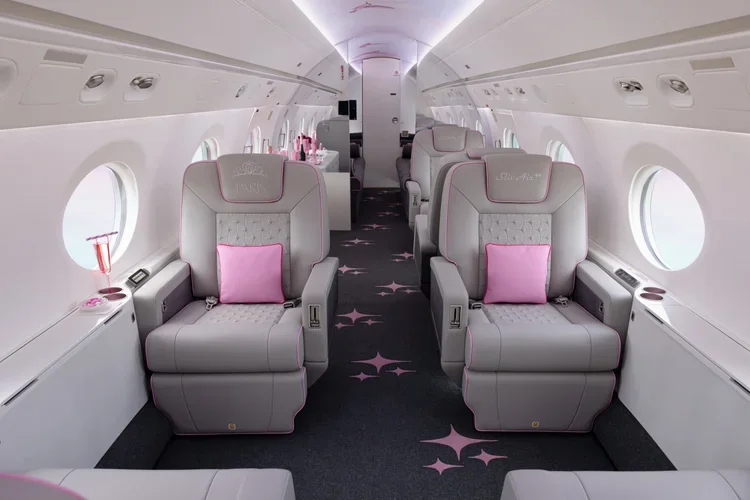
The evolution of private jet interior design has fundamentally shifted.
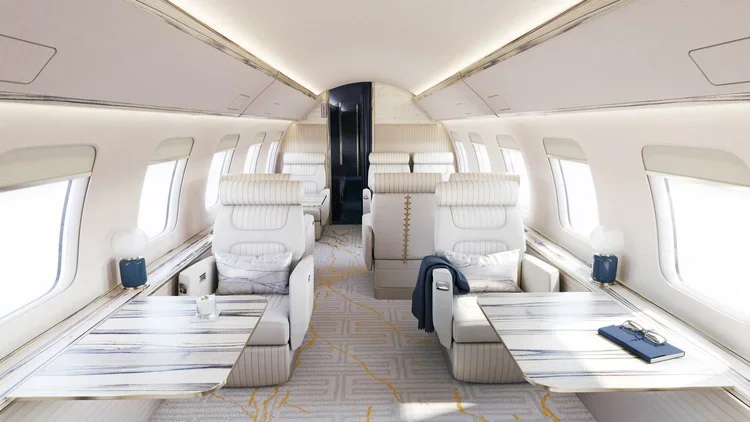
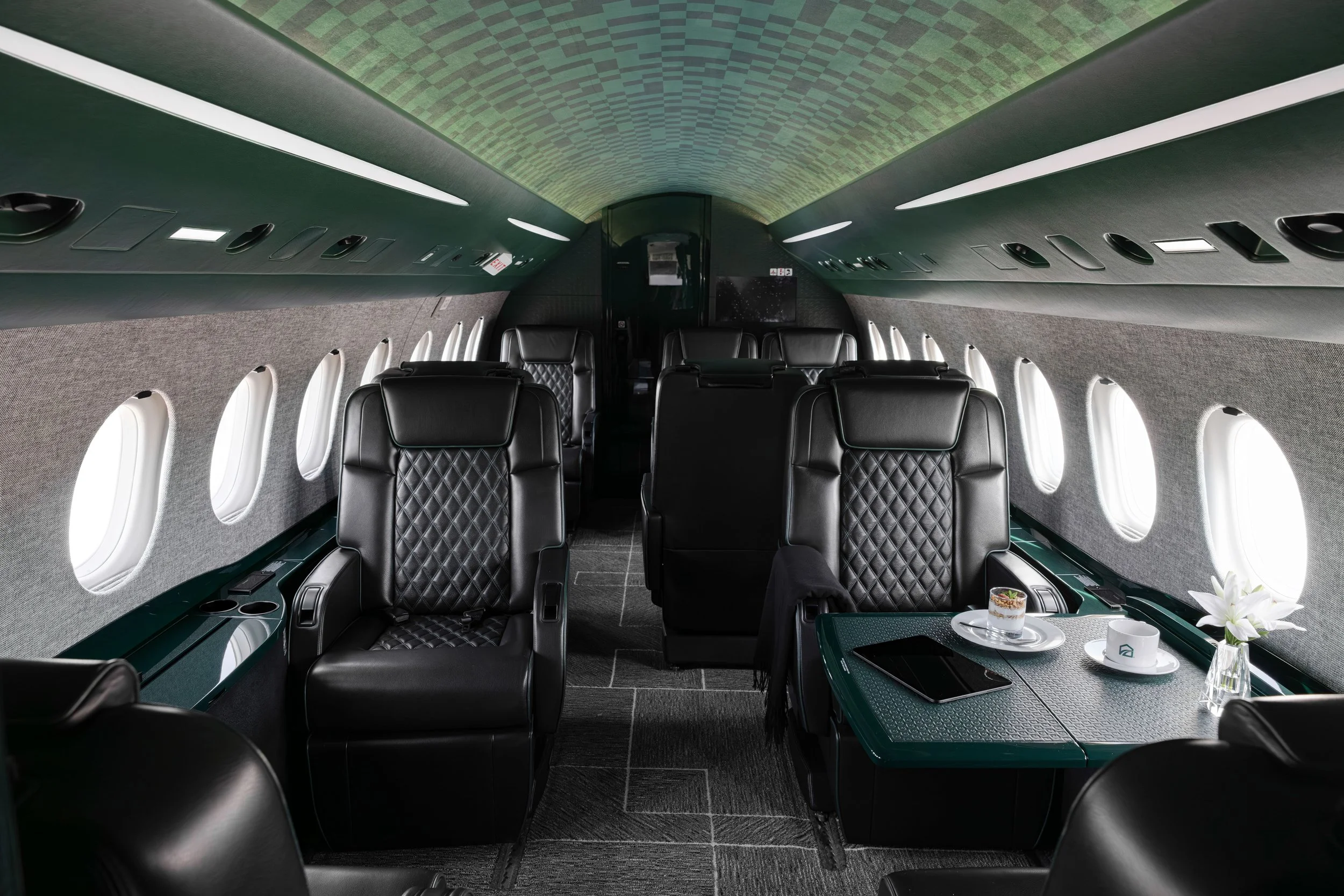
Cabins are no longer viewed simply as transport environments fitted with leather seats; they are crafted as holistic, high-altitude living sanctuaries where ergonomics, acoustic isolation, and architectural sophistication converge. As ultra-high-net-worth individuals (UHNWIs) and corporate flight departments expand their long-range operational footprints, the demand for sophisticated cabin environments has reached unprecedented levels.
According to market research published by Dataintelo, the global luxury private jet market reached US$28.4 billion, propelled by record deliveries of large-cabin aircraft and aggressive fleet modernization programs. Owners and operators are investing heavily in bespoke private jet cabin refurbishments that deliver residential comfort without compromising the rigorous weight and airworthiness standards required for intercontinental transit.

The Intersection of Ergonomics, Acoustic Quiet, and Wellness Technology
Modern private jet design focuses heavily on passenger well-being during multi-leg flights. Extended hours spent in low-humidity, pressurized environments create physical fatigue that intelligent design actively works to mitigate.
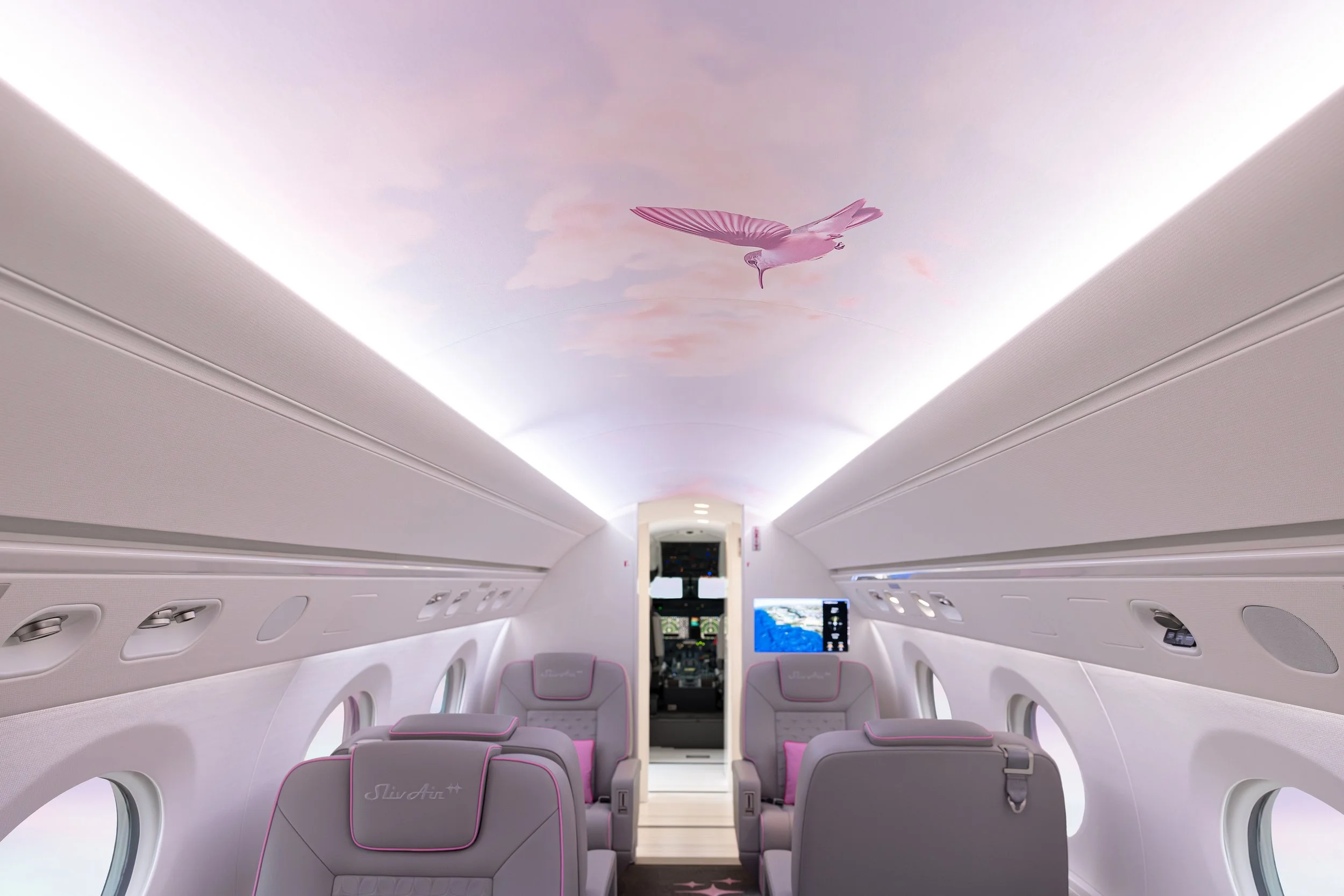
According to a technical cabin overview from Simple Flying, cabin pressurization in state-of-the-art aircraft is now maintained at significantly lower equivalent altitudes (frequently between 3,000 and 4,000 feet compared to traditional commercial standards of 8,000 feet), which dramatically lowers passenger exhaustion. To complement this, advanced VIP private jet design integrates multi-spectrum circadian lighting systems programmed to mirror the natural solar cycle of the arrival destination, helping harmonize biological rhythms before touchdown.
Acoustic insulation is another key frontier for a top private jet designer. High-density acoustic dampening materials and engineered vibration-isolation mounts reduce cabin sound profiles to whisper-quiet levels, allowing uninterrupted sleep or confidential executive briefings.
Material Innovation Meets Stringent FAA Standards
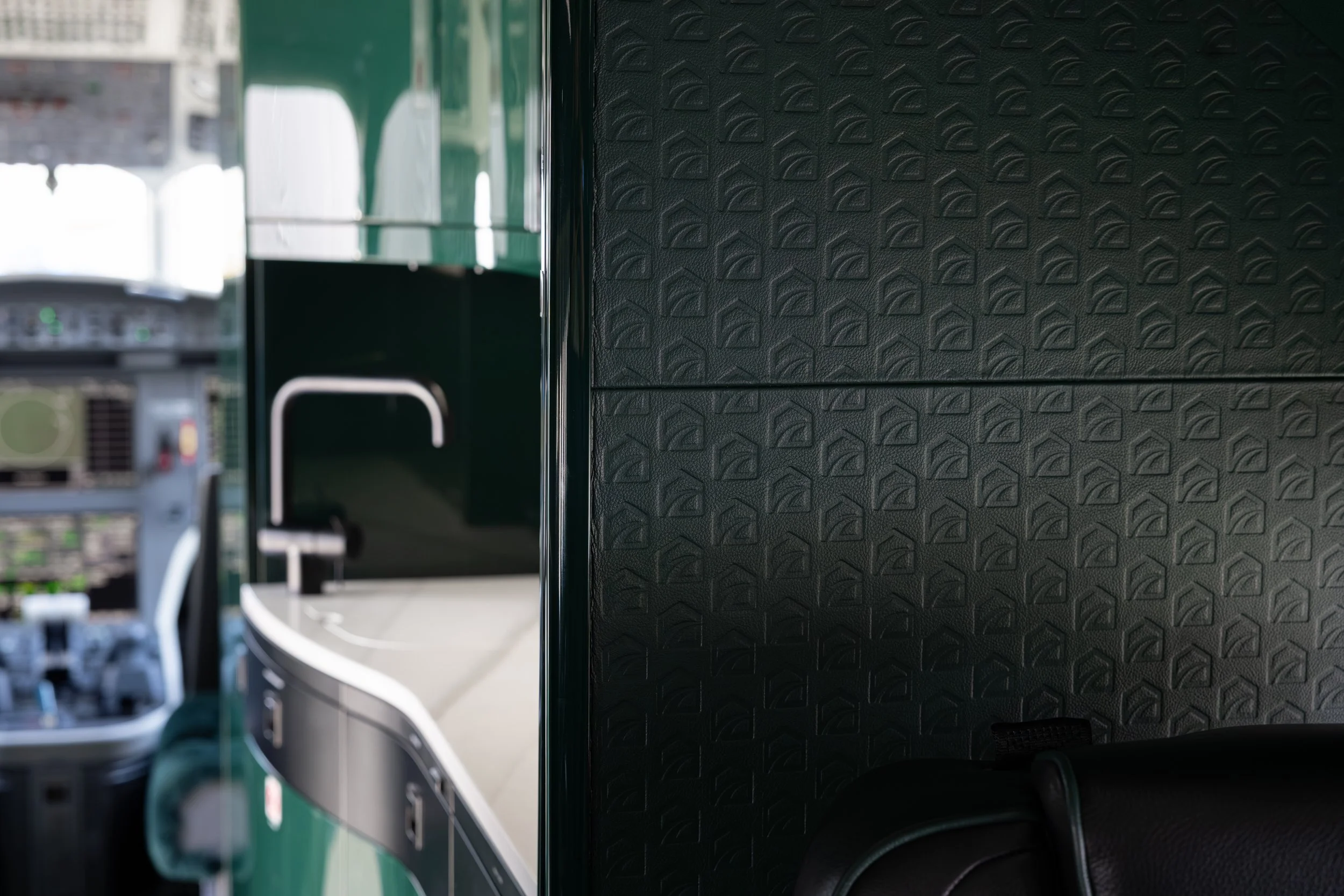
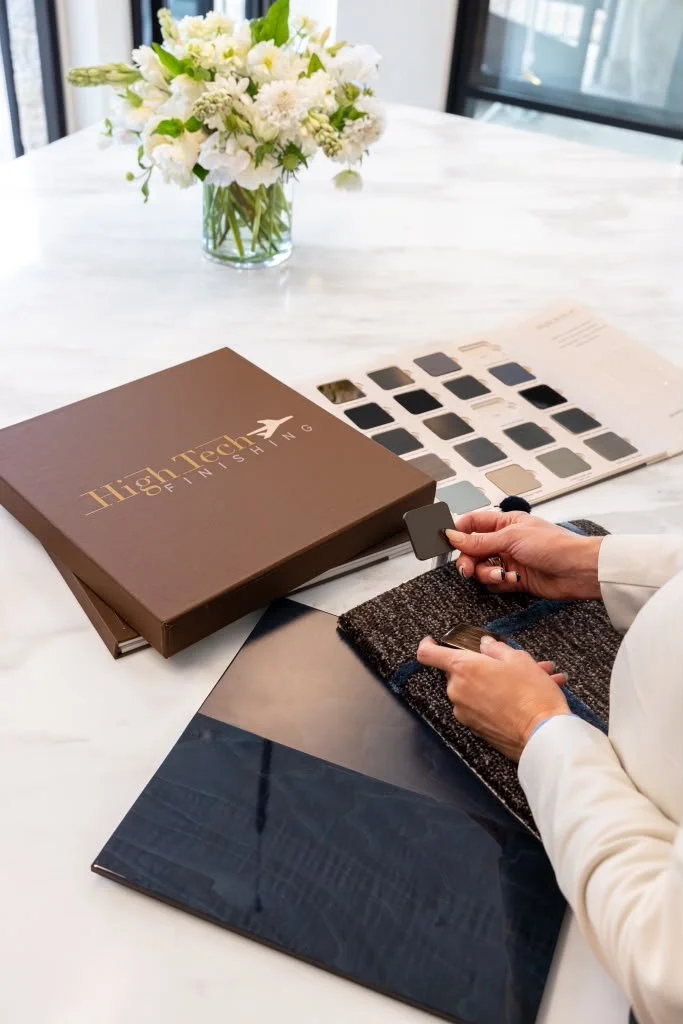
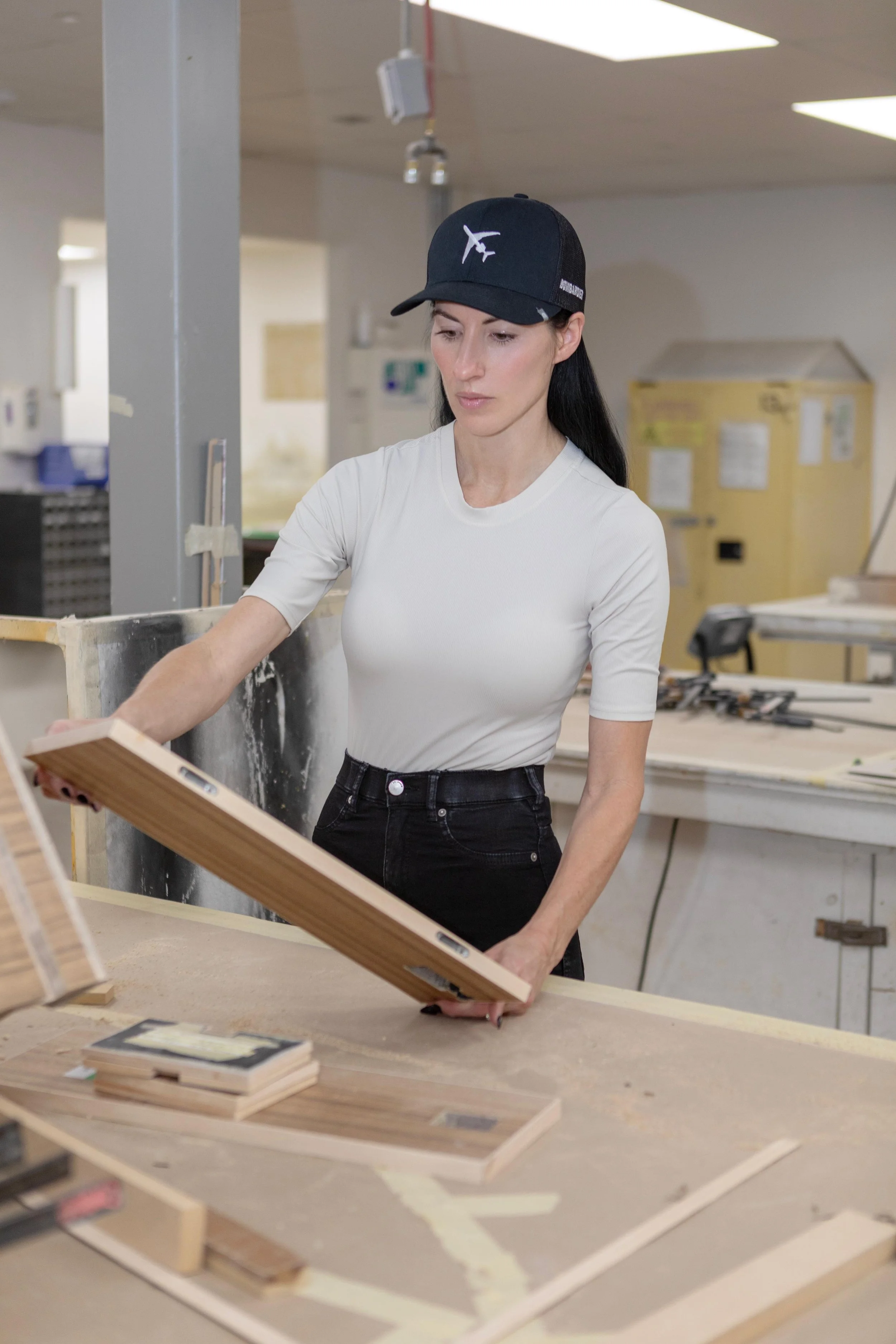
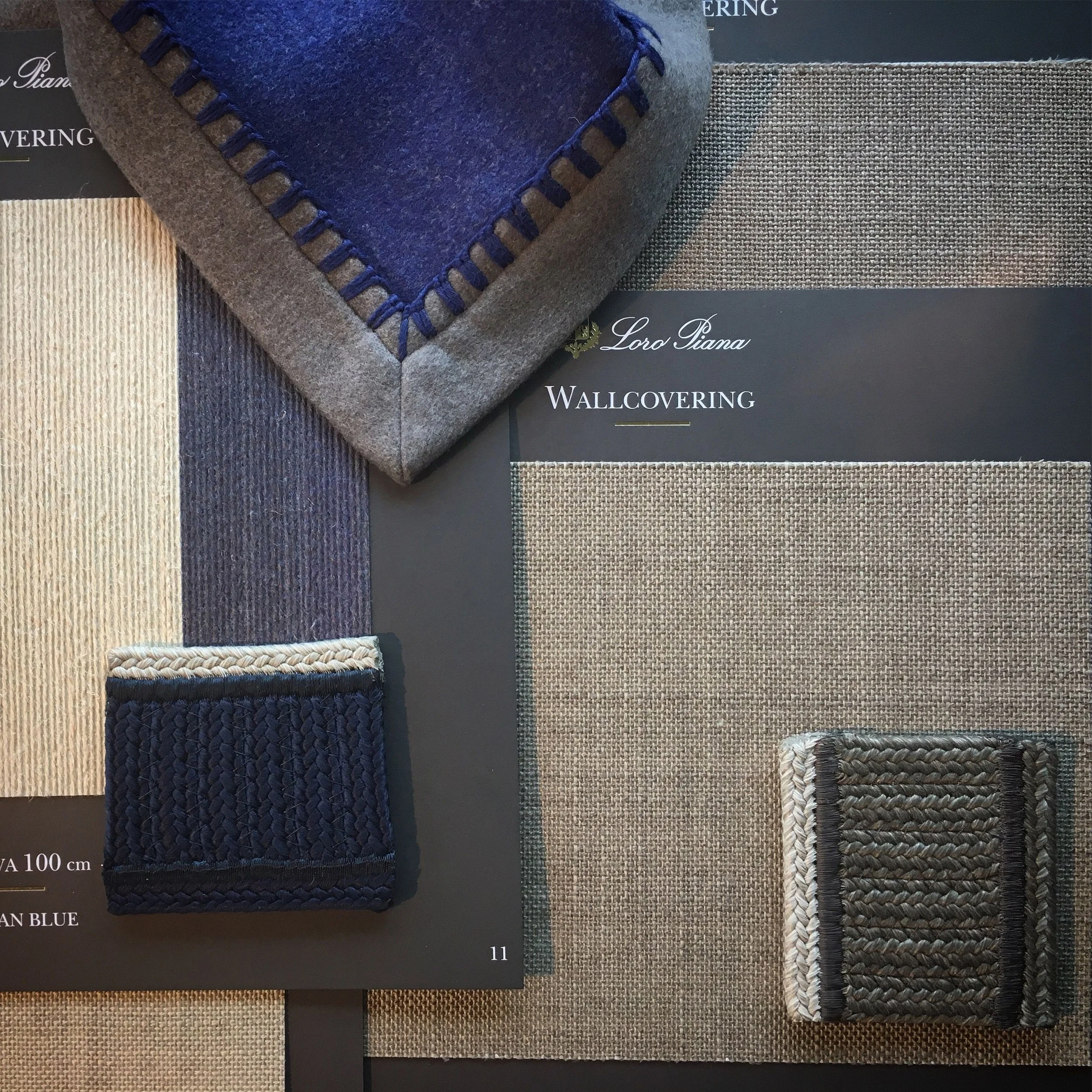
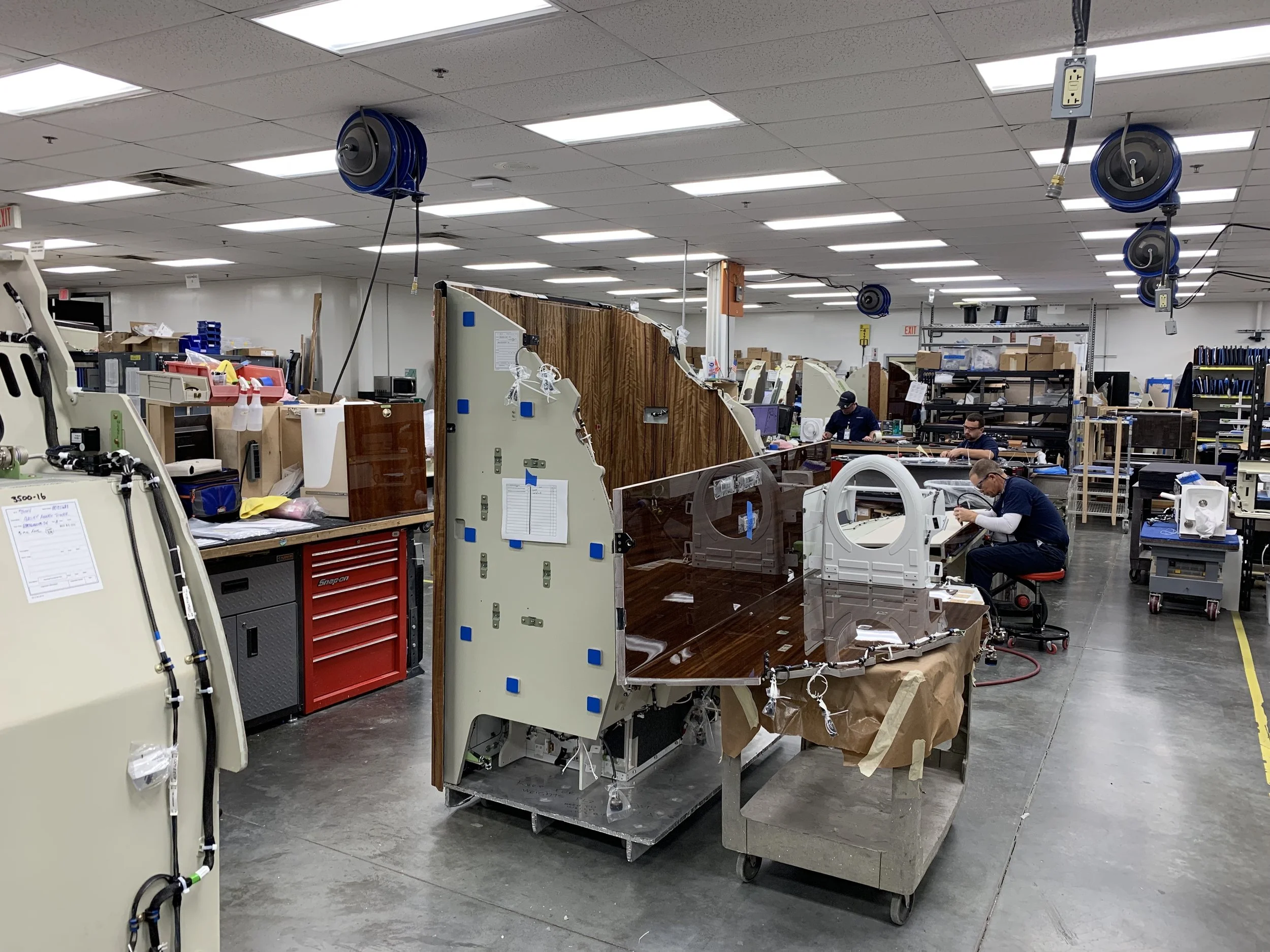
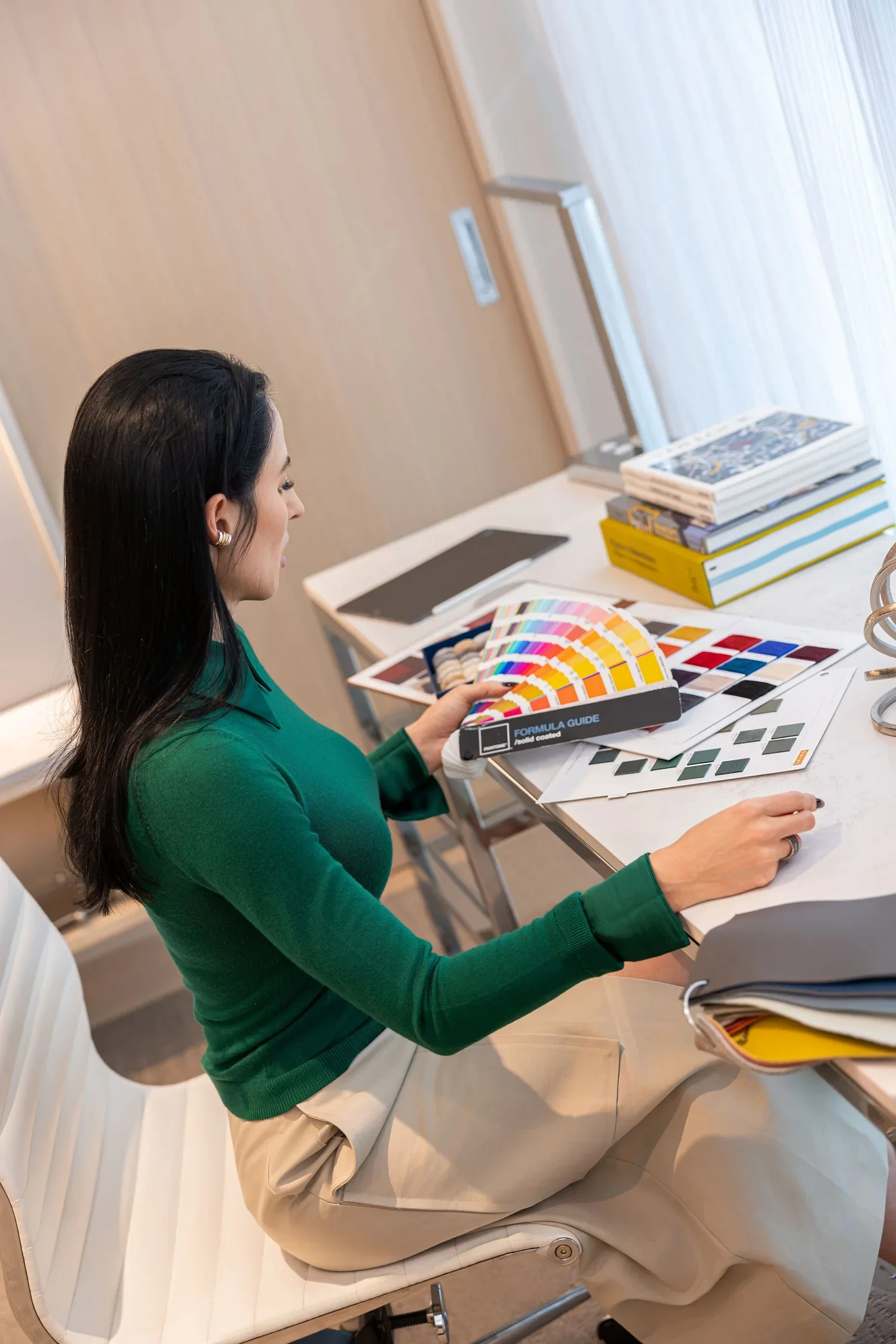
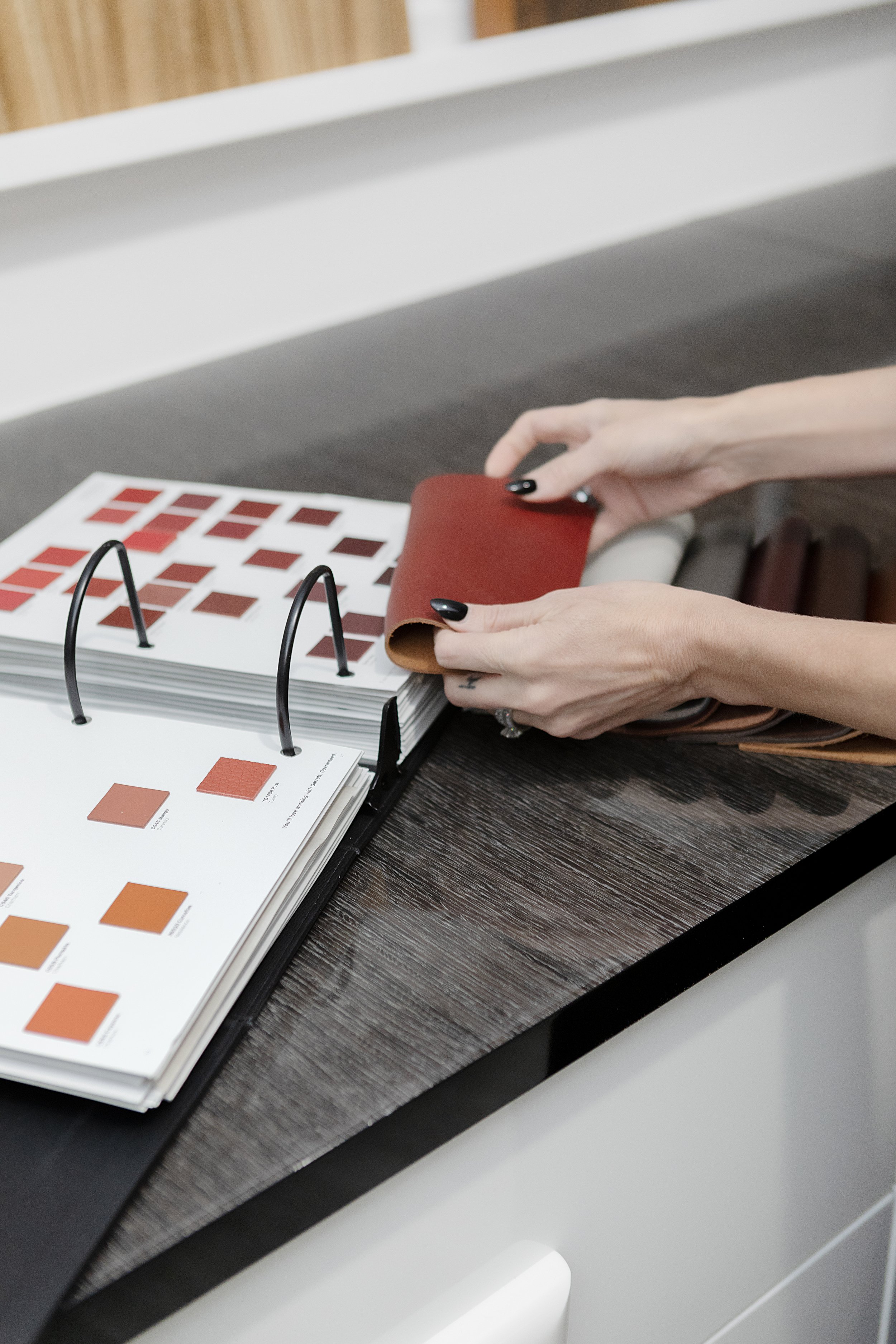
Selecting materials for bespoke jet interiors requires balancing tactile elegance with non-negotiable safety mandates. Every fabric, wood veneer, hide, and composite installed in an aircraft cabin must strictly satisfy burn testing and structural integrity parameters established under FAA compliance protocols.
According to material data from Jet Cabin Freshbook Magazine, while handcrafted leather remains a staple in private jet interior design, performance-woven textiles and sustainable eco-leathers are rapidly capturing market share. These technical textiles offer exceptional stain resistance and reduced weight, directly contributing to improved fuel efficiency on ultra-long-range flights connecting Western hubs to emerging infrastructure centers across the Asia-Pacific region and others.
Flameproofing is now seamlessly integrated into the tanning and fabrication processes, ensuring long-term FAA airworthiness without stiffening natural fibers or dulling surface lusters.
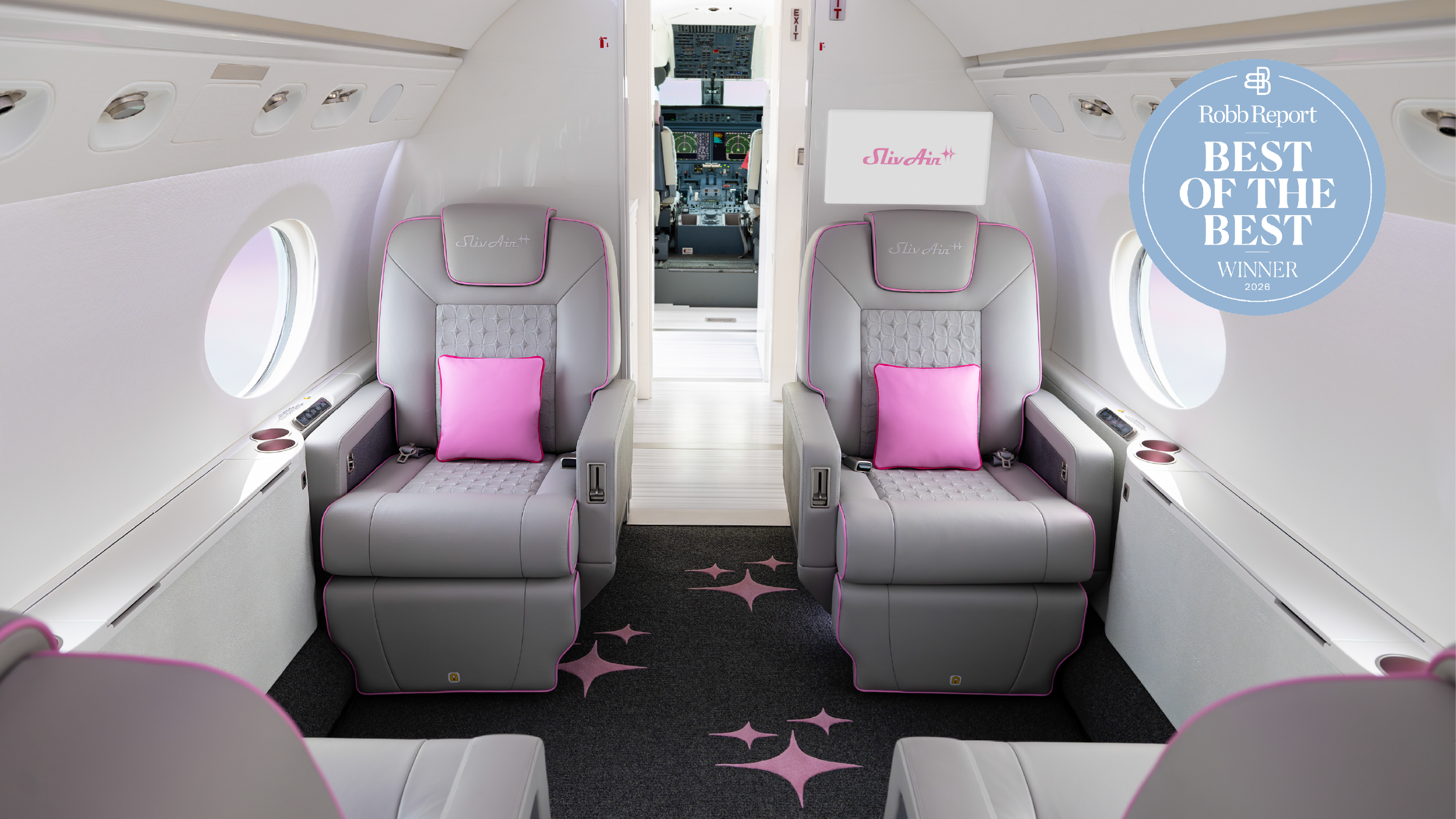
“A truly successful cabin configuration bridges artistic expression with aircraft design engineering, ensuring every detail, up to the thread of stitching, complies with strict FAA safety standards while feeling effortlessly comfortable.”
This standard of technical execution is central to the philosophy at Sarah Larranaga Aviation Design. Recognized with Robb Report's Best of the Best award, founder Sarah Larranaga brings an elevated architectural approach to aircraft interior refurbishment, delivering tailored interior solutions that blend artistic vision with uncompromising compliance.

Crafting Multi-Zone Modular Spaces
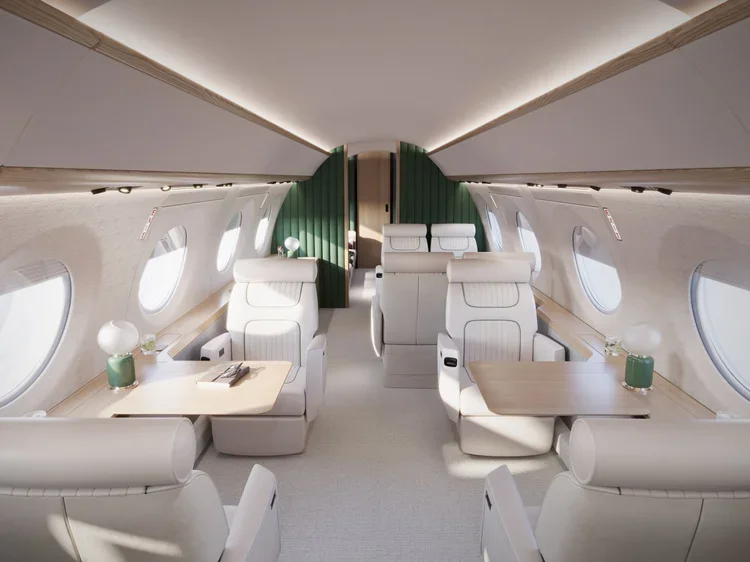
As private jets handle diverse operational missions, from corporate board meetings to family leisure trips, cabin layouts are increasingly structured into distinct functional zones.
According to completion management analysis from Camber Aviation Management, successful aircraft interior projects prioritize program management and spatial workflow early in the concept stage, ensuring that lighting, HVAC vents, and inflight entertainment controls match the physical seating layout seamlessly.
Common modular cabin configurations include:
Executive Boardrooms: Equipped with expandable conference tables, integrated satellite communications, and high-definition monitors for uninterrupted work.
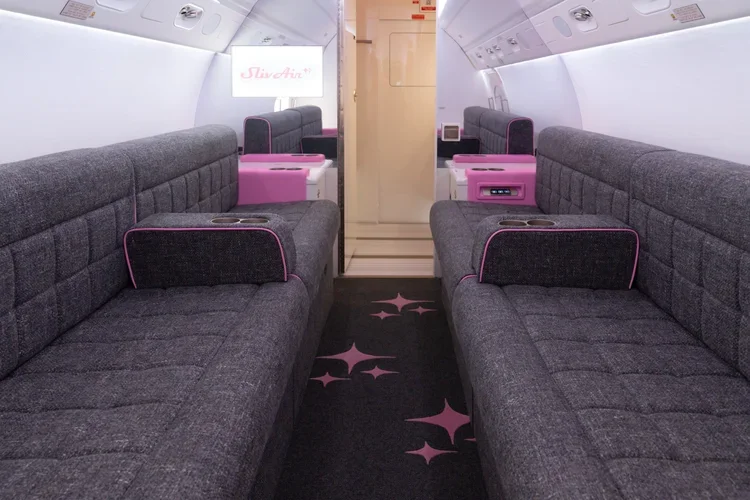
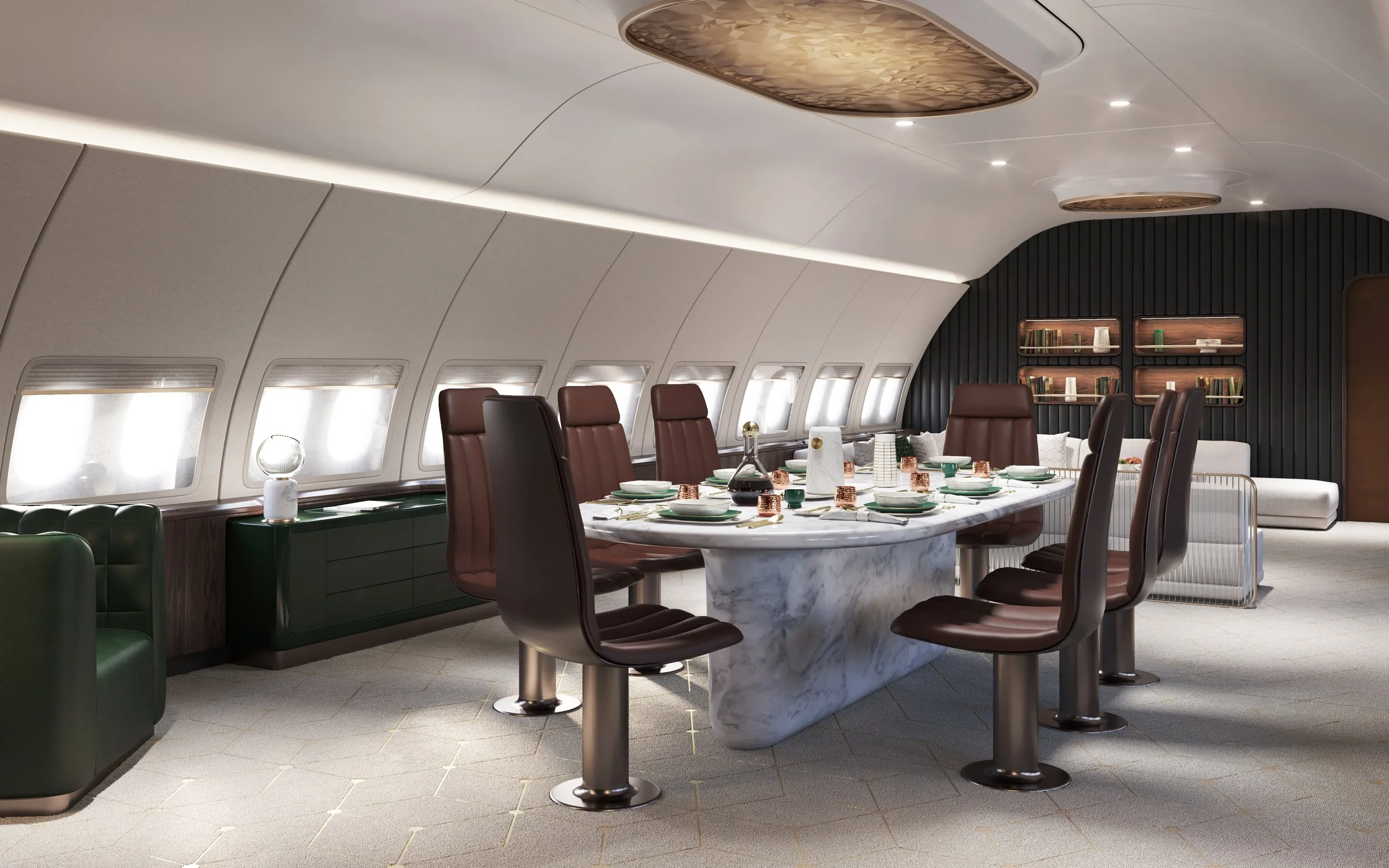
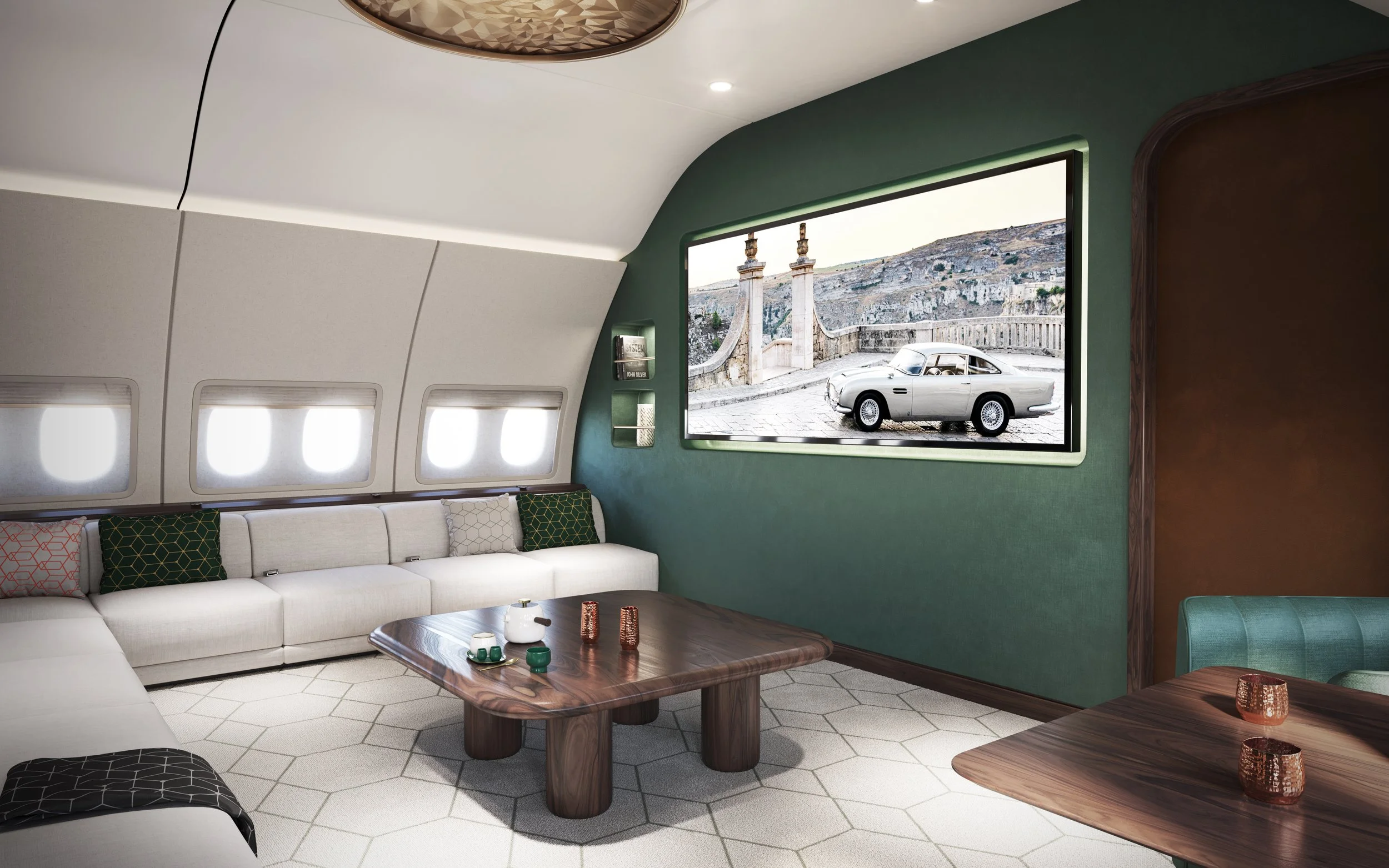
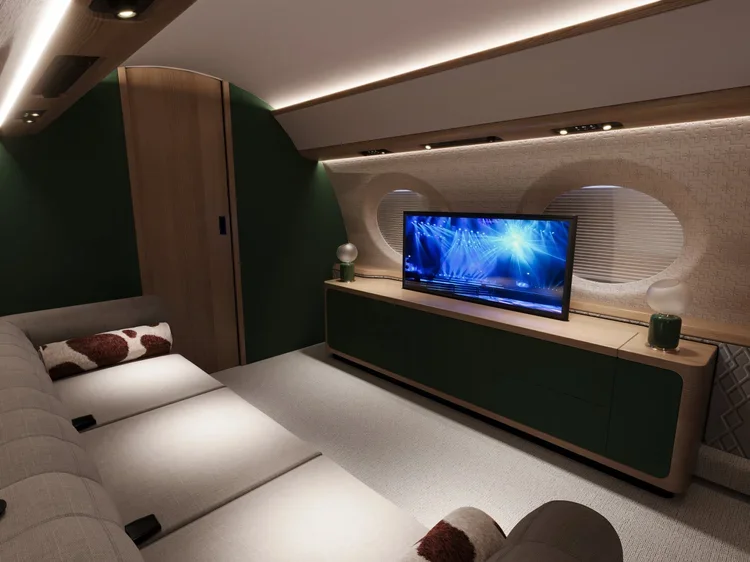
Private Dining & Lounge Areas: Featuring plush divans, ambient dining setups, and curated galley spaces designed for full-service inflight dining.
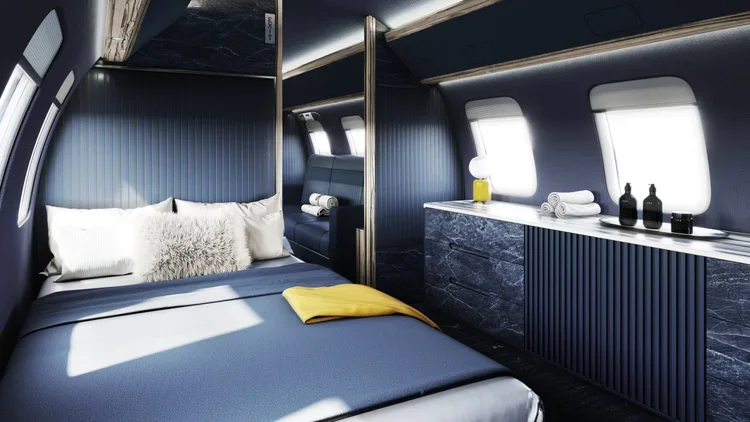
Dedicated Staterooms: Rear sanctuary suites complete with full-flat king beds, en-suite lavatories, and private pocket doors for complete isolation on overnight transpacific routes.
When consulting with an experienced aircraft designer, owners ensure that structural modifications, bulkhead placements, and weight distribution comply with original aircraft manufacturer envelopes while maximizing usable square footage.
Frequently Asked Questions
-
Private jet interior design is the specialized discipline of planning, engineering, and styling the interior cabin space of a private aircraft. It encompasses spatial layout, custom seating, lighting, acoustic insulation, material selection, and cabin management systems, all while adhering to strict federal or civil aviation airworthiness regulations.
-
The cost of refurbishing or designing a private jet interior varies depending on aircraft size and project scope. Minor soft-goods refurbishments (leather re-upholstery, carpeting, and minor touch-ups) on light to mid-size jets typically range from $200,000 to $500,000. Comprehensive cabin overhauls on large-cabin or ultra-long-range jets, involving custom cabinetry, layout reconfigurations, state-of-the-art avionics integration, and premium materials, generally range from $1.5 million to over $10 million.
-
A standard soft-goods refurbishment can be completed in 4 to 8 weeks during routine maintenance checks. However, a major interior overhaul involving layout modifications, structural engineering approvals, custom fabrication, and full FAA certification typically requires 3 to 9 months.
Don’t just fly, travel in a masterpiece. Sarah Larranaga Aviation Design specializes in turning private jets into highly personalized, luxurious retreats through world-class interior design and bespoke upgrades. Step into a new standard of aviation. Connect with us today to start your aircraft's transformation.