
Design Engineering in Private Jet Customization
Bridging Aesthetics, Supplemental Type Certificates, and Material Airworthiness in Aircraft Design
In modern business aviation, the boundary between pure interior aesthetic and aeronautical engineering does not exist. Every bespoke cabinet curve, custom textile pattern, and exterior livery application must pass rigorous certification filters before an aircraft receives an airworthiness clearance. For aircraft buyers, brokers, and maintenance repair organizations (MROs), understanding this intersection is crucial. A stunning design is only as viable as its ability to pass federal or civil aviation regulatory scrutiny without compromising aircraft range, balance, or structural safety.
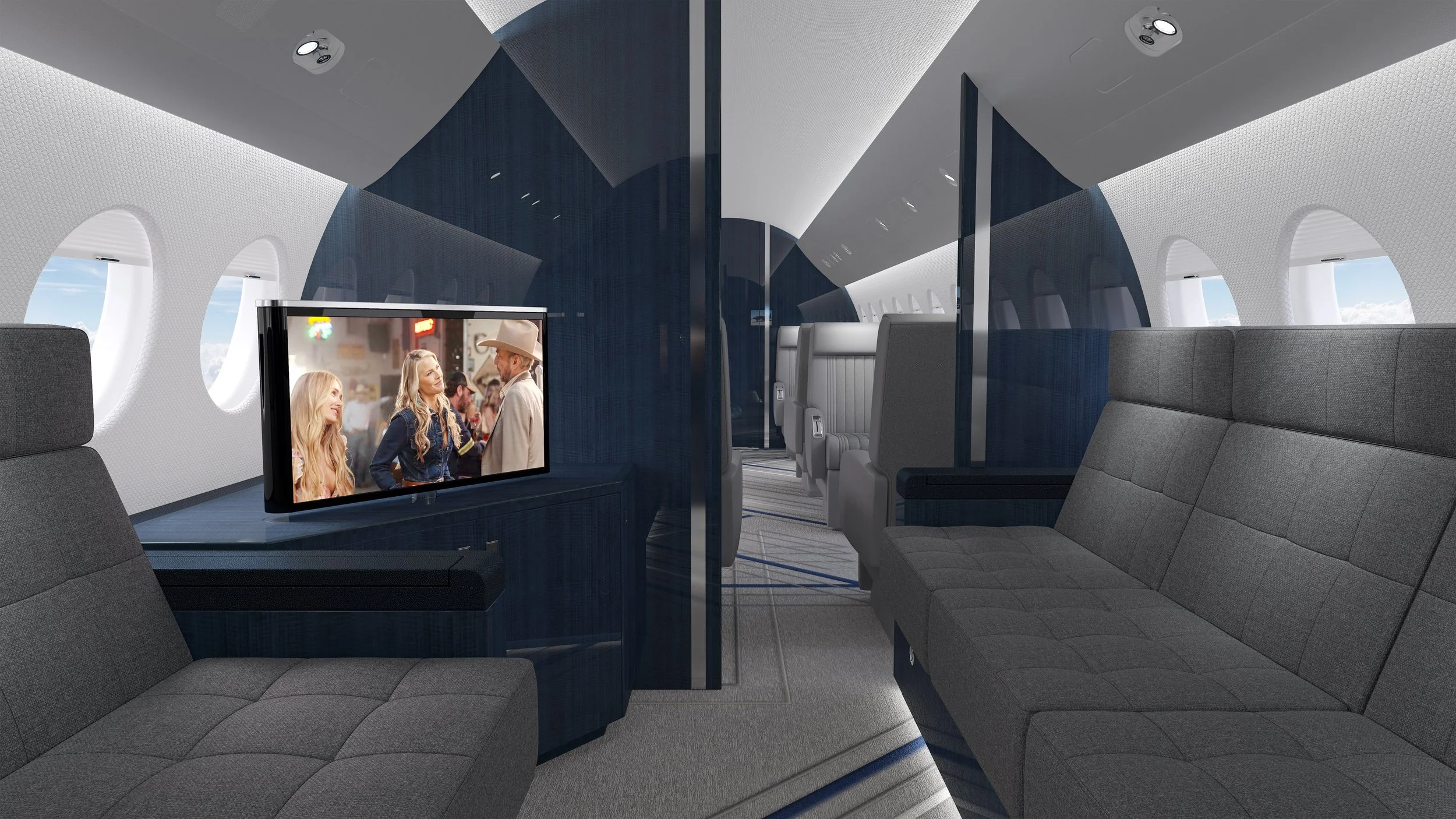
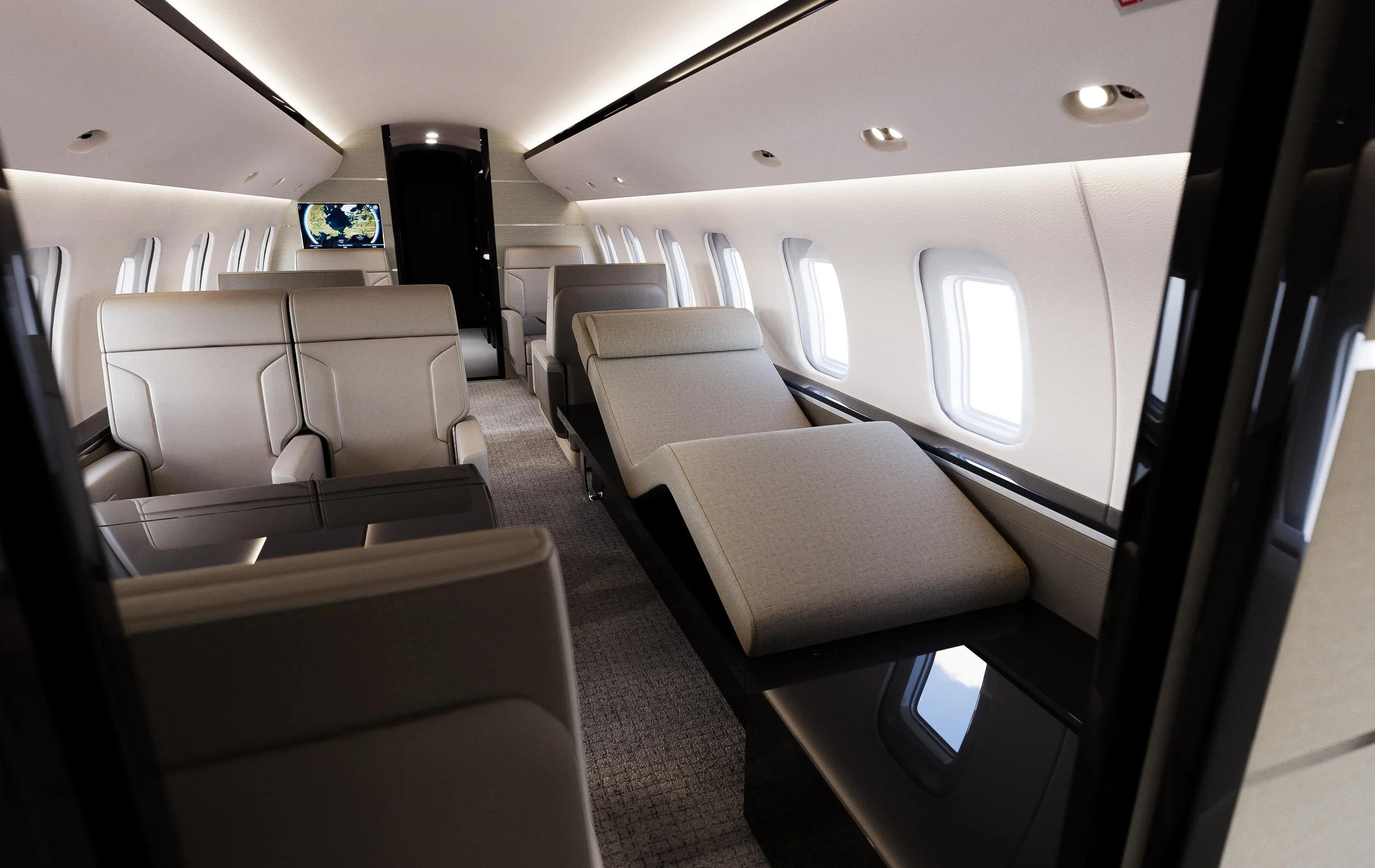
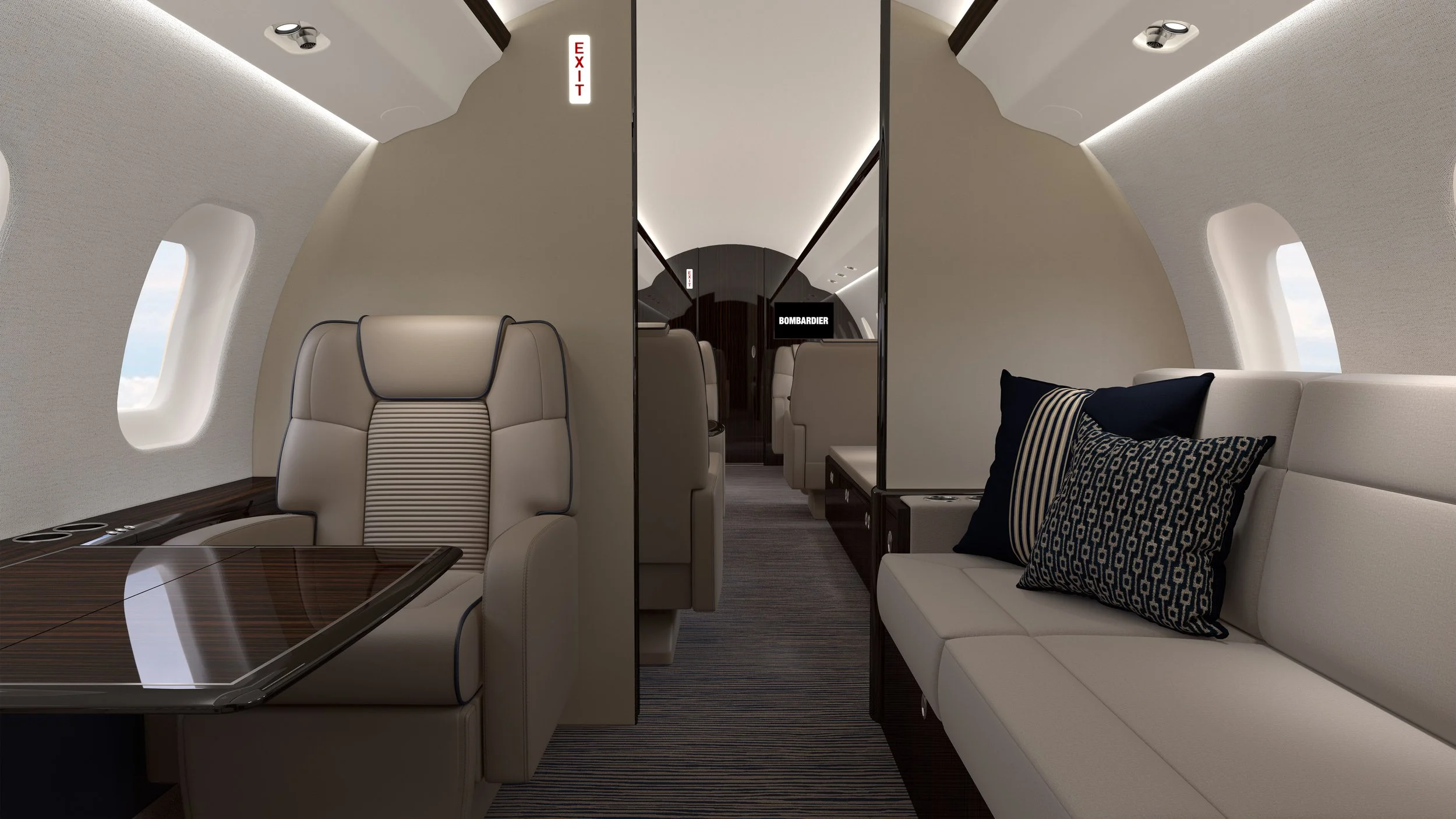
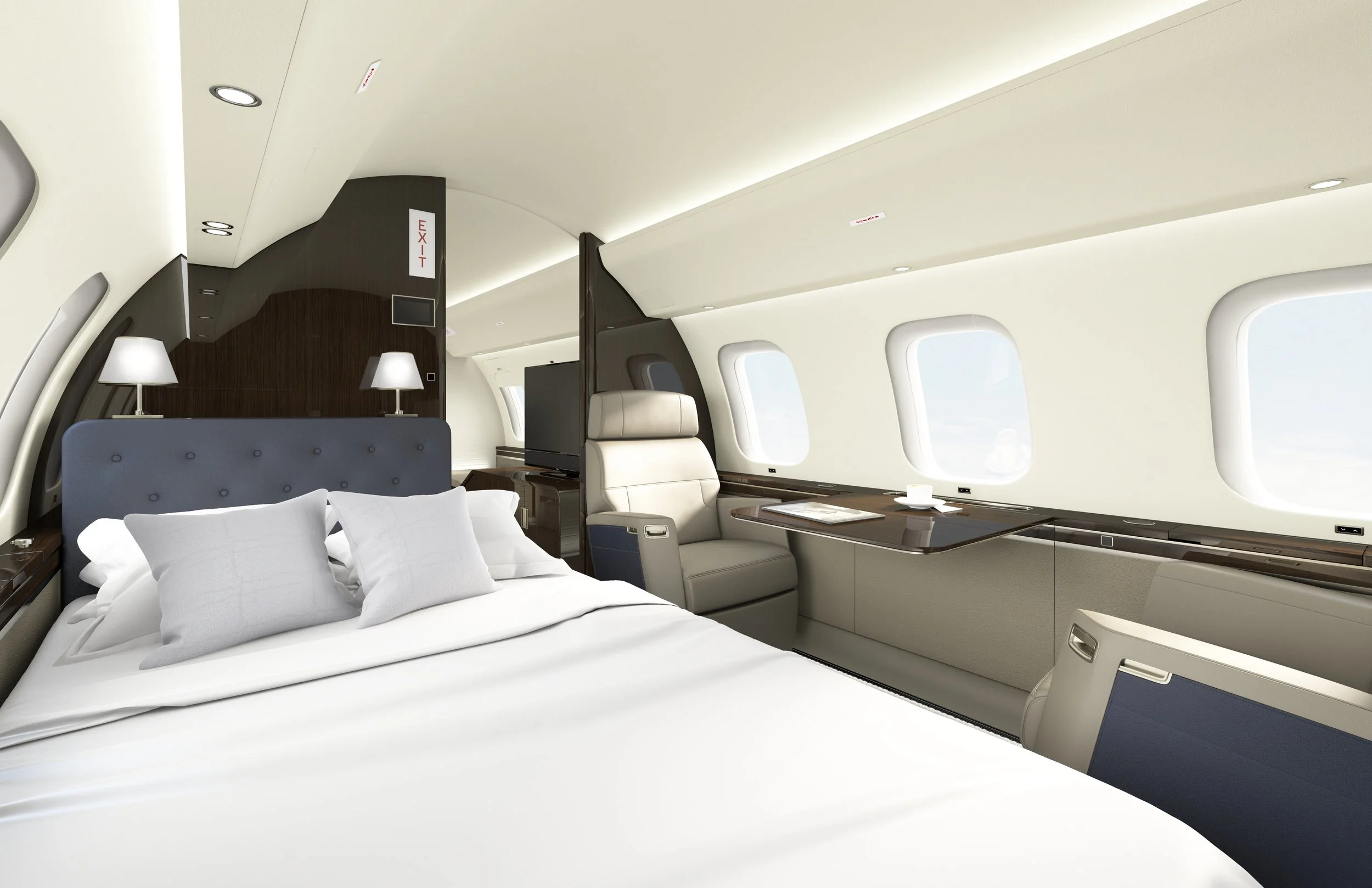
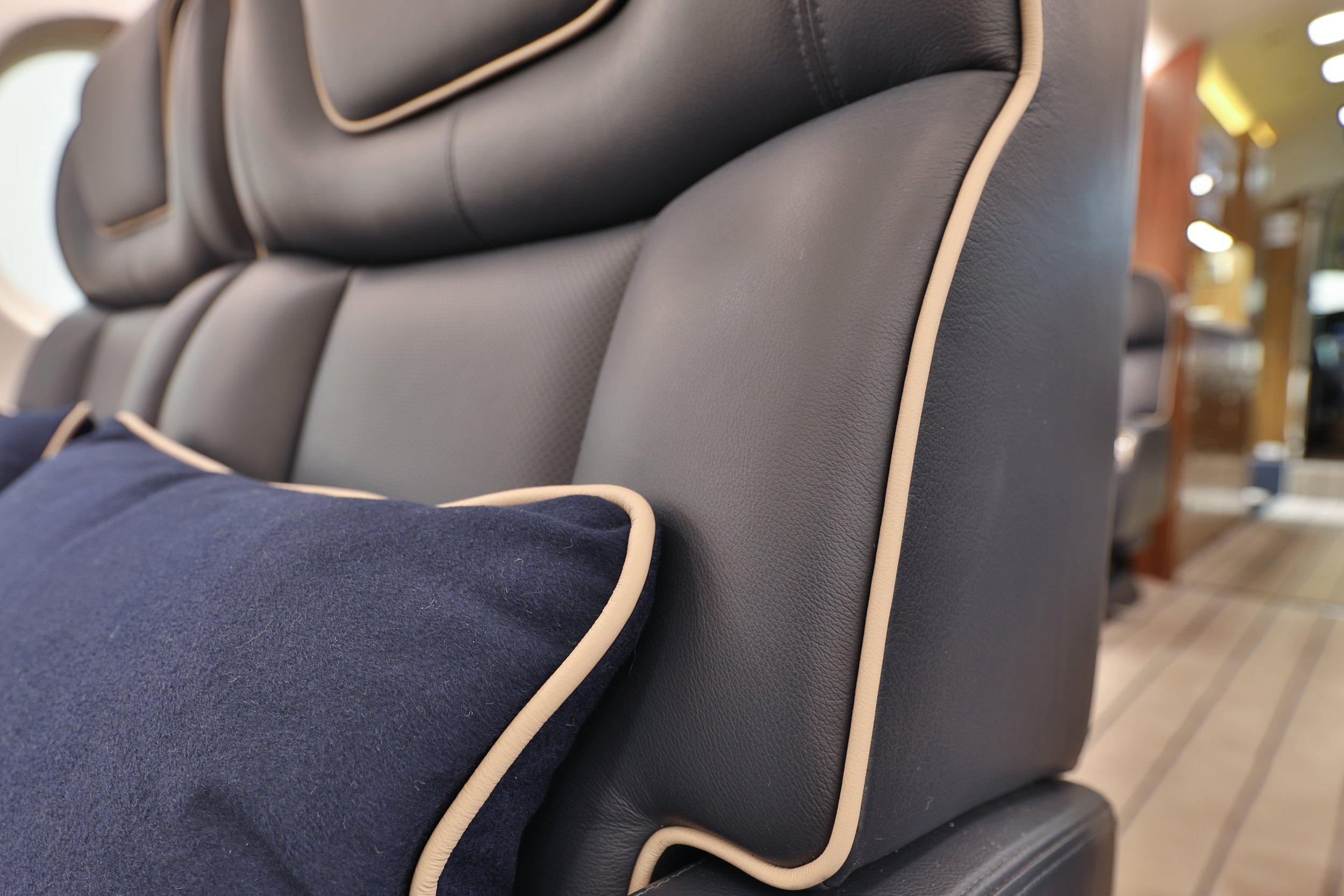
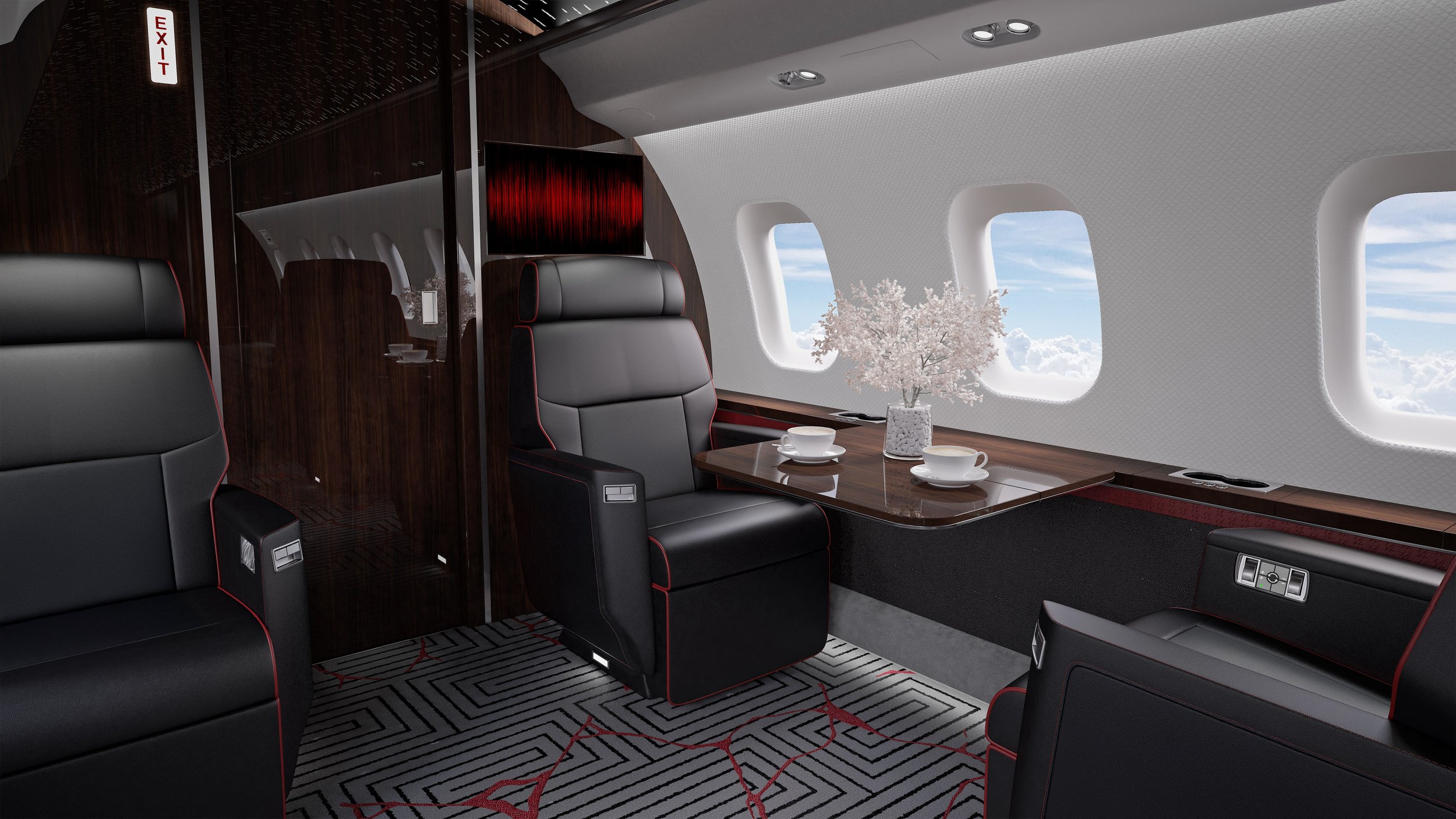
Executing bespoke aircraft customization requires navigating strict material burn certifications and structural weight distribution limits. According to an August 2026 aircraft interiors market update by Business Jet Interiors International, completion centers are increasingly prioritizing lightweight composite substrates and fire-retardant natural fibers to meet evolving safety mandates while preserving cabin elegance. Every custom material installed from hand-tufted silk-wool carpets to high-gloss wood veneers, must comply with stringent vertical burn testing under Federal Aviation Administration guidelines. Furthermore, structural modifications such as custom bulkheads or heavy monuments require dedicated Supplemental Type Certificates to verify that airframe stress tolerances remain fully intact.
Aircraft exterior customization demands an equally disciplined engineering approach. A custom paint scheme is far more than a visual statement; it directly influences aircraft aerodynamics, thermal management, and long-term surface protection. An August 2026 technical report by Fortune Business Insights notes that advanced ceramic clear coats and solar-reflective paint formulations are gaining rapid traction across corporate fleets. These systems reduce ground-cooling energy loads and drag penalties, proving that precision exterior execution protects both operational efficiency and airframe asset value.
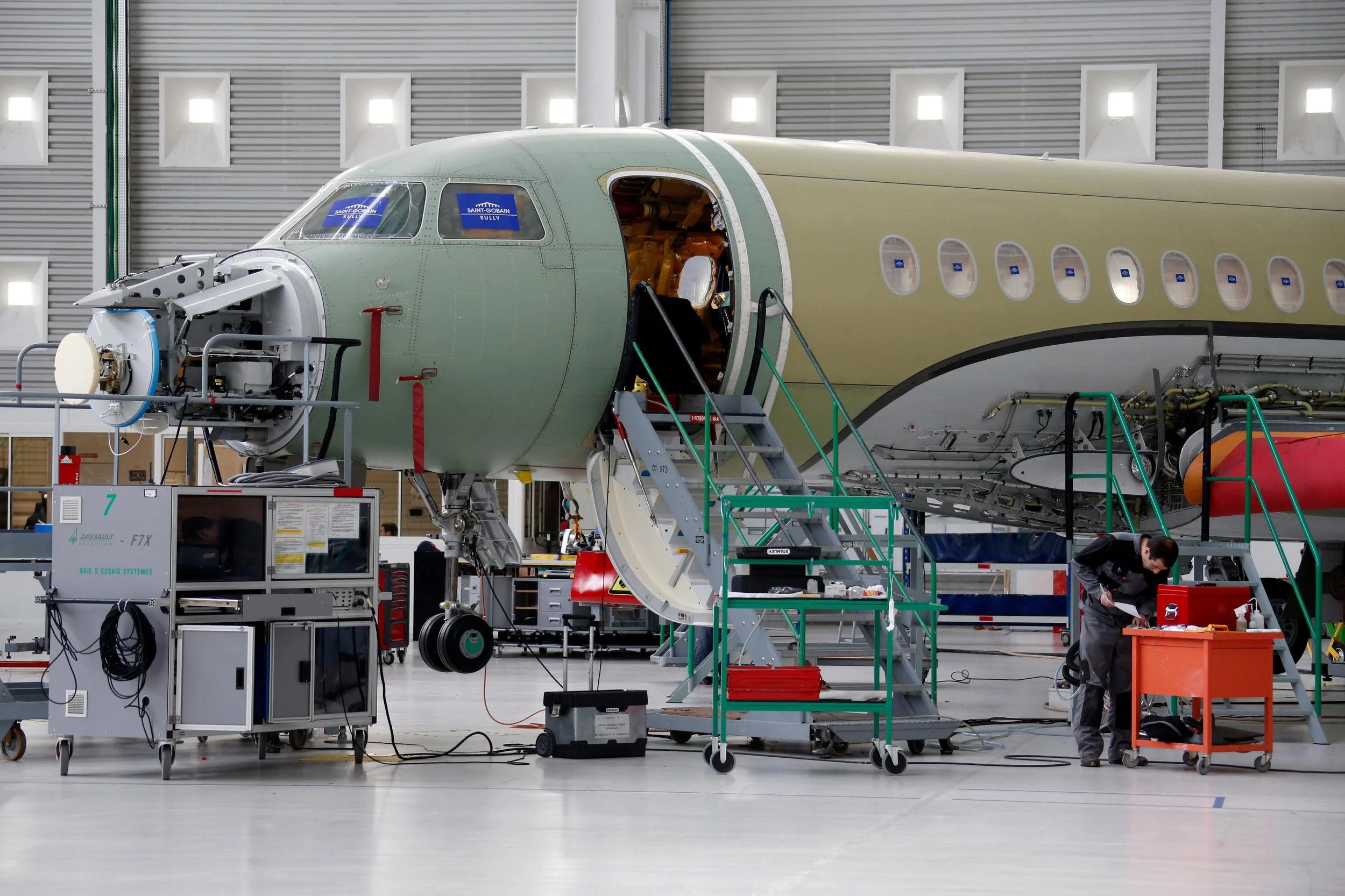
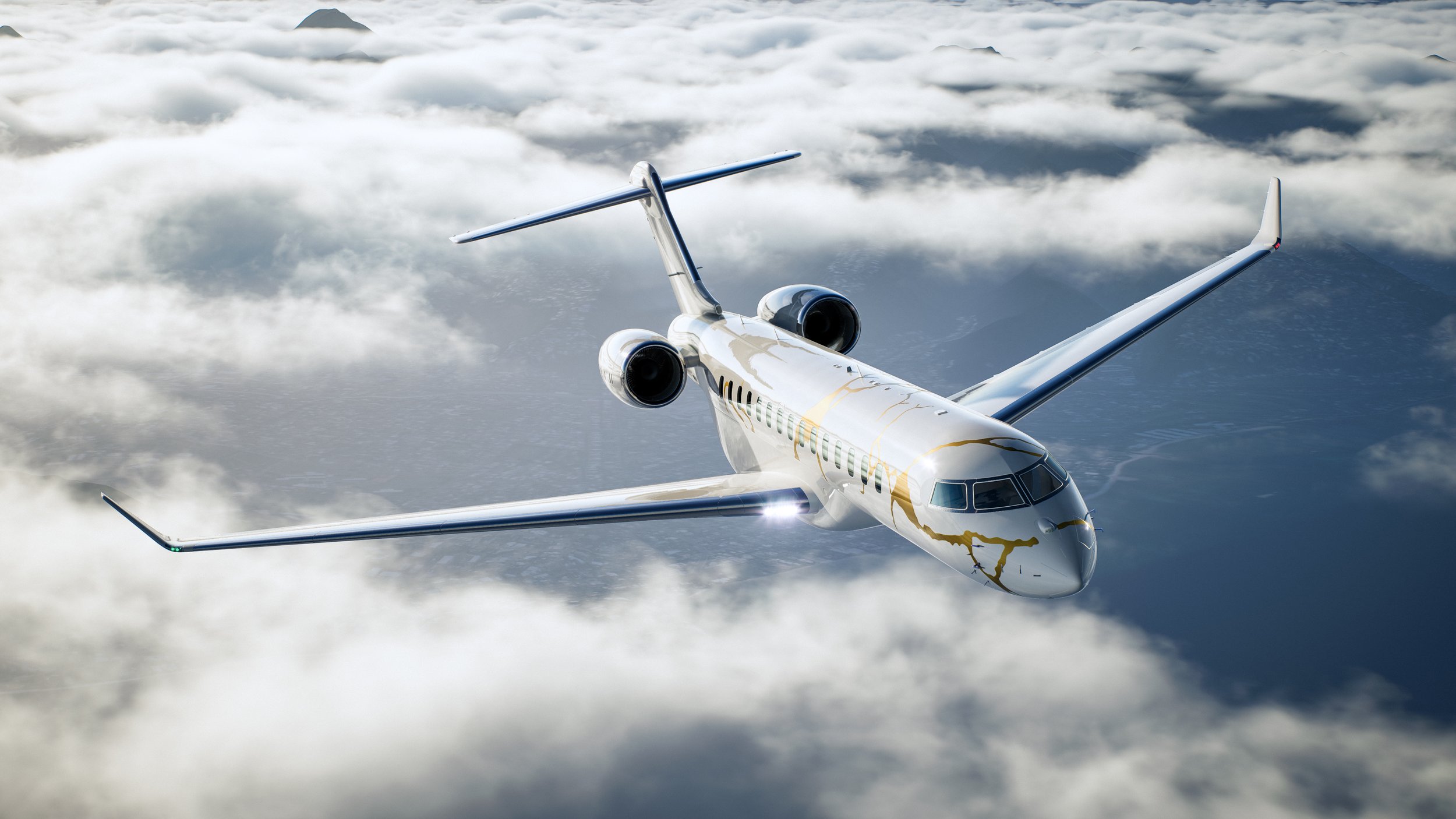
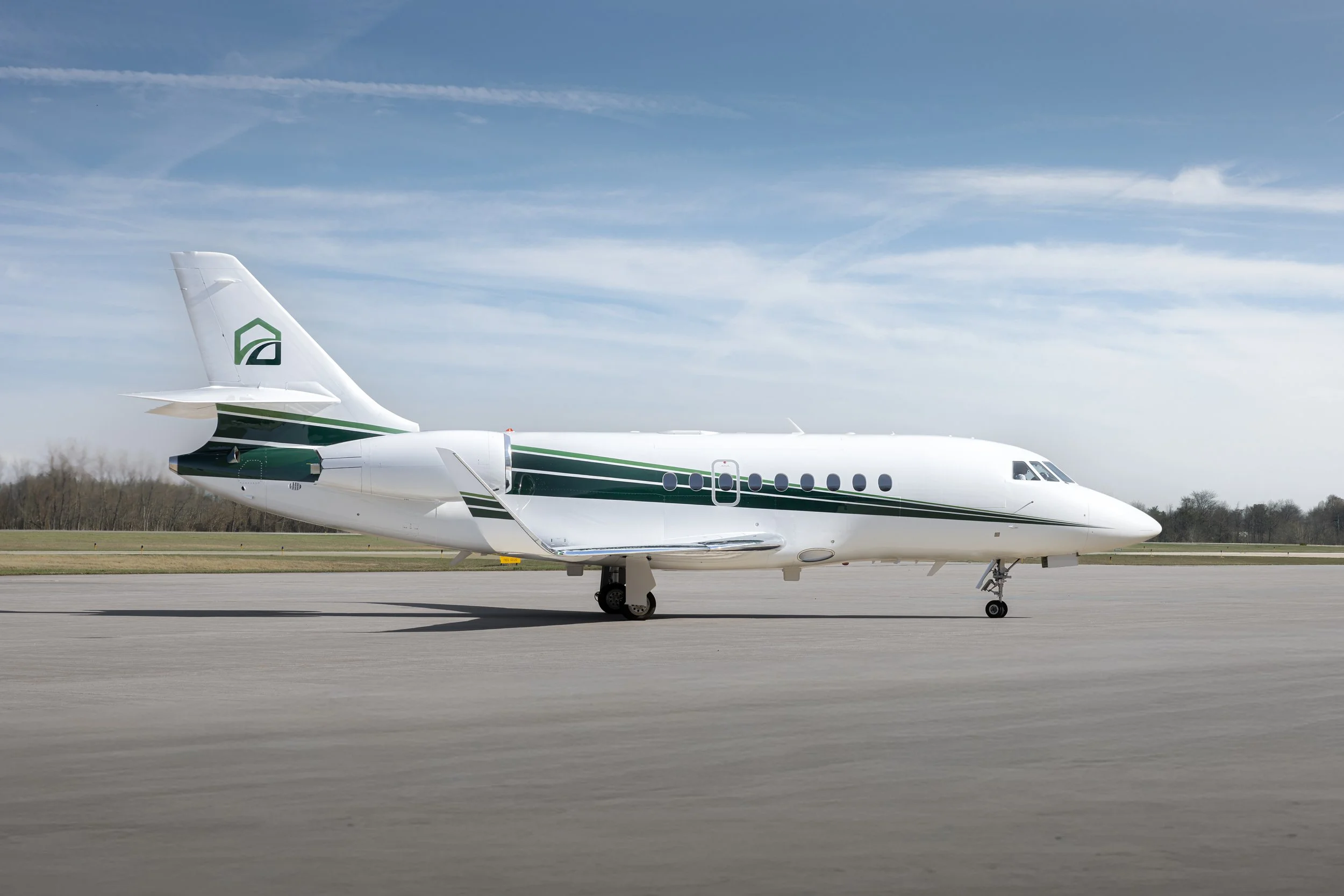
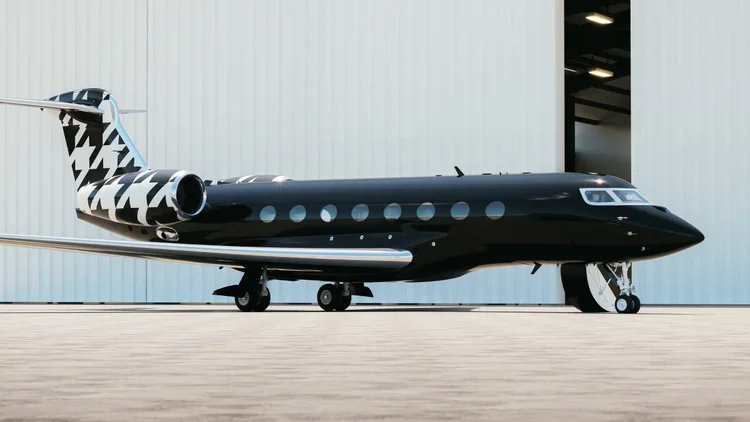
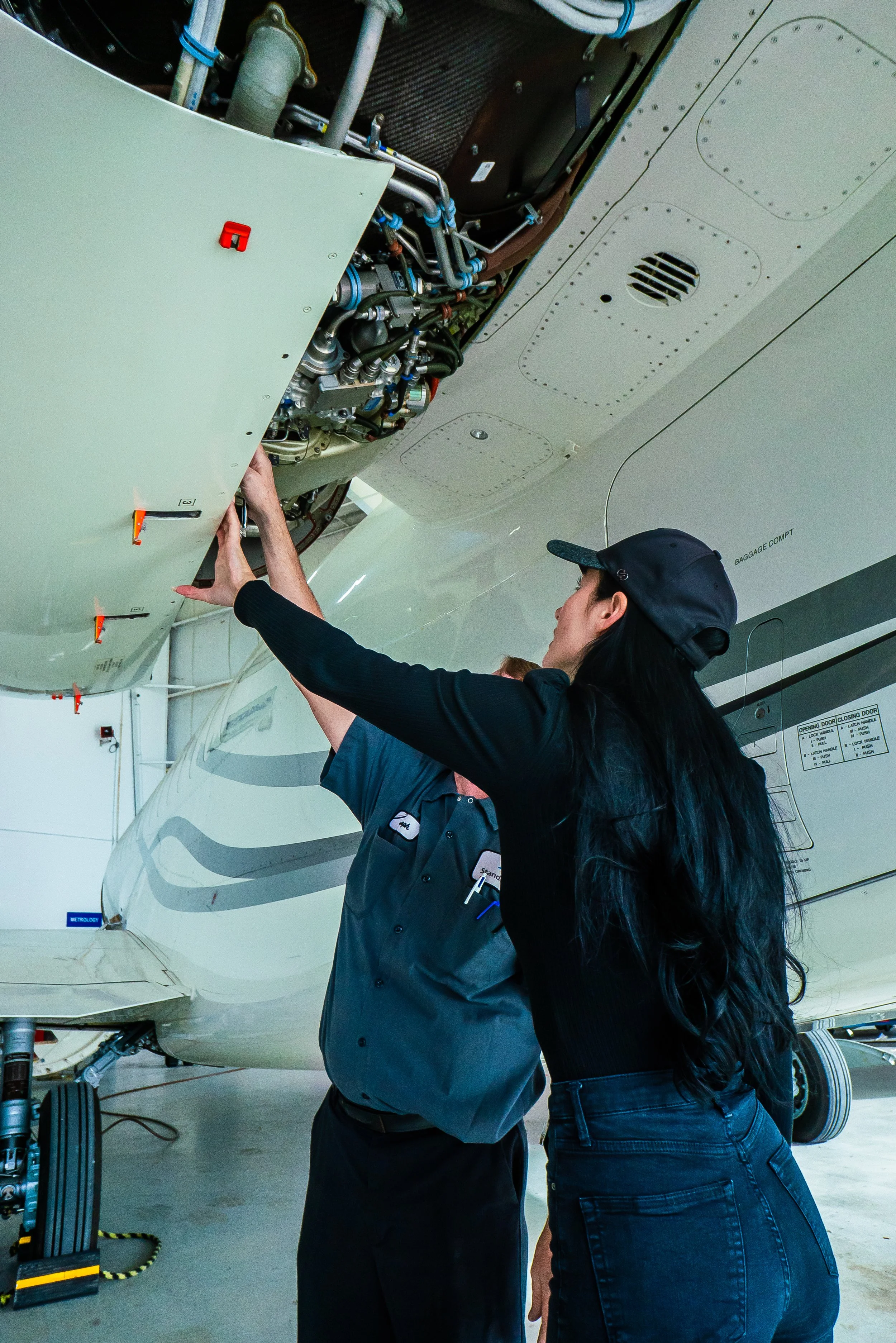
Navigating this delicate balance demands a holistic approach to aircraft modification. Bringing nearly two decades of aircraft design engineering background to every project, Sarah Larranaga approaches customization through the lens of systems engineering. Honored among the best of the best in aviation by Robb Report, her work integrates spatial ergonomics, structural compliance, and performance-minded liveries to elevate both passenger experience and long-term asset value.
Connect with Sarah Larranaga
Whether you are planning a comprehensive cabin completion, an exterior livery redesign, or seeking technical guidance on navigating federal or civil aviation compliance for an upcoming refurbishment, work directly with an established industry principal. Contact Sarah Larranaga Aviation Design to discuss your aircraft customization, value protection, and design engineering inquiries.