
Design Engineering for VIP Airliners
Navigating Spatial Zoning, Weight Distribution, and Structural Airworthiness on VIP Airliner Platforms

Boeing 787 Dreamliner by Sarah Larranaga in collaboration with Christopher Nobles
Converting commercial airliner airframes into tailored flying residences represents the absolute pinnacle of private aviation modification. For heads of state, corporate entities, and ultra-high-net-worth individuals, platforms like the Boeing Business Jet (BBJ) and Airbus Corporate Jet (ACJ) series offer unmatched interior volume, transoceanic range, and spatial versatility. However, outfitting a widebody or narrowbody airliner platform demands a fundamental shift from traditional business jet styling to complex structural design engineering. Designing a private airliner cabin with dedicated master staterooms, full-service galleys, dining areas, and conference suites requires balancing residential luxury with strict federal or civil aviation airworthiness mandates.
Managing structural payload and center-of-gravity parameters is one of the most critical challenges during an ultra-large cabin completion. A July 2026 completion industry analysis by Aviation International News reports a pronounced shift toward next-generation widebody platforms, with completion centers managing unprecedented demand for VIP airliner aircraft installations. The study highlights that integrating heavy interior monuments, such as full-enclosure master suites, stone-clad lavatories, and soundproof conference bulkheads requires advanced weight mitigation. Replacing traditional cabinetry cores with lightweight composite honeycomb structures allows an aircraft designer to deliver luxurious residential environments without compromising flight range or fuel performance.
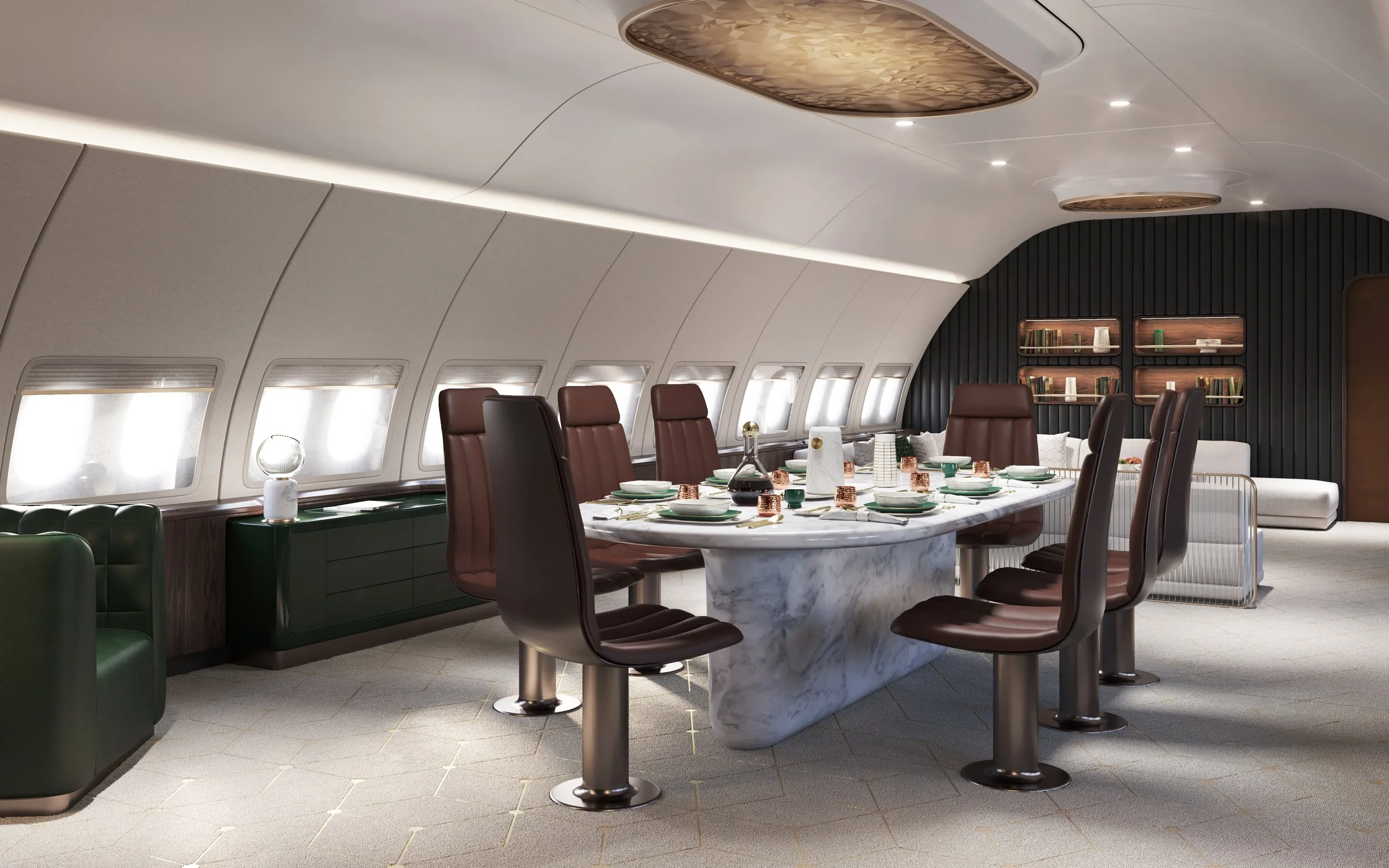
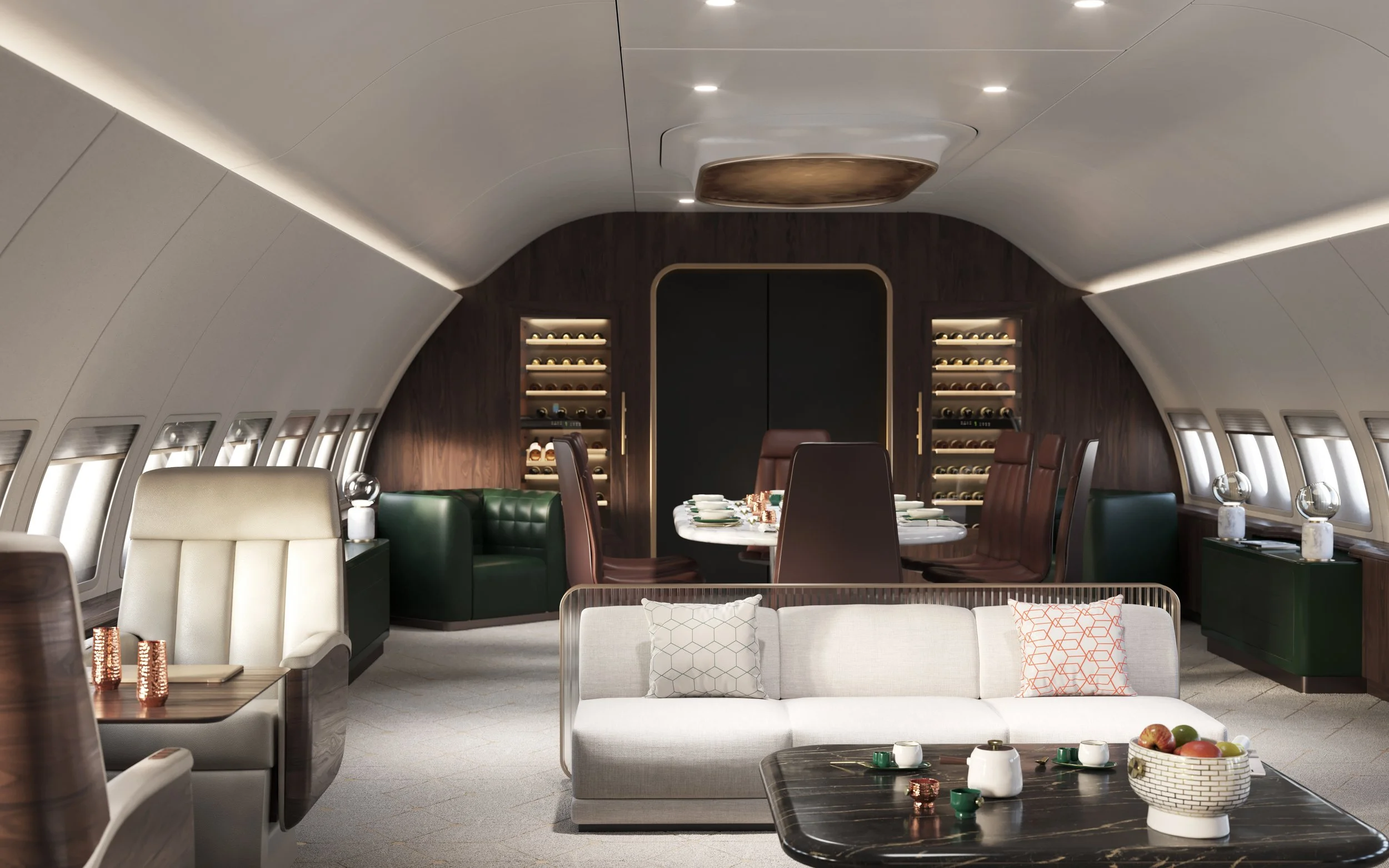
Designing bespoke Boeing Business Jet and Airbus Corporate Jet cabins also involves navigating complex structural certifications and regulatory compliance. Every custom partition, custom seating group, and bulkhead must comply with stringent Supplemental Type Certificate (STC) guidelines, emergency evacuation path requirements, and flammability certifications. Furthermore, structural integration must accommodate airframe flex and acoustic dampening, keeping noise levels low throughout long-haul flights. Aligning VIP private jet design concepts with strict airworthiness requirements prevents costly re-engineering during completion testing and ensures the aircraft enters service smoothly.
Executing completions on this scale requires a deep understanding of spatial planning, technical compliance, and structural aesthetics. Sarah Larranaga has built an international reputation as a globally recognized private aircraft designer, bridging high-end artistic vision with strict civil aviation engineering standards. Celebrated among the best of the best in aviation by Robb Report for her work on landmark completions, she is widely recognized as the top private jet designer. Specializing in bespoke aircraft customization, Sarah Larranaga directs VIP spatial layouts, weight distribution strategies, and custom exterior liveries to transform commercial airframes into functional, high-value aerial residences.
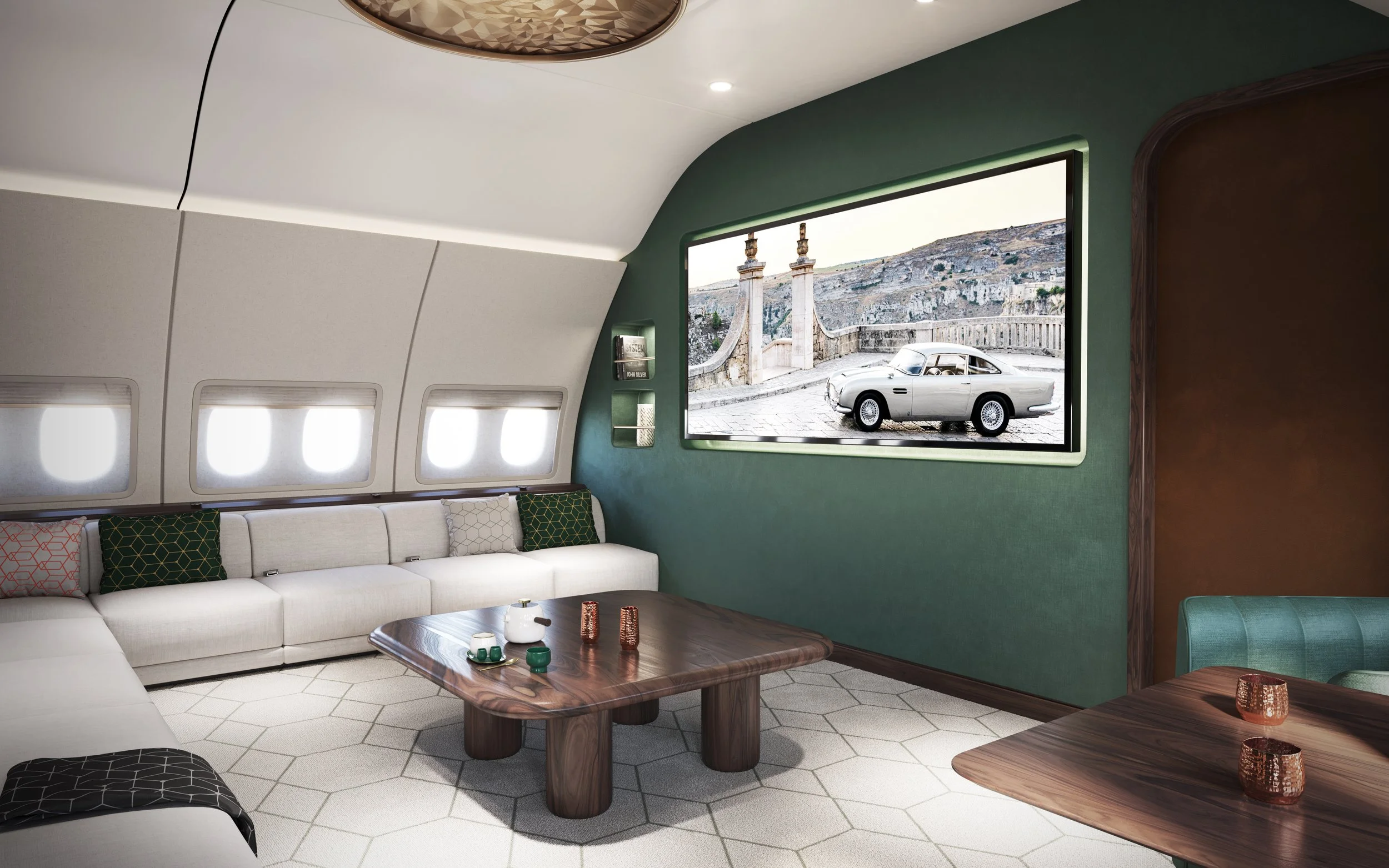
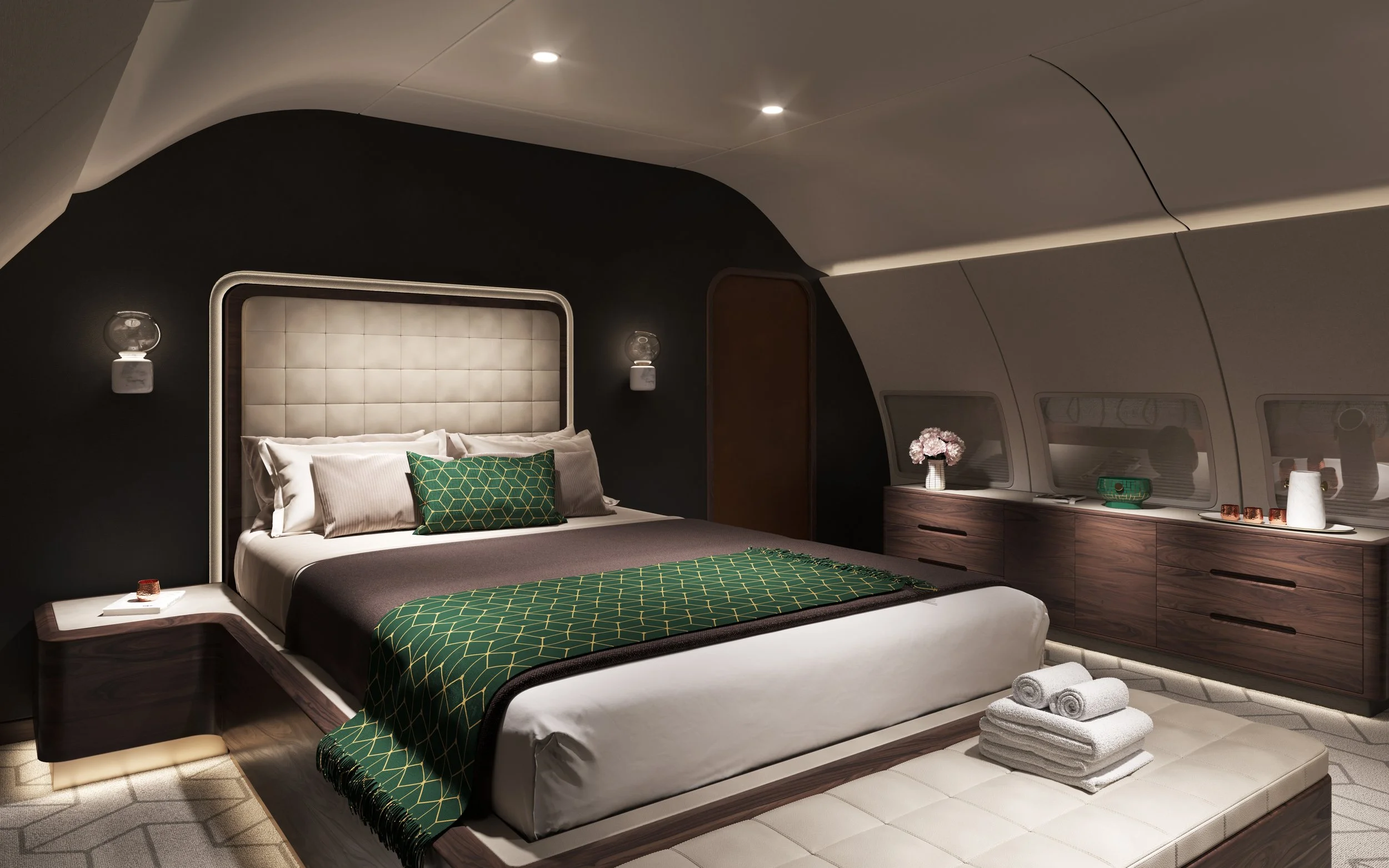
Connect with Sarah Larranaga Aviation Design
If you are evaluating an upcoming interior overhaul, an exterior livery redesign, or looking to maximize the long-term asset value of your VIP airliner during scheduled maintenance, consult with an industry leader. Contact Sarah Larranaga today to discuss your bespoke aircraft customization, design engineering, and value protection inquiries.