
The Pre-Owned Pivot: Why Cabin Reconfiguration Beats the 3-Year OEM Waitlist Every Time
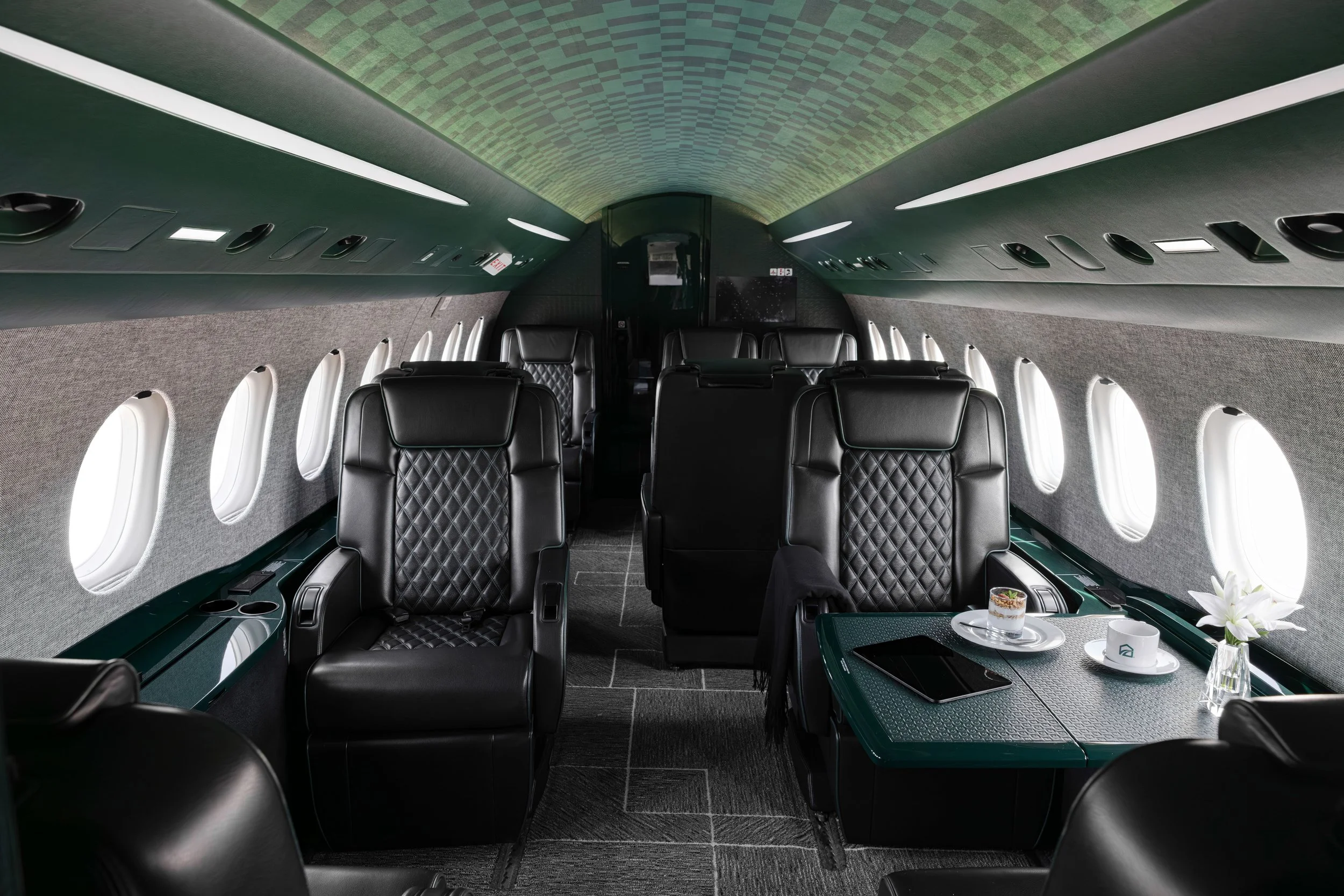
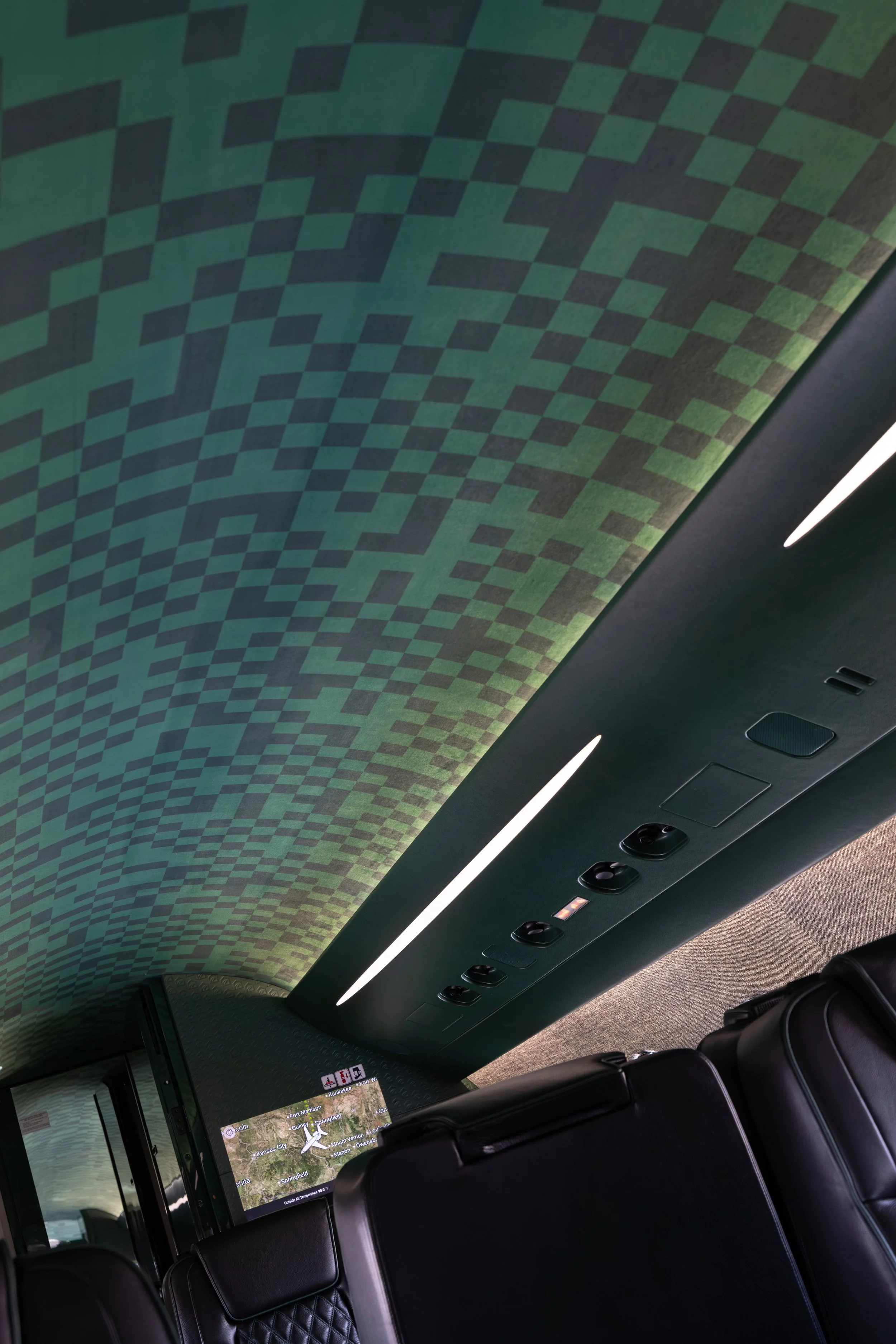
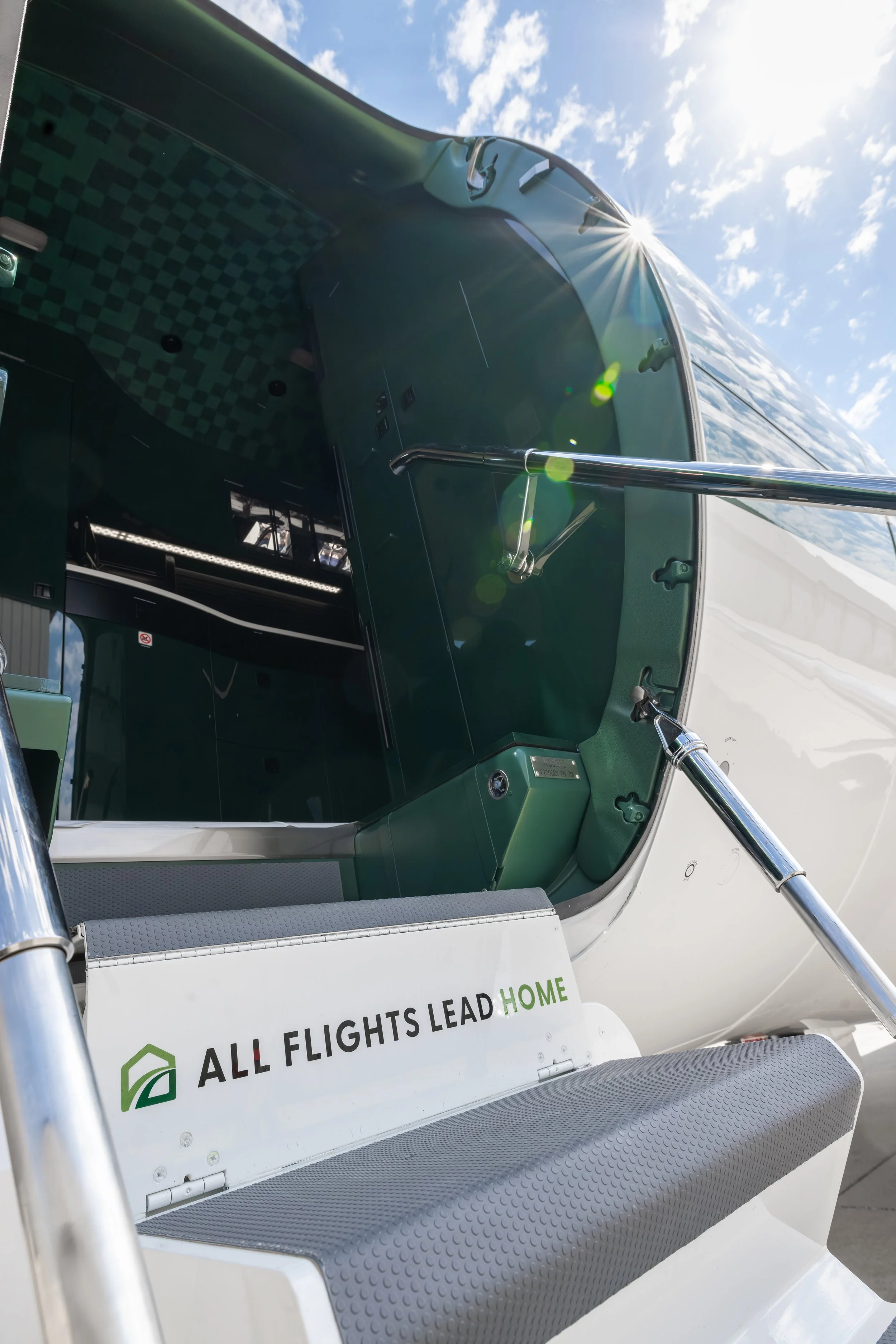
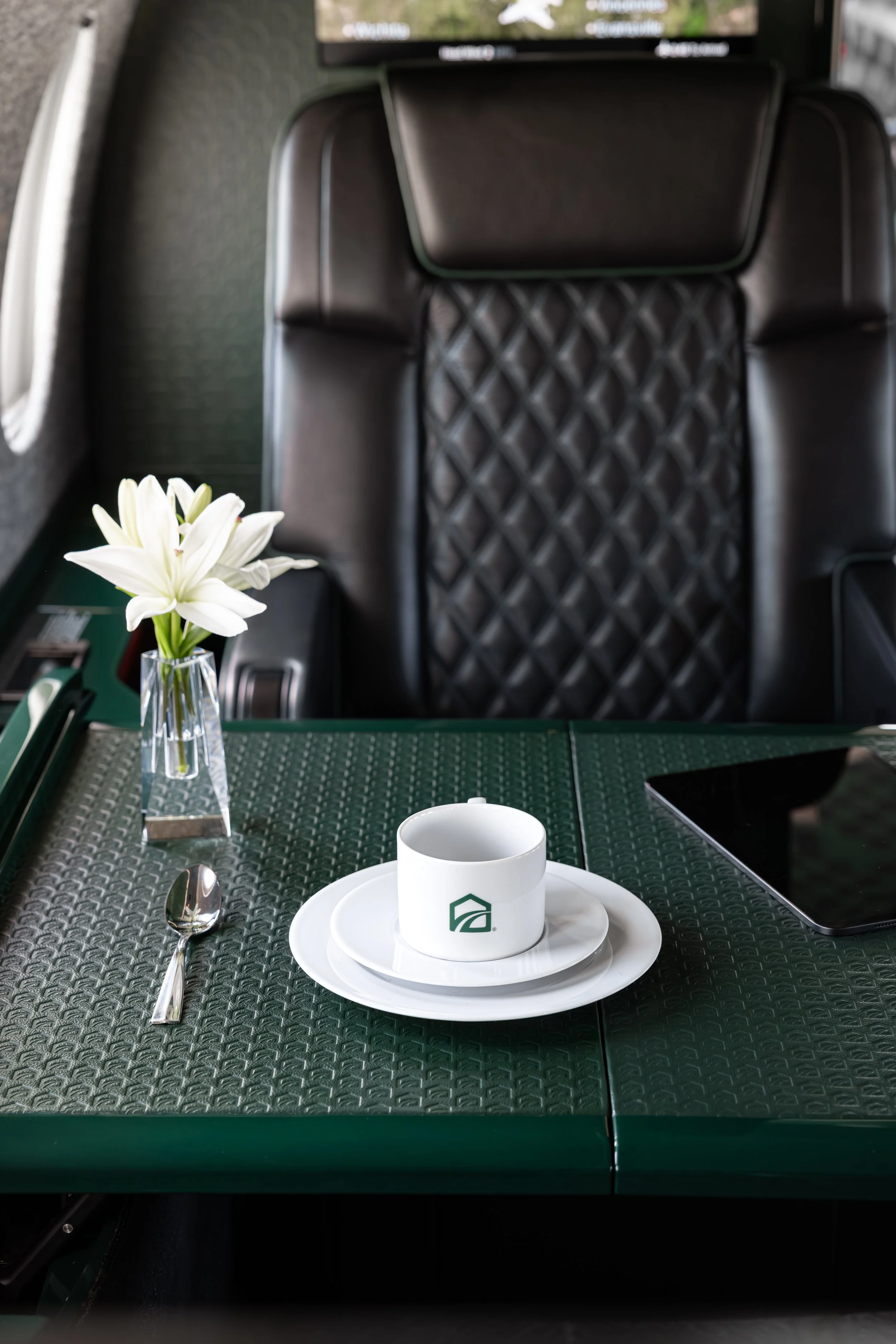
For the modern ultra-high-net-worth (UHNW) aircraft owner, time is the ultimate currency. Yet, the current state of business aviation presents a frustrating paradox. According to the mid-2026 JETNET iQ Market Monitor, the combined order backlog for the major original equipment manufacturers (OEMs) has reached a staggering $58.2 billion, pushing delivery waitlists for factory-new aircraft well past the 24-to-36-month mark. For flight departments and executives requiring immediate intercontinental capability, waiting three years for a factory slot is an operational bottleneck.
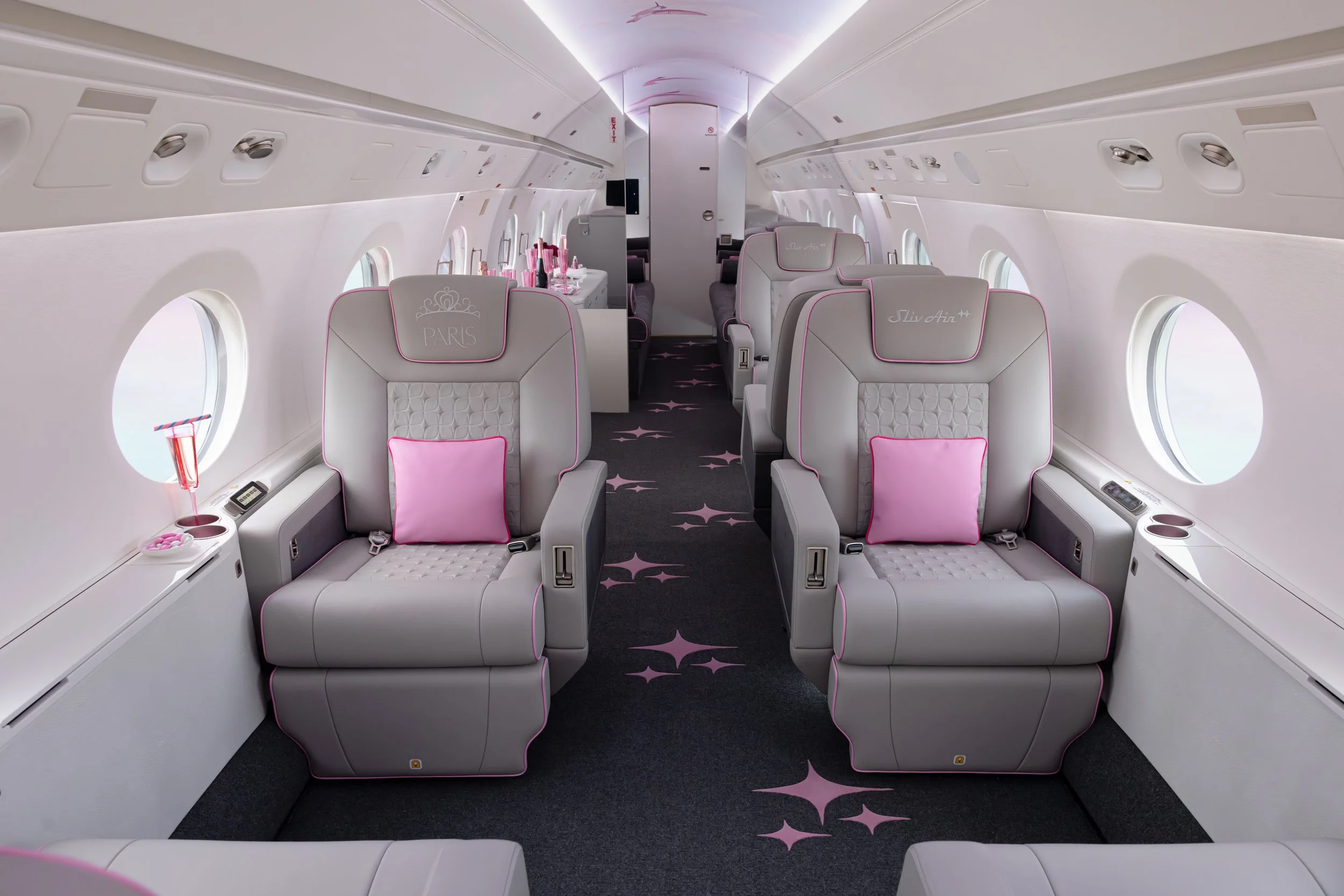
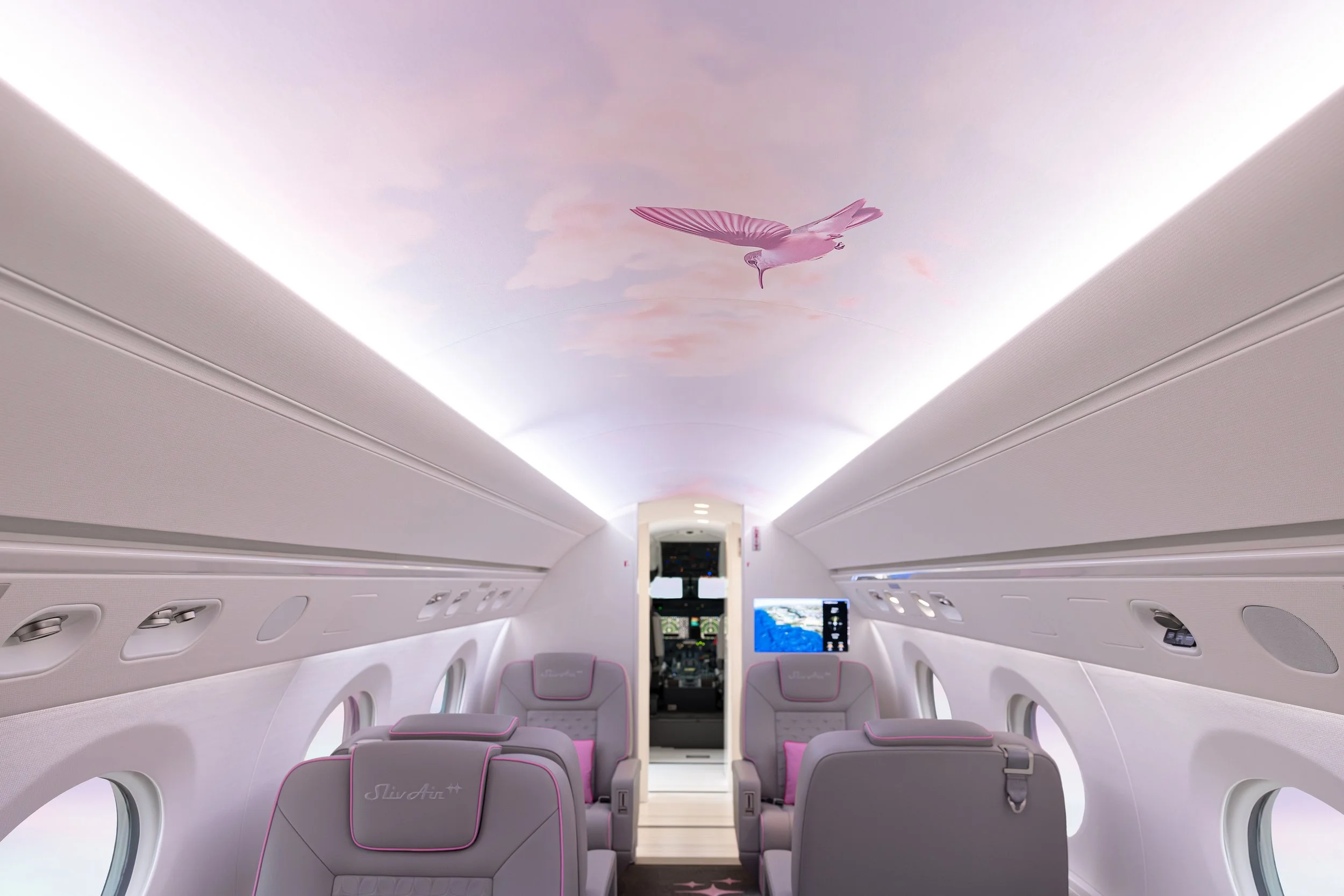
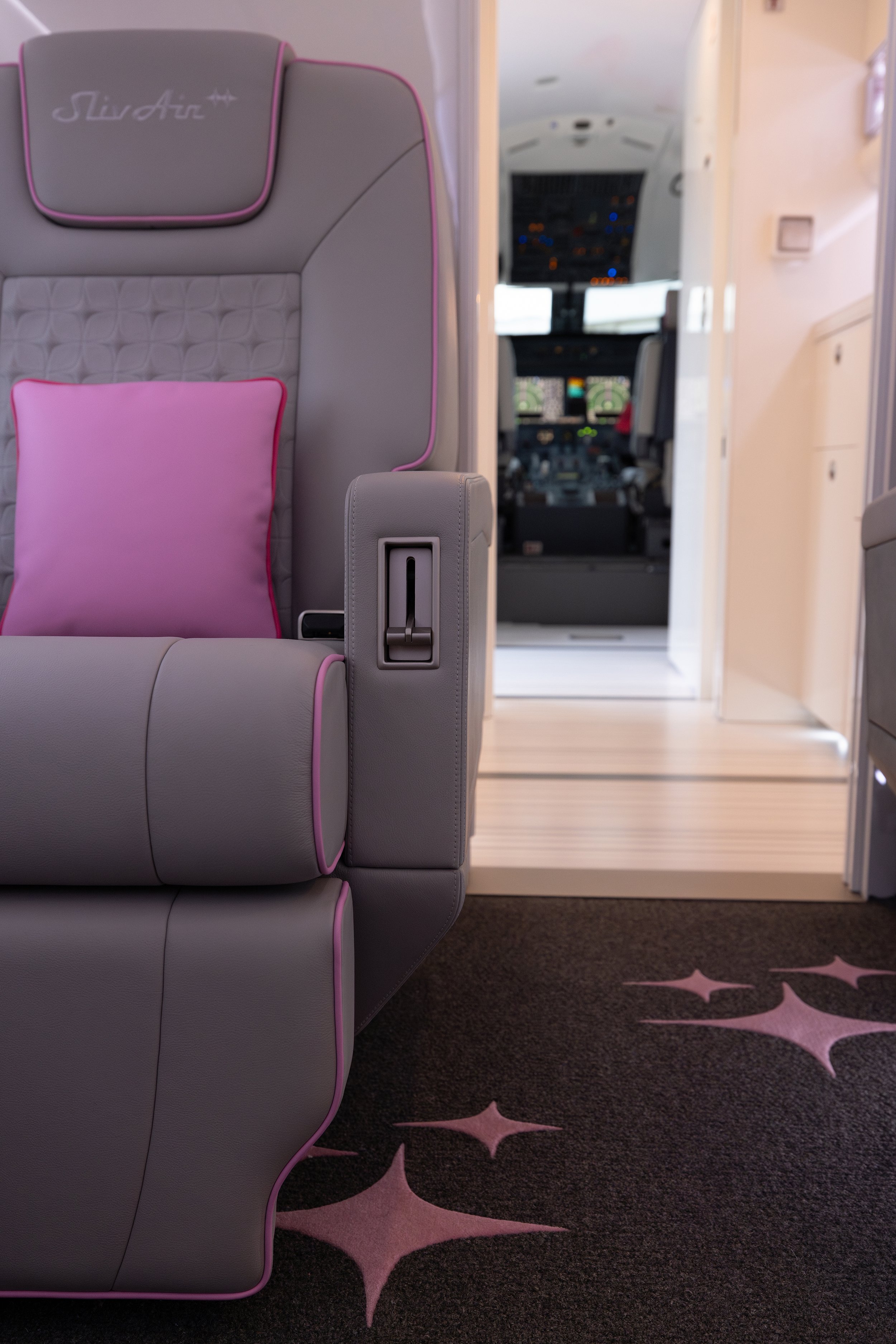
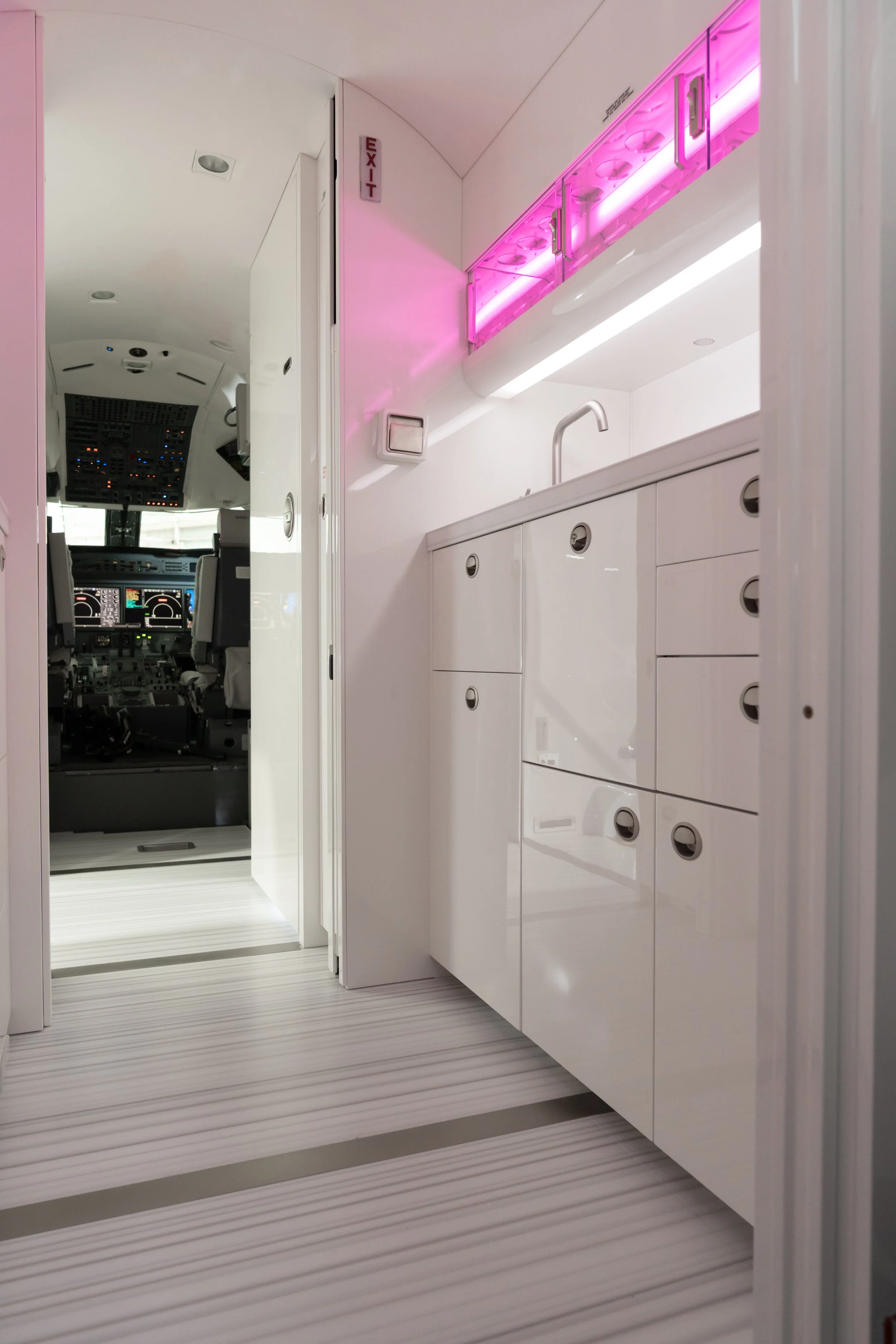
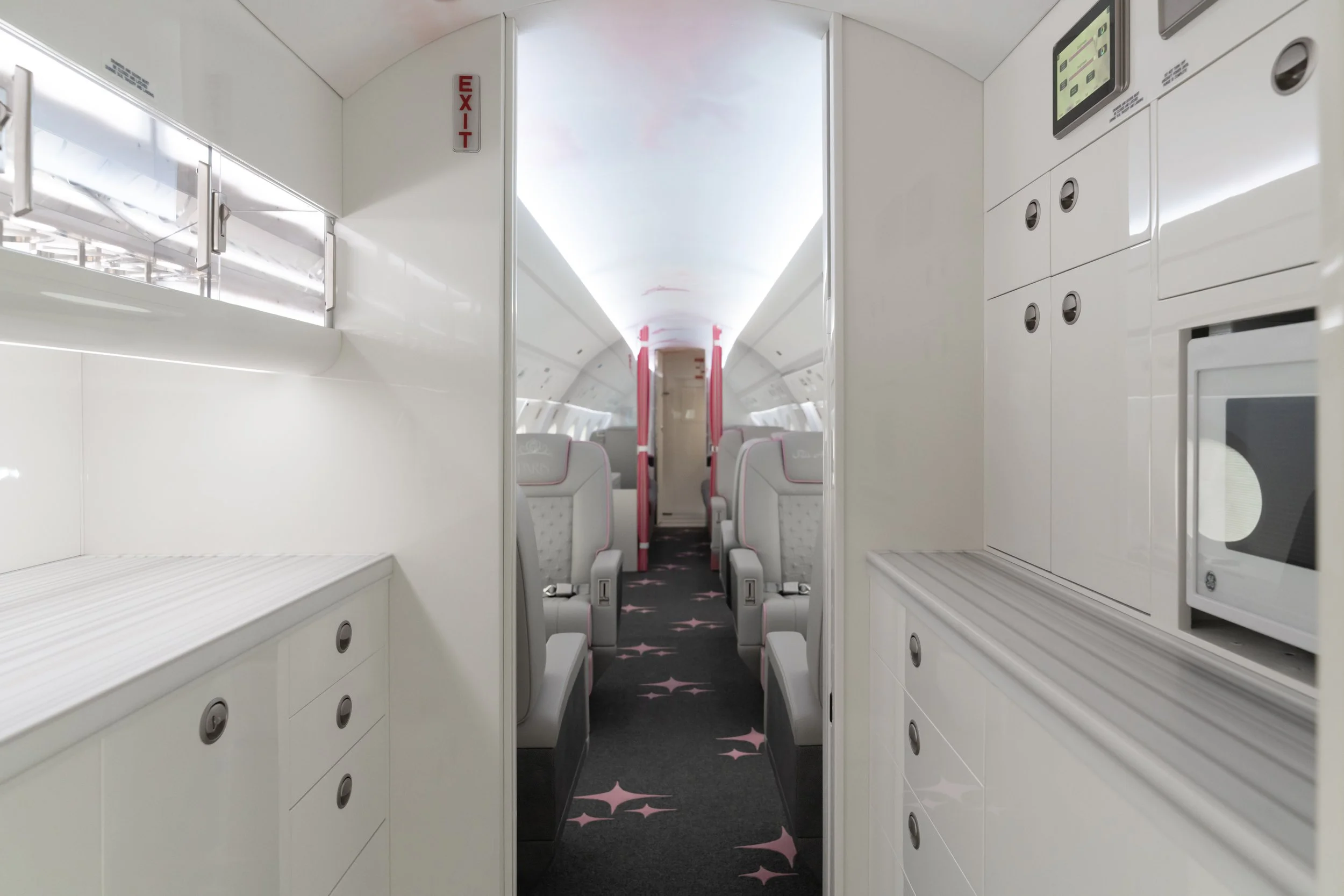
This unprecedented gridlock has triggered a massive paradigm shift in asset acquisition: The Pre-Owned Pivot. Forward-thinking buyers are increasingly acquiring late-model, pre-owned aircraft and turning to a globally recognized private jet designer, Sarah Larranaga, to execute comprehensive interior and exterior overhauls. By bypassing the factory waitlist and strategically modernizing an existing airframe, owners aren't just getting airborne faster—they are capturing immediate equity.
While an OEM factory waitlist forces a delay of two to three years or more, a bespoke private jet cabin reconfiguration can be completed in four to six months, frequently delivering an asset value increase of up to 15% return on investment relative to the refurbishment cost.
The Secondary Market Real Estate Play
The logic behind acquiring a pre-owned aircraft is anchored in stark supply-and-demand dynamics. Market intelligence from AMSTAT reveals that heavy jet inventory remains exceptionally tight, with just 5.5% of the active global fleet available for sale. However, because the newest aircraft representing ages 0 to 5 years comprise a minute fraction of that available inventory, the smart capital is moving toward aircraft in the 6-to-12-year range.
When you strip away an outdated cabin, these mid-generation aircraft possess identical structural integrity and nearly identical flight envelopes to their factory-fresh counterparts. The differentiation lies entirely within the skin. Partnering with a top private jet designer who understands the delicate balance between structural engineering and aesthetic execution allows owners to transform a depreciated asset into a bespoke masterpiece. The financial trajectory moves predictably: acquiring a pre-owned aircraft allows you to immediately strip the legacy interior, execute an engineering-led reconfiguration, and realize instant asset appreciation.



Engineering vs. Decoration: The ROI of Systems-Thinking
A common pitfall in cabin refurbishment is treating the aircraft like a terrestrial living room. In business aviation, weight is range, and compliance is safety. Every material introduced to the cabin, from the composite substrates behind the bulkheads to the open-pore wood veneers, directly affects the aircraft's center of gravity and its ultimate payload capacity.
This is where a profound background in aerospace engineering alters the financial outcome of the project. As top private jet designer for Gulfstream, Bombardier, and more, Sarah doesn't simply pick fabrics; she engages in rigorous weight-and-balance calculations, acoustic dampening mapping, and strict flammability compliance.
True asset protection requires a flawless execution of aviation project management. Refurbishing a large-cabin environment involves managing complex engineering substantiations, matching structural modifications with Civil Aviation Department (CAD) mandates, and overseeing a web of aerospace suppliers. When a project is managed with engineering precision, down-time is compressed to predictable, scheduled maintenance intervals, such as a major C-check, and the aircraft's residual value spikes. According to asset evaluation trends from AMSTAT, median values for heavy jets rose 11% since mid-2025 due to tight supply. A technically compliant, bespoke cabin overhaul completely capitalizes on this trend, offsetting the cost of the refurbishment while providing immediate operational utility.
Bespoke Without Compromise
Opting for a custom reconfiguration doesn't mean settling for less than factory quality—it means achieving a level of personalization that assembly-line OEMs simply cannot offer. Whether optimizing a floor plan for high-productivity corporate missions or zoning an ultra-long-range cabin for multi-generational travel, an engineering-first design ensures that every square inch of the pressure vessel serves a precise operational purpose.
The waitlist represents a lost opportunity cost. By leveraging a sophisticated acquisition strategy and backing it with elite engineering and design, owners can take delivery of a tailored, high-performance asset in a fraction of the time.