
Multi-Climate Engineering Challenge: Private Jet Cabin Reconfiguration for High Humidity Climates
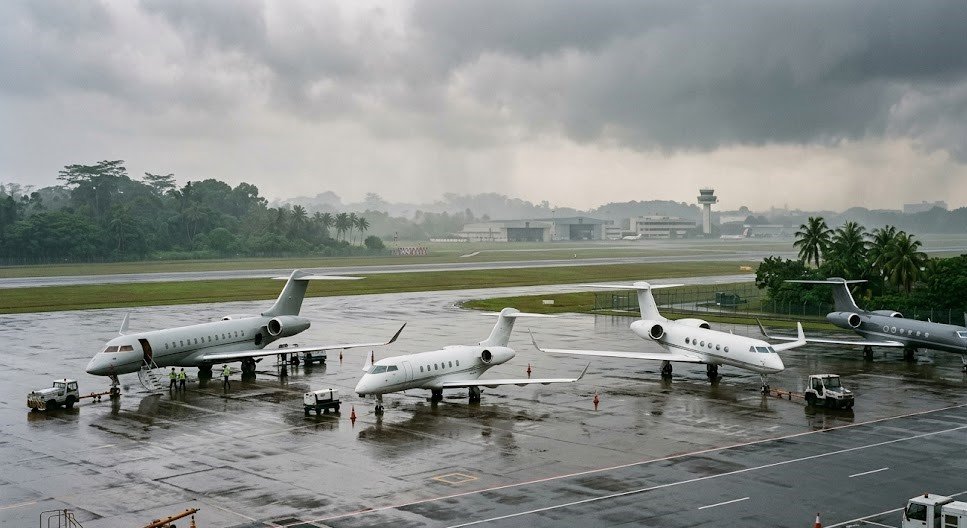
The Material Science Behind Bespoke Private Aircraft Interiors in the Tropical Climates
For corporate flight departments and ultra-high-net-worth (UHNW) individuals, private jet cabin reconfiguration is not merely an aesthetic choice, it is a critical engineering requirement. When aircraft are based in high-humidity climates, they face an aggressive and invisible opponent: extreme, prolonged moisture.
Whether operating out of tropical gateways or humid sub-tropical hubs, the transition from the bone-dry air of cruise altitude to the saturated ambient moisture of the ground creates a significant physical shock to the interior structure according to a 2018 study by Bagshaw and Illig.
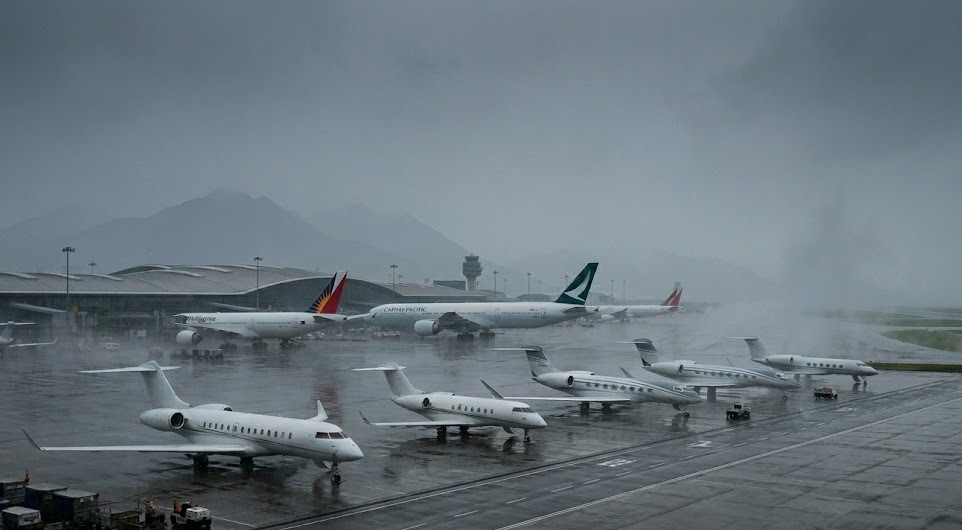
To preserve both the structural integrity and the residual value of a multi-million-dollar asset, owners cannot rely on mere decoration. Protecting an aircraft from the unique challenges of the tropical climate demands an engineering-led approach to material science, a domain mastered by Sarah Larranaga. As a top private jet designer with a deep background in aerospace systems-thinking and aviation project management, Sarah builds cabins that are not only visual masterpieces but are structurally engineered to withstand regional climate extremes.
The Chemistry of Micro-Cracking and Delamination
Traditional luxury design often relies heavily on organic materials, such as thick wood veneers, dense leathers, and open-cell foams. While these materials perform adequately in temperate climates, they act as environmental sponges in the tropics.
According to a landmark 2026 study published in Aerospace Global News, moisture absorption, rather than thermal fluctuation, is identified as the single primary driver of long-term polymer and carbon-fiber composite degradation in aircraft environments. When standard interior composite sandwich panels absorb atmospheric moisture, water molecules diffuse into the epoxy matrix. This leads to subtle internal dimension changes, localized swelling, and the micro-shattering of the resin-to-fiber bond.
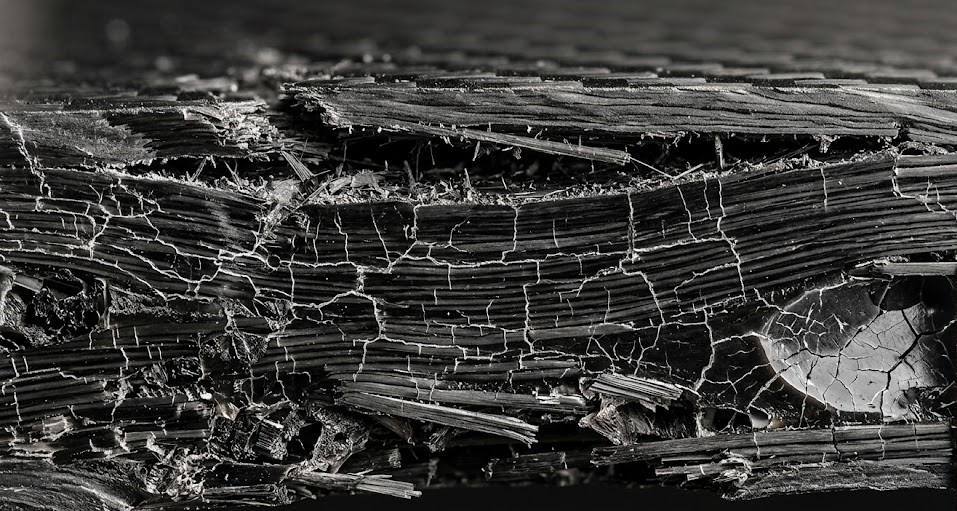
A micro view of composite failure, demonstrating the breakdown of polymer resin and subsequent carbon fiber separation.
[Tropical Descent: High Humidity] ➔
[Moisture Diffusion into Matrix] ➔
[Localized Resin Swelling] ➔
[Micro-Cracking & Face-Sheet Delamination]
As a globally recognized private jet designer, Sarah addresses this vulnerability at the molecular level during the initial specification phase. Rather than deploying standard commercial honeycomb panels, which feature internal cells that can trap condensed water vapor, her designs utilize advanced, aerospace-qualified rigid closed-cell thermoplastic foam cores. These specialized closed-cell structures eliminate the risk of internal moisture accumulation, preventing the localized face-sheet delamination that often plagues under-engineered custom modifications in high-humidity zones.
Engineering the Shield: Substrates, Vapor Barriers, and Finishes
Mitigating multi-climate degradation requires a multi-layered engineering strategy that balances weight, aesthetics, and rigorous civil aviation safety standards. Material protocols for tropical fleet transitions focus heavily on three technical defense layers:
1. Hydrophobic Substrate Architecture
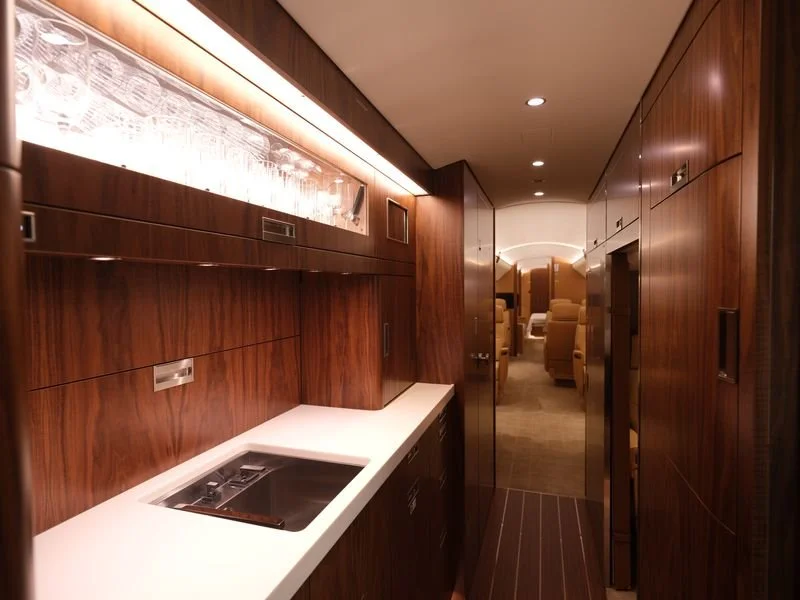
Traditional decorative bulkhead panels are replaced with advanced, low-moisture-absorption composite laminates. By optimizing the fiber architecture and orientation within the resin matrix, the substrate's mechanical properties are fortified against moisture-driven degradation, ensuring the interior architecture remains structurally stable over years of regional service.
2. Advanced Moisture Drainage & Vapor Separation
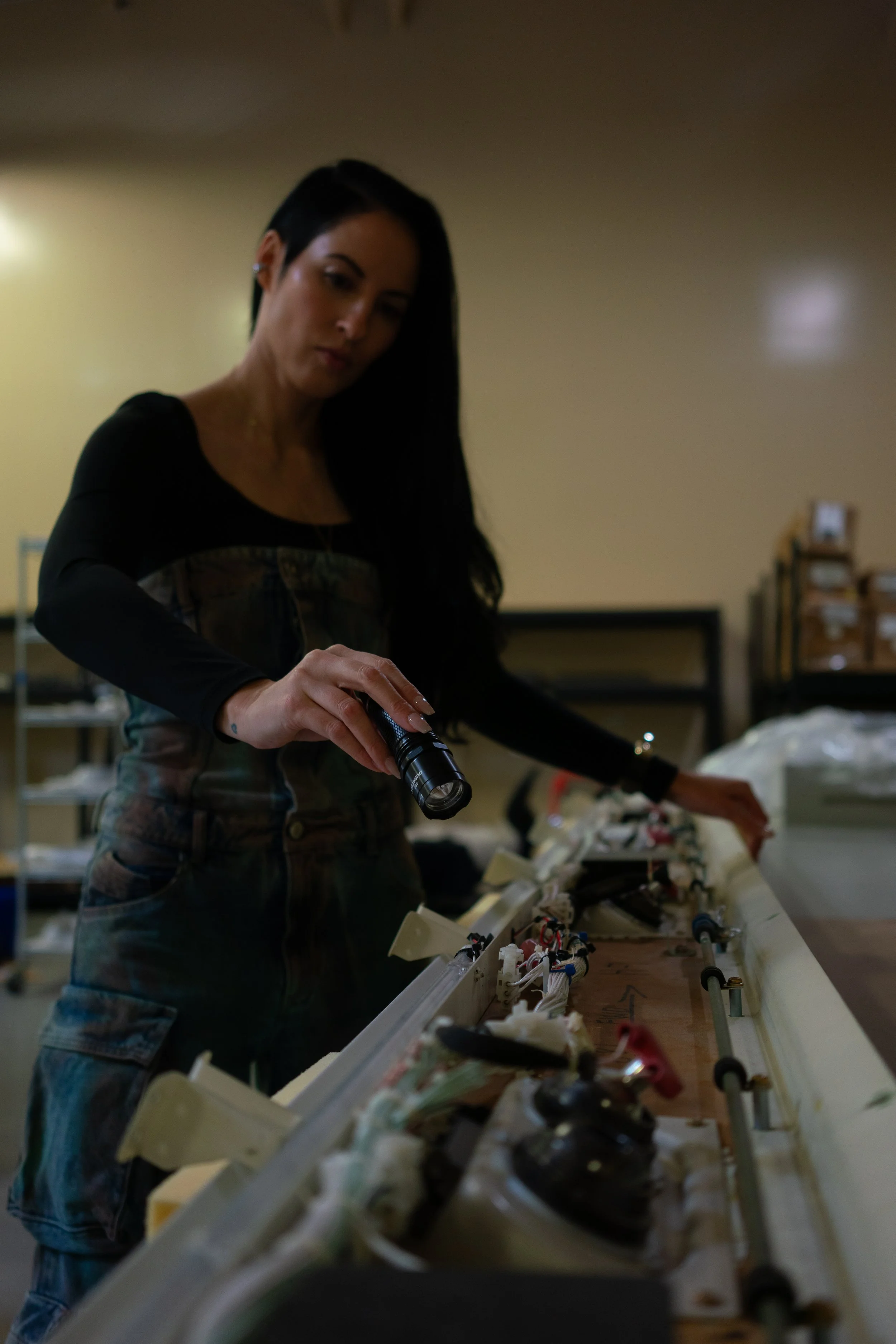
Between the cold aluminum outer skin of the aircraft and the bespoke interior insulation blankets, specialized, flame-resistant thermoplastic moisture barrier sheets are integrated into the build. According to Saint-Gobain, these barriers actively repel condensation, directing ambient water vapor away from structural insulation and safely down into the bilge drainage areas to eliminate the risk of hidden mold growth and sub-floor corrosion.
3. Open-Pore vs. Sealed Polymer Finishes
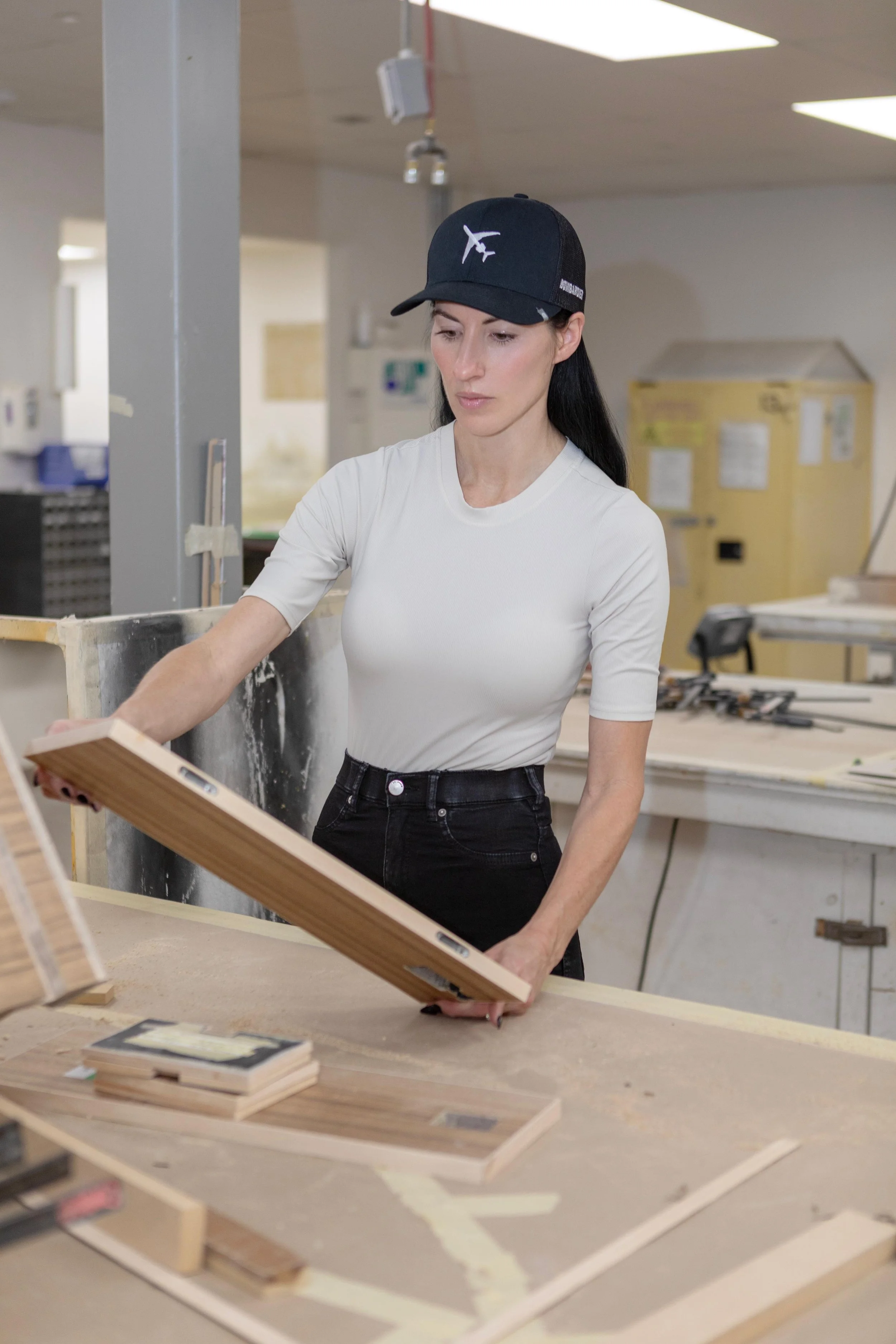
While raw, open-pore wood surfaces are highly susceptible to moisture trapping, Sarah coordinates with elite aerospace finish laboratories to deploy proprietary, ultraviolet-cured, moisture-impervious clear polymers. These advanced coatings seal exotic wood veneers entirely, preserving their natural visual depth while blocking environmental water vapor from penetrating the underlying grain.
The ROI of Proactive Environmental Compliance
Basing an un-optimized aircraft in a tropical region can trigger staggering operational expenses. Trapped moisture hidden behind bulkheads or beneath floorboards dramatically increases the empty weight of the aircraft, directly reducing fuel efficiency and maximum flight range. Furthermore, moisture-driven micro-cracking often remains invisible until a mandatory inspection reveals extensive, deep structural damage.
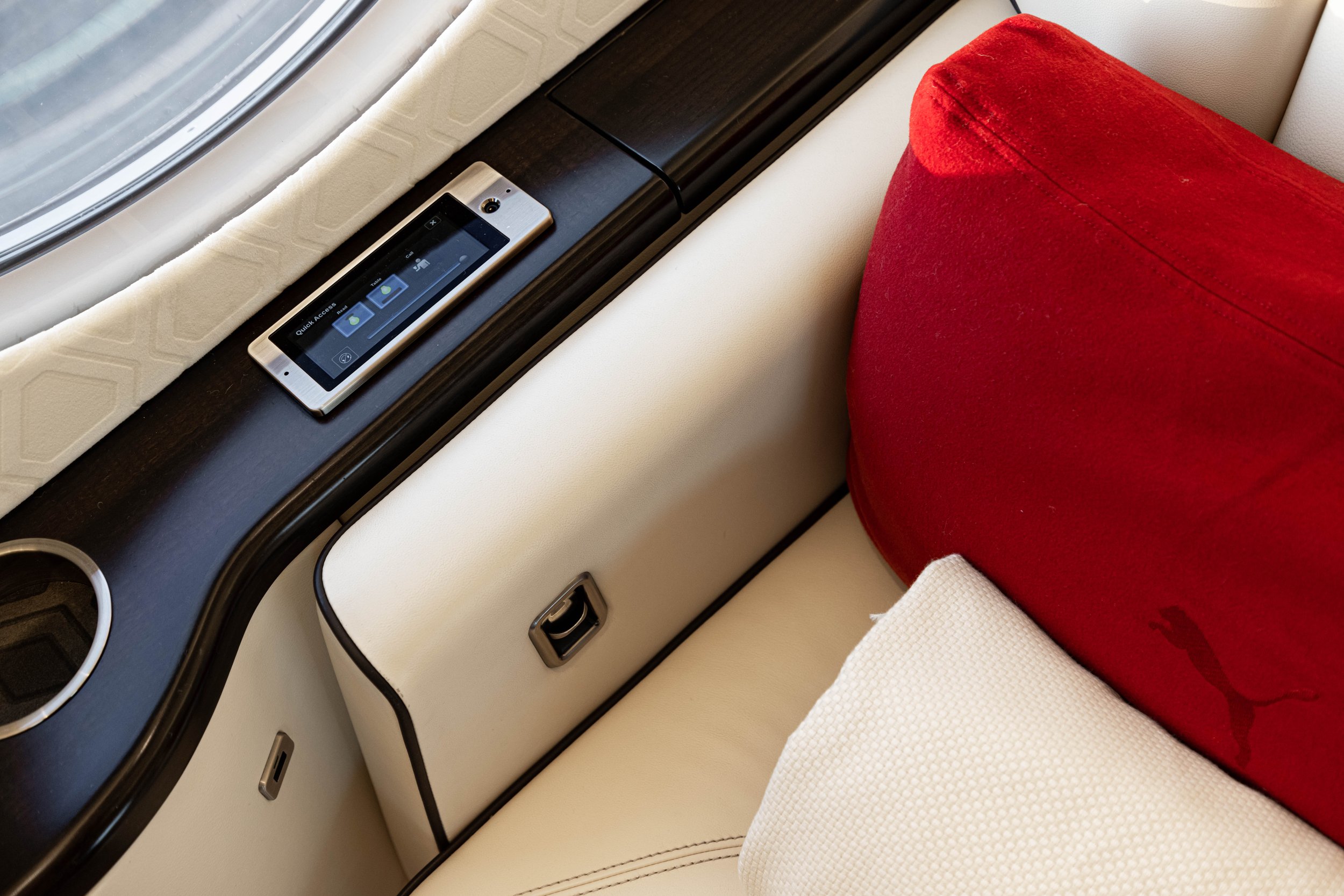
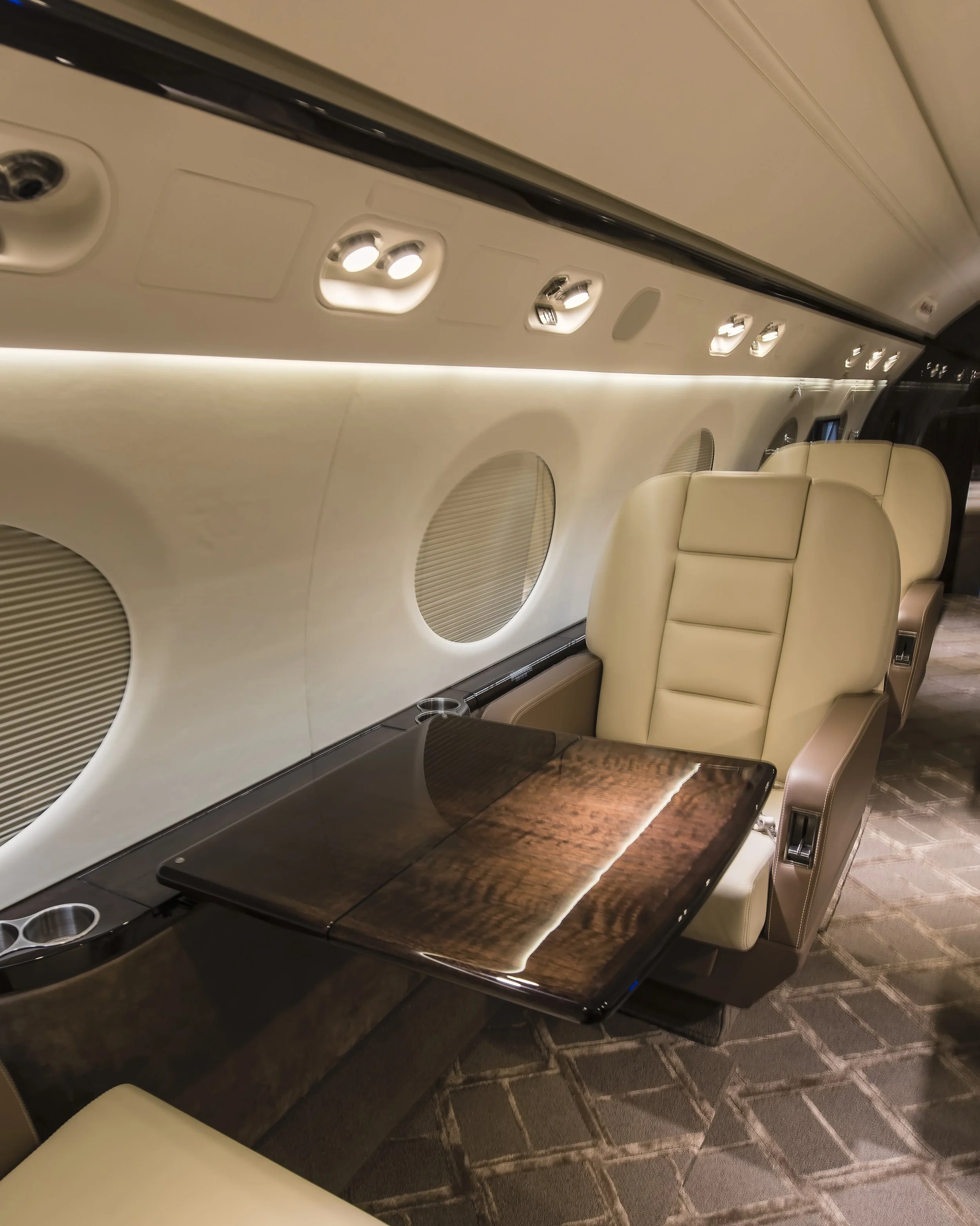
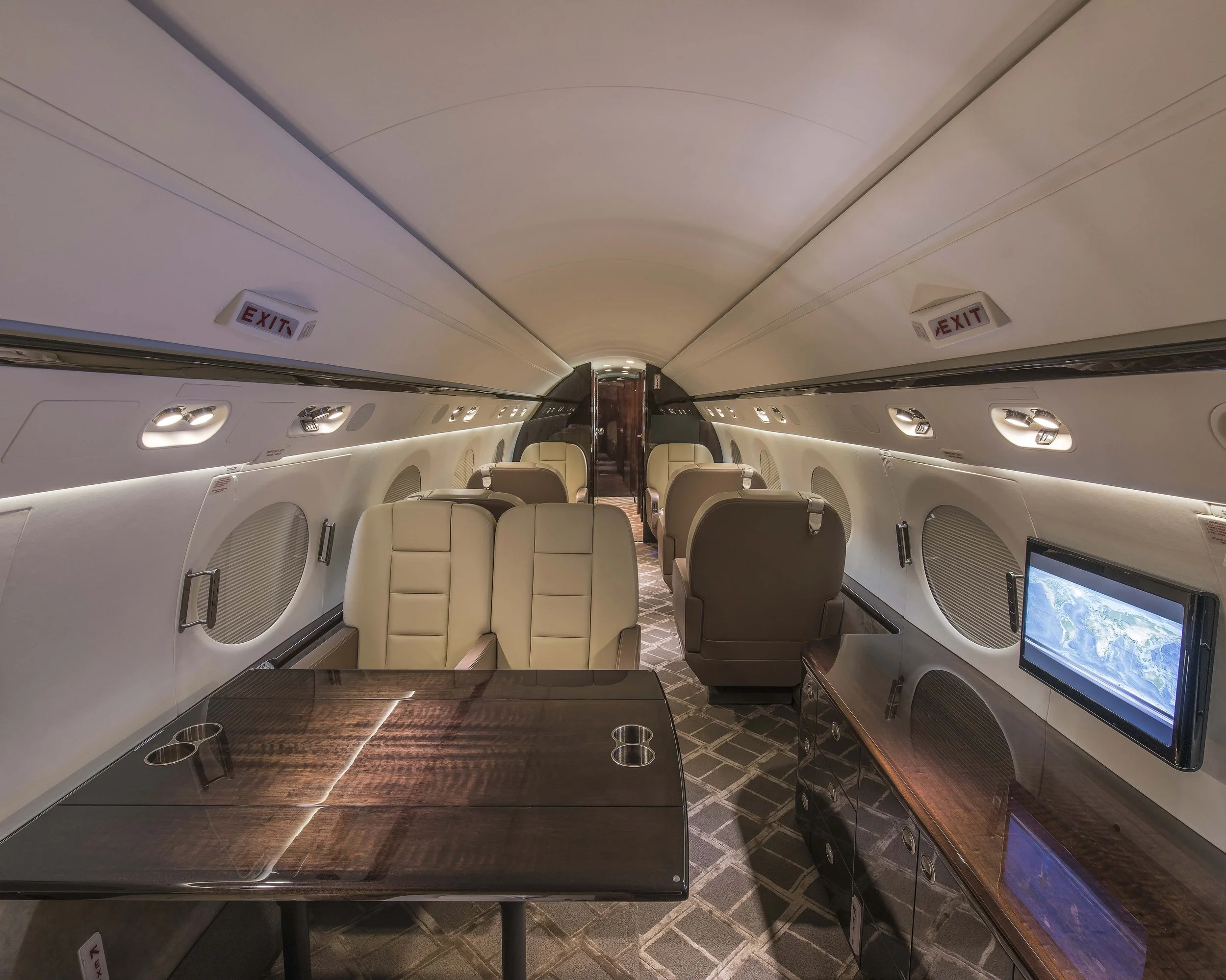
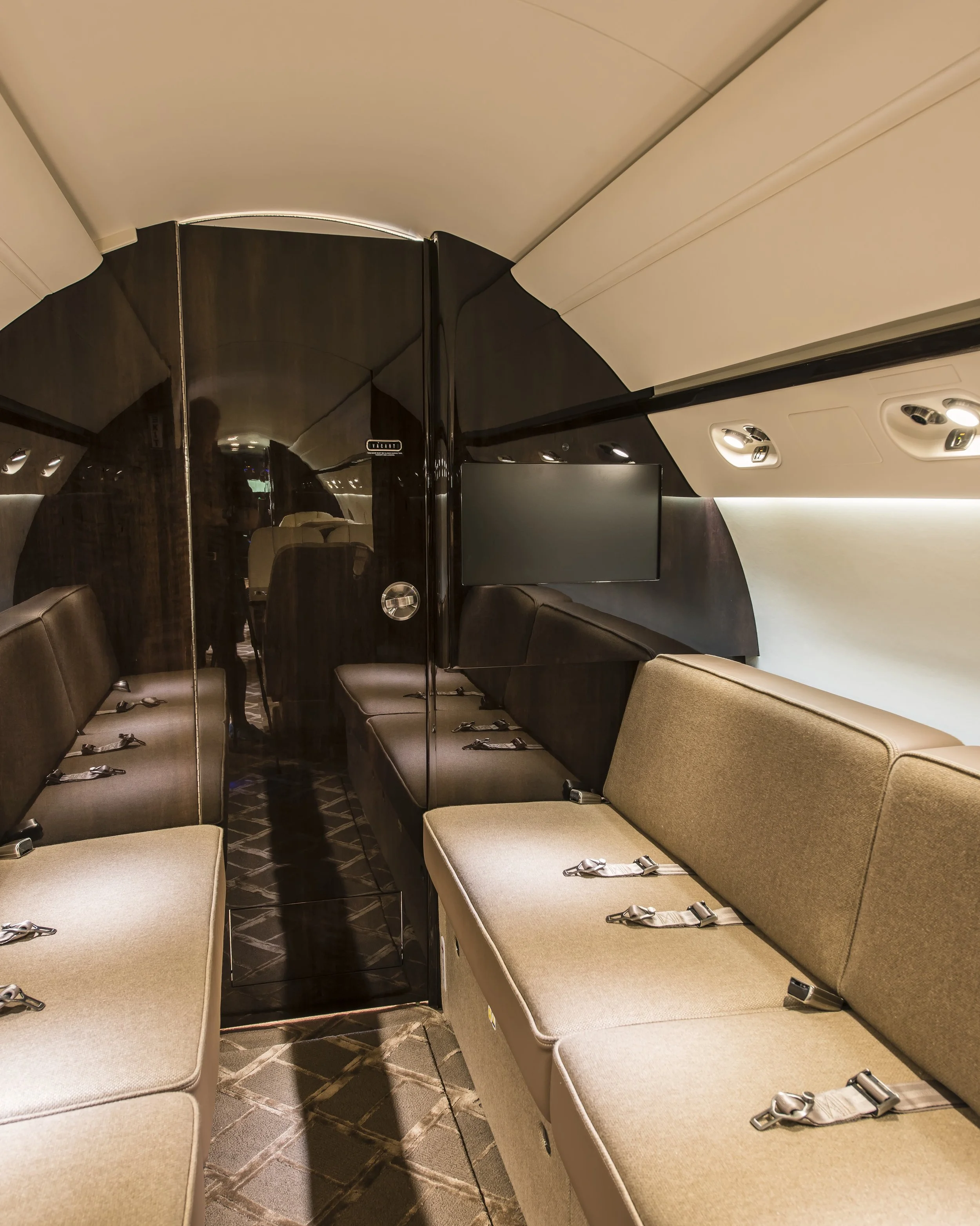
By executing an engineering-first climate adaptation, Sarah ensures that every material change matches strict Civil Aviation Department (CAD) mandates. This scientific oversight completely compresses maintenance down-time, protects your cabin air quality, and immunizes the aircraft against environmental degradation. For the modern operator, investing in sophisticated material science isn't an option, it is the ultimate strategy for regional asset preservation.