
What Does a Private Aircraft Designer Do?
A Master Class in Business Aviation Architecture
Designing the interior of an executive aircraft is one of the most demanding disciplines in modern architecture. Unlike ground-based luxury residences or superyachts, a private jet cabin operates within extreme physical constraints where every square inch must balance human comfort with aerodynamics, spatial efficiency, and complex structural engineering.
Understanding the role of a specialized aircraft designer for private jets is essential for aircraft owners, flight departments, and prospective buyers exploring a new completion or interior overhaul. A top private jet designer serves as the bridge between personal aesthetic preferences and the rigid engineering mandates governing commercial and private flight.
According to a global market analysis by Dataintelo, the private jet interior design market was valued at $3.8 billion, driven by expanding business jet fleets and an accelerating demand for bespoke cabin completions. As completions grow more sophisticated, the scope of an aircraft designer has expanded beyond aesthetic curation into full-spectrum aviation architecture.
Engineering Rigor Meets Architectural Artistry
A common misconception is that standard luxury interior designers can easily transition into private aviation. In reality, aircraft interiors require deep technical expertise in flight dynamics, weight and balance distribution, and material science.
Every partition, bulkhead, cabinet, and seating element installed inside a cabin directly impacts the center of gravity of the aircraft. An experienced aircraft designer works alongside aeronautical engineers from day one to calculate weight limits and structural loads.




Furthermore, every material introduced into the cabin must satisfy stringent fire safety, flame propagation, and smoke emission standards. According to technical completion guidelines published by Aircraft Interiors International, future-proofed aesthetics in modern cabins heavily rely on lightweight composites and certified natural textiles that cut cabin weight to maximize operational range without sacrificing tactile luxury.
To ensure airworthiness, all interior modifications must strictly comply with FAA compliance standards before receiving final flight clearance.
The End-to-End Design and Completion Process
The workflow of a private jet designer spans multiple distinct phases, turning initial concept sketches into a certified airborne environment.
1. Conceptualization and Spatial Planning
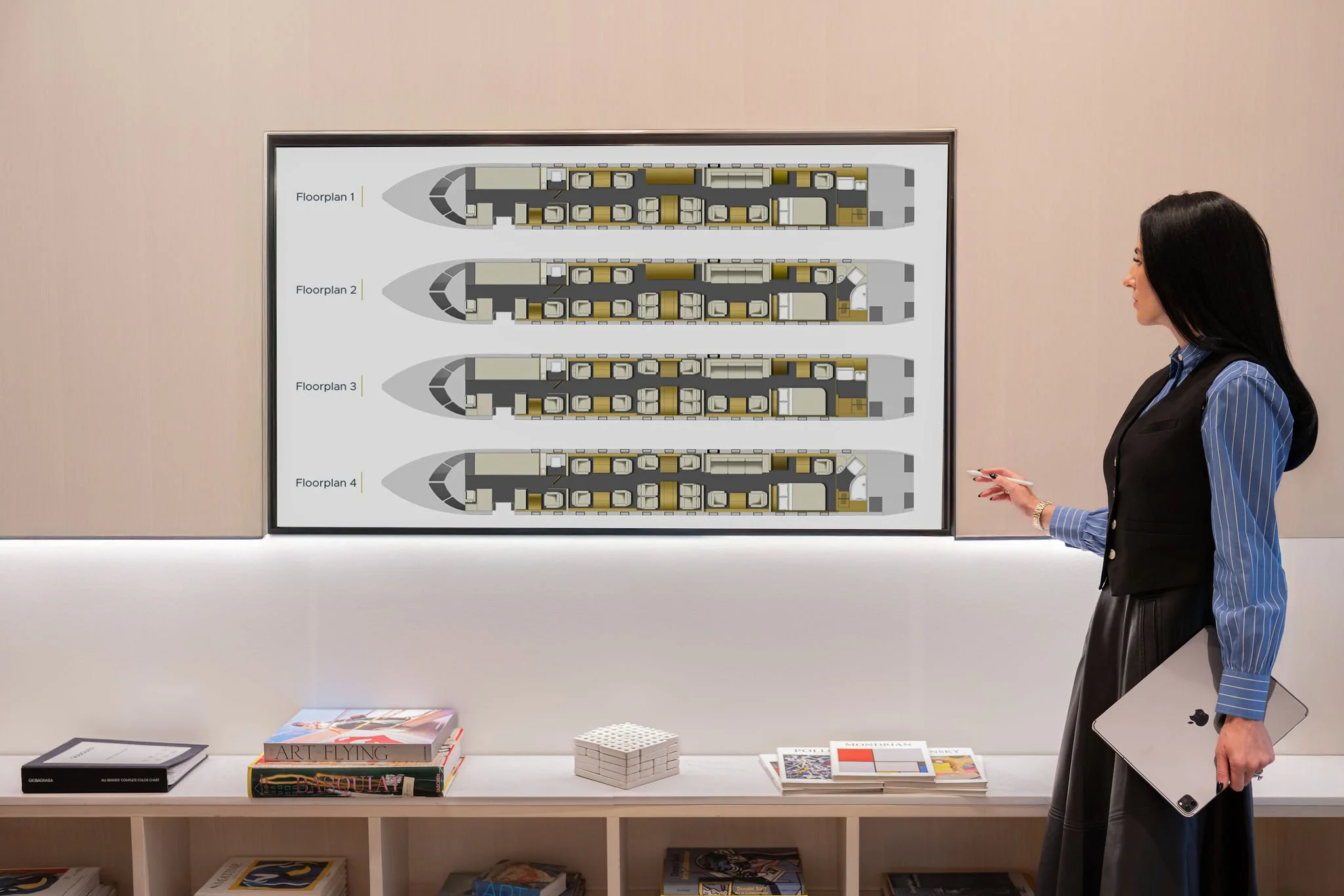
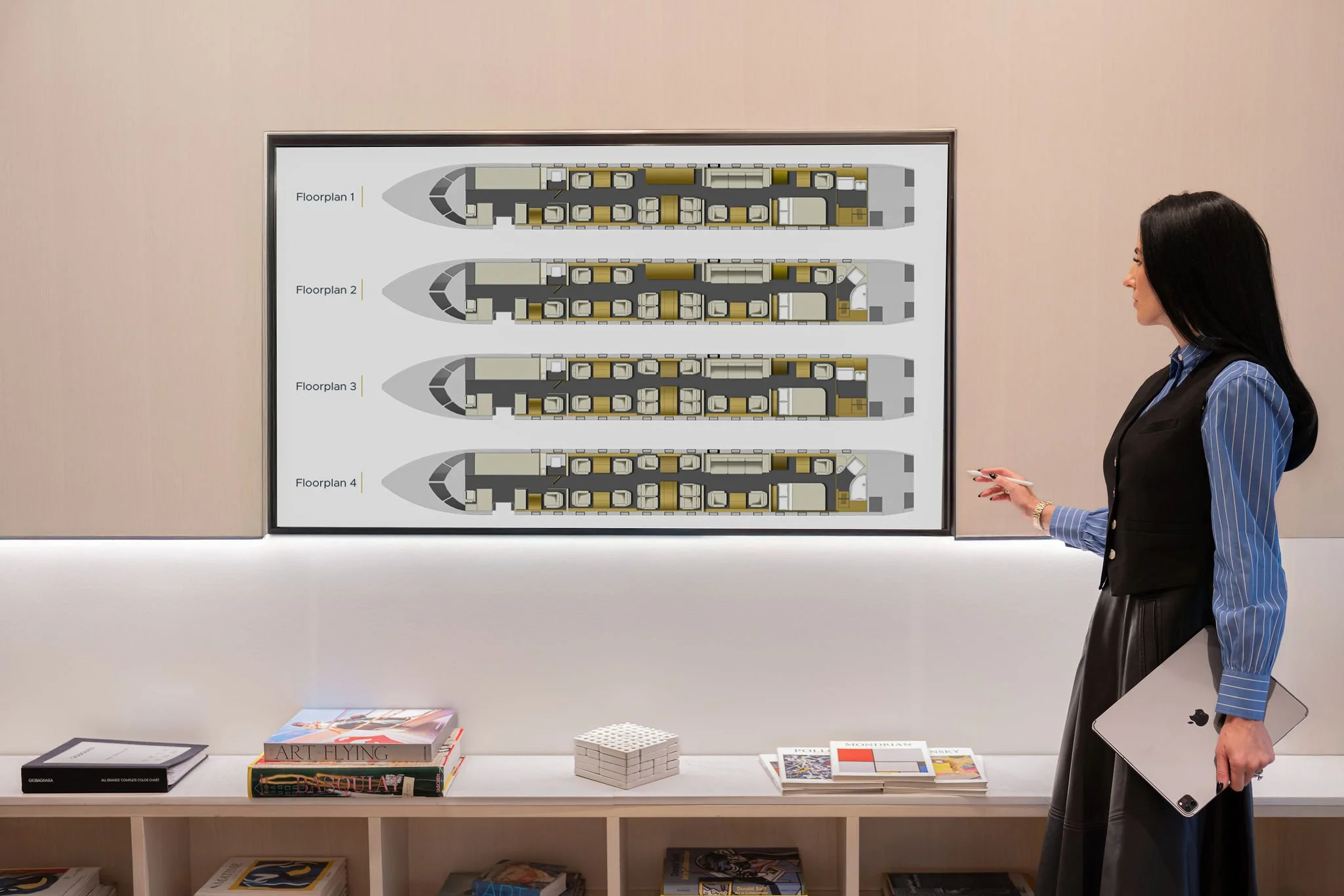
The process begins with evaluating the lifestyle and operational needs of the aircraft owner. Whether the aircraft is a super-midsize jet or an ultra-long-range jet, the designer creates detailed 3D spatial models that optimize aisle clearance, headroom, and functional seating arrangements.
2. Custom Material Curation and Sampling

Every leather hide, wood veneer, and metal hardware finish is hand-selected. Materials are subjected to rigorous laboratory burn testing and regulations to guarantee full FAA compliance.
3. Engineering and 3D Modeling

Precise CAD models are developed for cabinetry, galley inserts, and lavatory fixtures. The designer ensures that mechanical access panels, oxygen mask deployment units, and air conditioning vents are seamlessly integrated into the architectural scheme.
4. Completion Management and Installation Oversight
During the fabrication phase at the completion center, the designer oversees technicians to ensure that execution matches the design intent precisely.
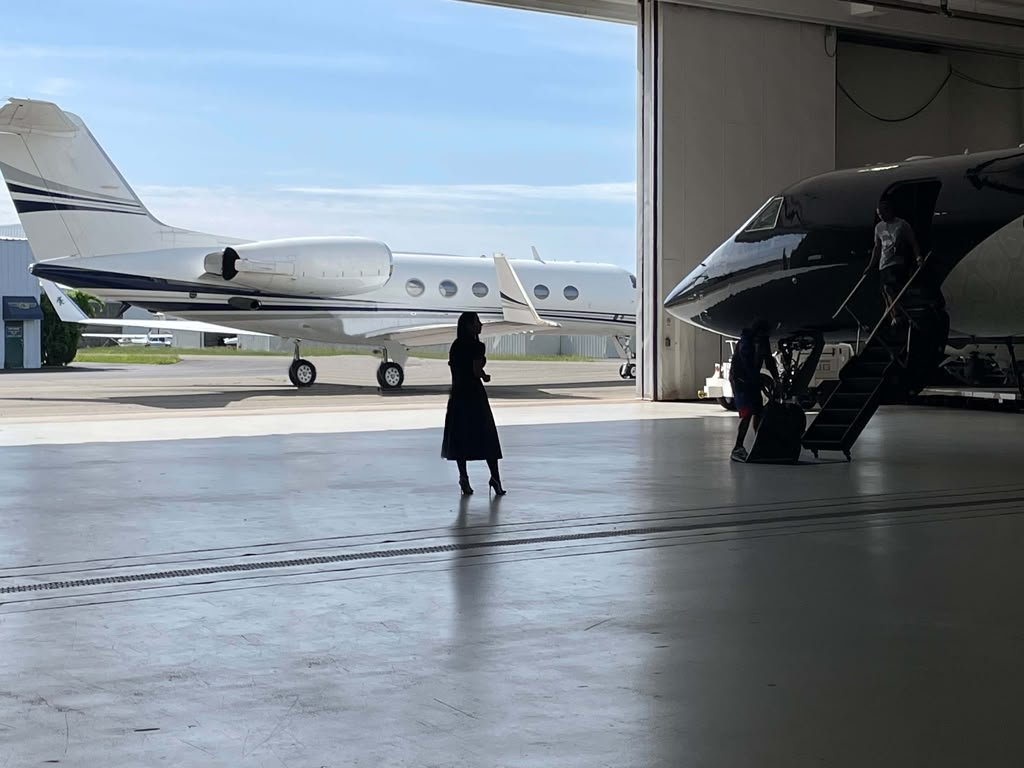
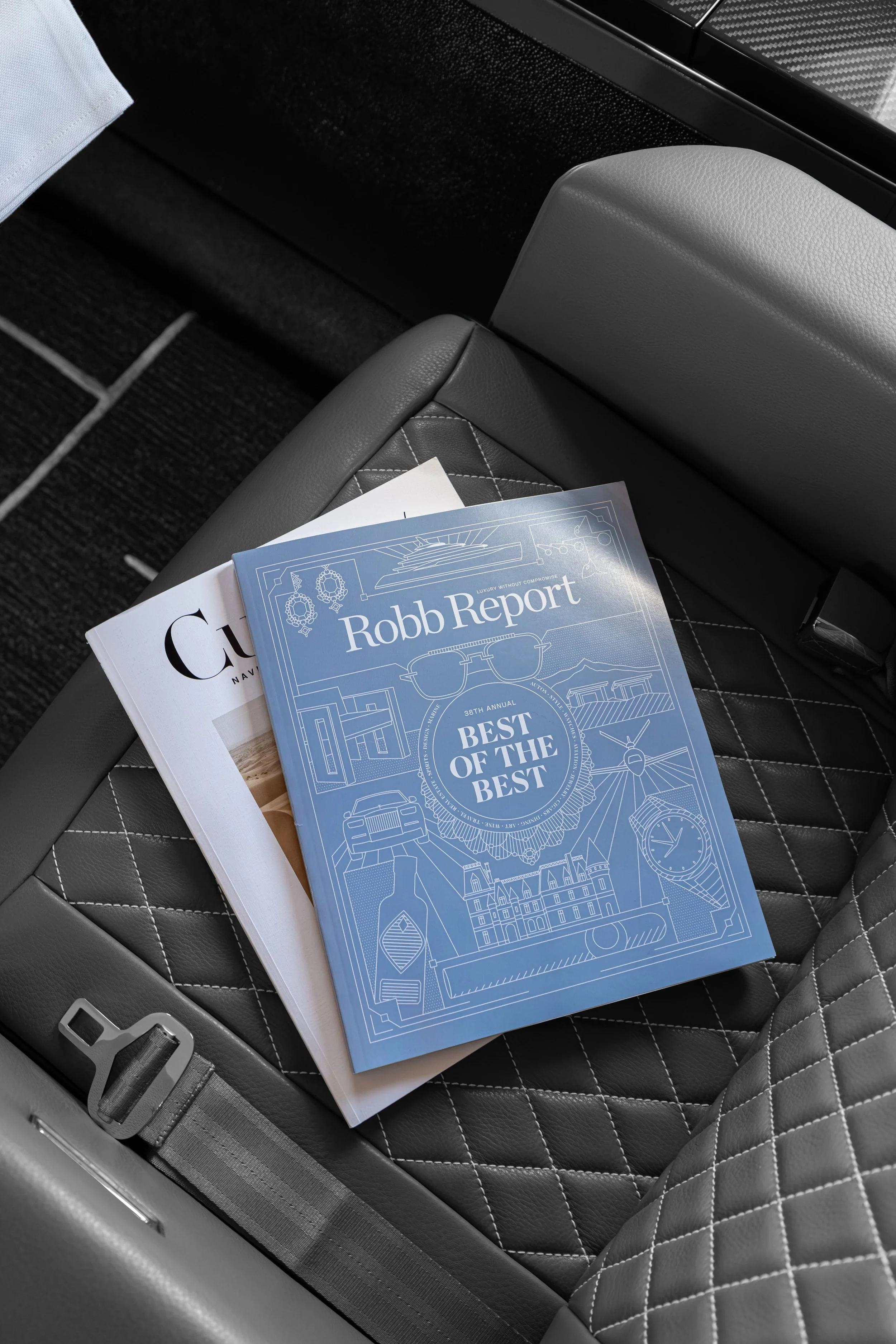
This level of meticulous program management defines the work of Sarah Larranaga Aviation Design. Honored with Robb Report's Best of the Best award, founder Sarah Larranaga has built an international reputation for delivering innovative VIP private jet design solutions that harmonize high-end residential luxury with precise engineering integrity.
How to Select the Right Aircraft Designer for Your Fleet
When evaluating a private jet designer or firm to oversee a multi-million-dollar completion, owners and fleet managers should assess several critical criteria:
Demonstrated Aviation Credentials: Ensure the designer possesses proven experience navigating FAA certification processes and working directly with major aircraft original equipment manufacturers (OEMs).
Cross-Disciplinary Expertise: Look for a firm that combines spatial architecture, lighting design, and acoustic engineering under one unified workflow.
Completion Center Network: A top private jet designer maintains established relationships with leading completion facilities globally, ensuring smooth project management from teardown to delivery.
Proven Track Record: Review past completed aircraft projects to verify that the firm consistently balances aesthetic innovation with long-term durability and operational functionality.

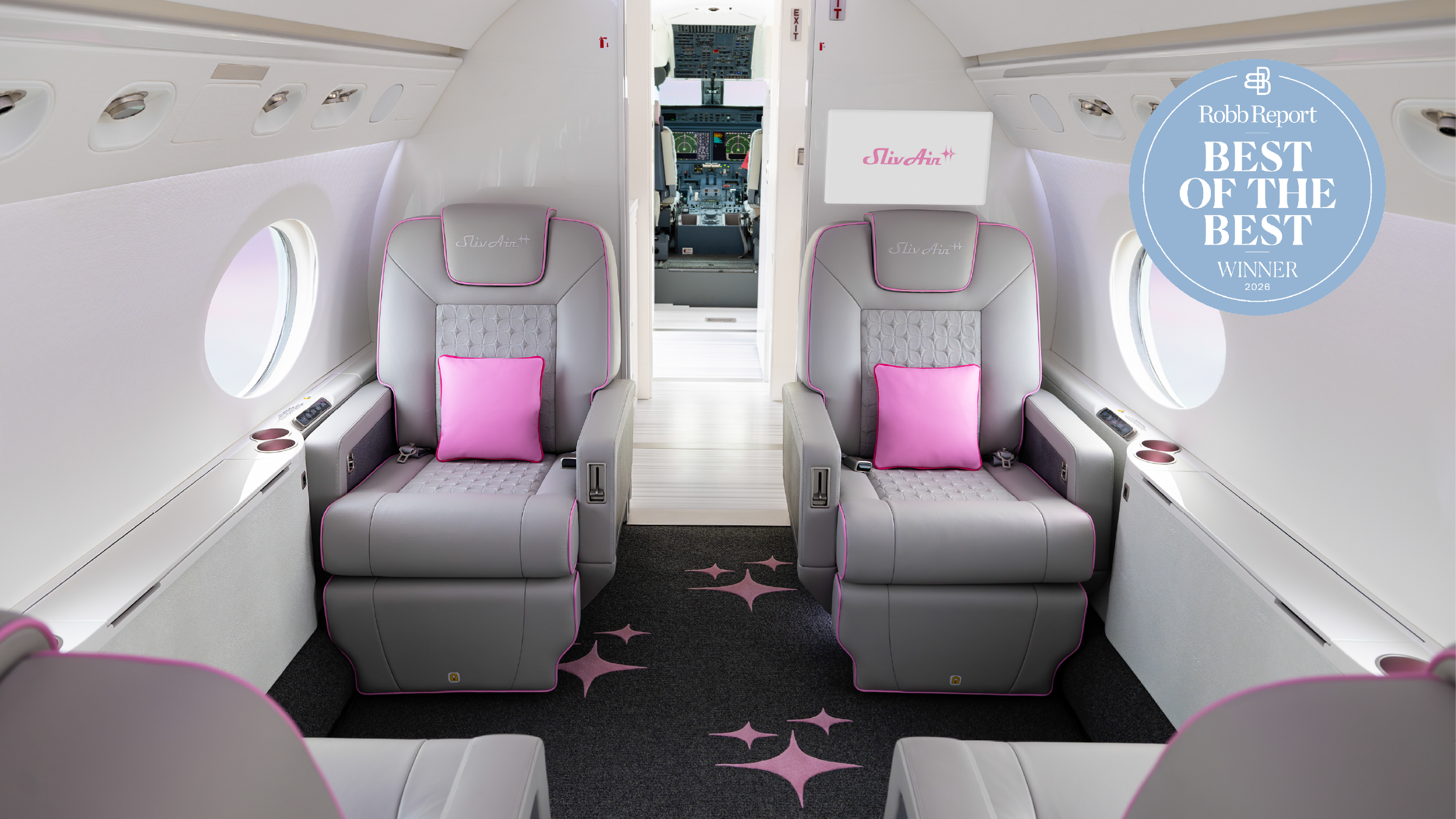
Investing in a skilled aircraft designer ensures that your aircraft interior delivers an exceptional passenger experience while preserving the long-term resale value of the asset.
Don’t just fly, travel in a masterpiece. Sarah Larranaga Aviation Design specializes in turning private jets into highly personalized, luxurious retreats through world-class private jet interior, exterior design, and bespoke upgrades. Step into a new standard of private aviation. Connect with us today to start your aircraft's transformation.