
Design Tips for Modernizing an Aging Private Jet Cabin
Modernizing an aging aircraft cabin requires a strategic approach that balances aesthetic refinement with technical longevity. As a flight deck ages, the physical airframe often remains exceptionally strong, while the interior decor, lighting, and entertainment systems quickly show their age. Commissioning a thoughtful aircraft interior refurbishment allows aircraft owners to revitalize pre-owned jets, bringing older cabin layouts up to modern charter and private ownership standards.
A top private jet designer views cabin modernization through the lens of asset preservation. Renovating VIP aircraft interiors is not simply about replacing worn fabrics. It involves re-engineering spatial flow, upgrading acoustic insulation, integrating modern digital connectivity, and choosing timeless materials that resist premature wear.
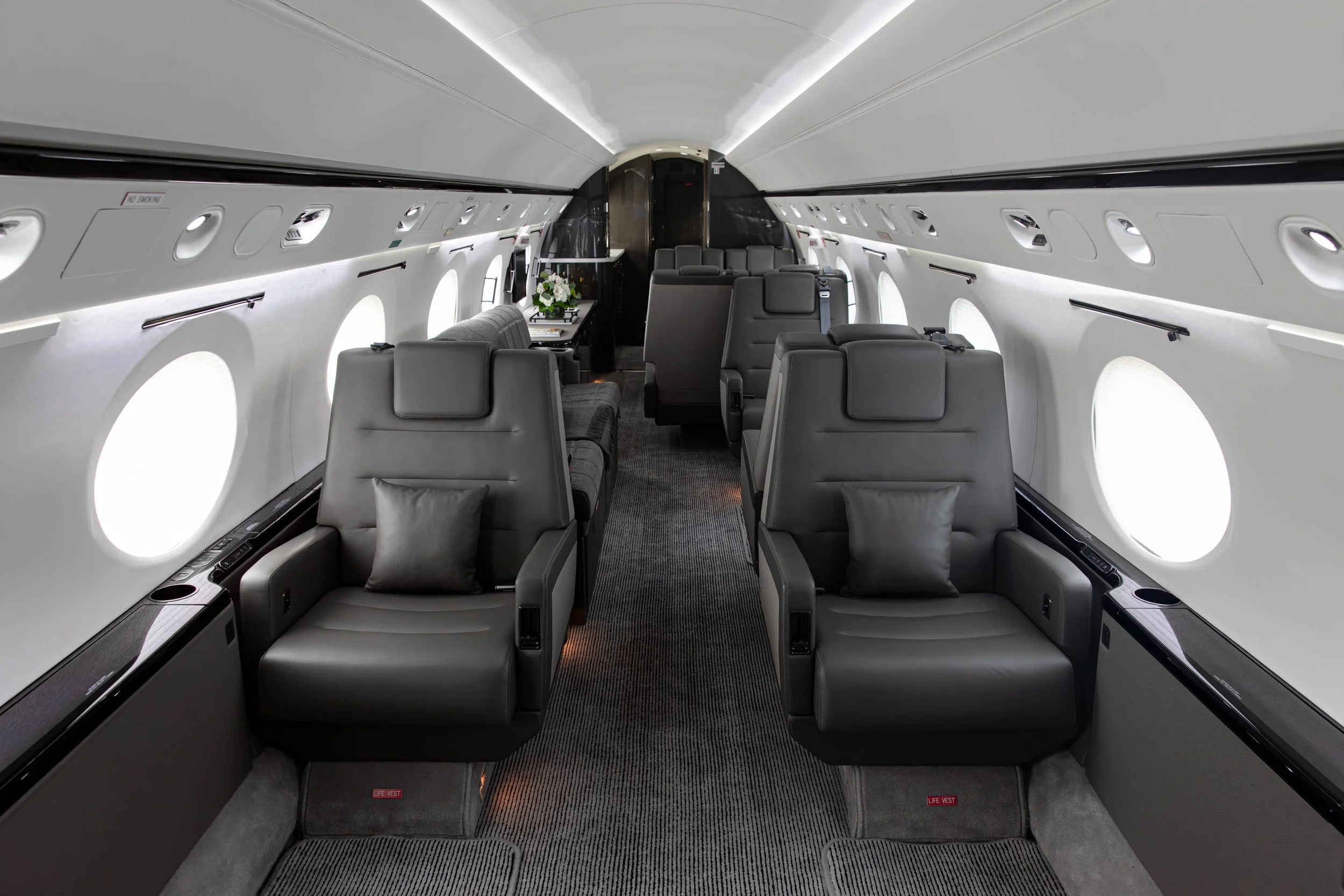
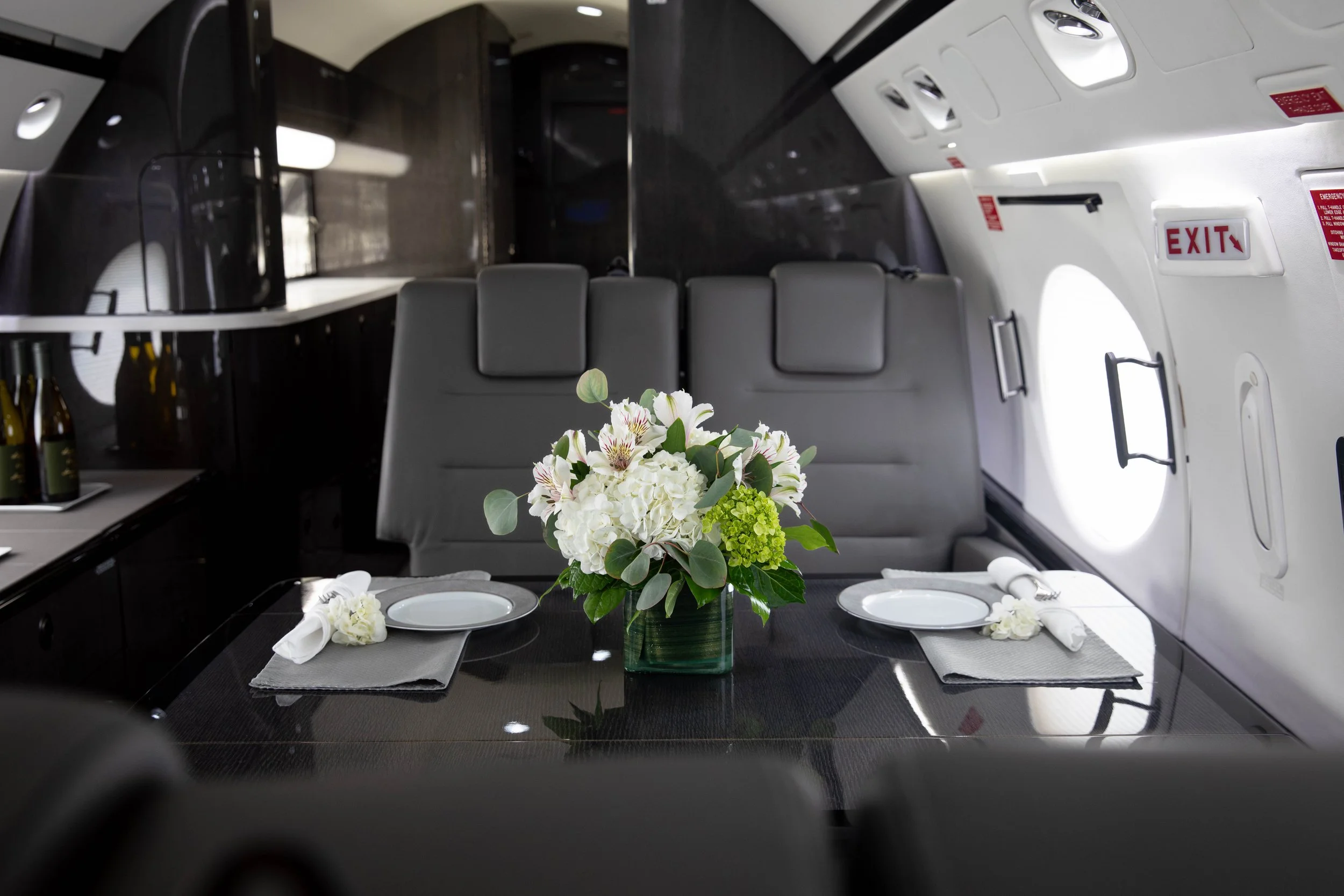
Shift from Heavy Wood and Dark Palette to Monochromatic Neutrality
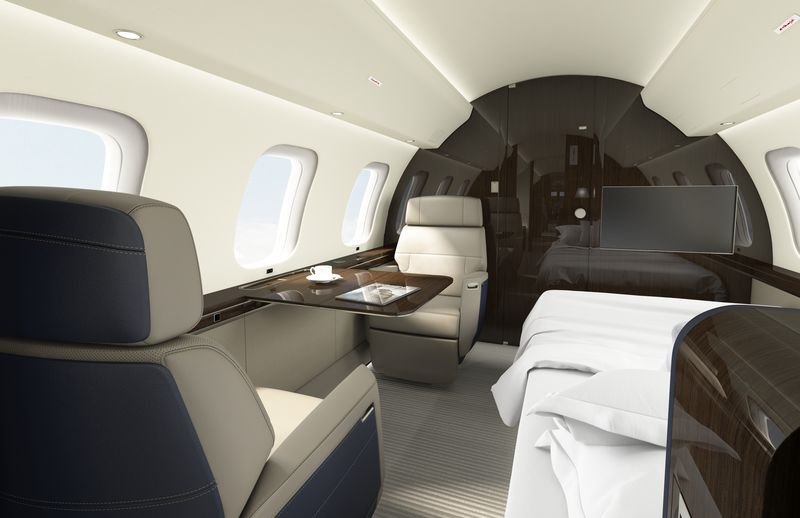
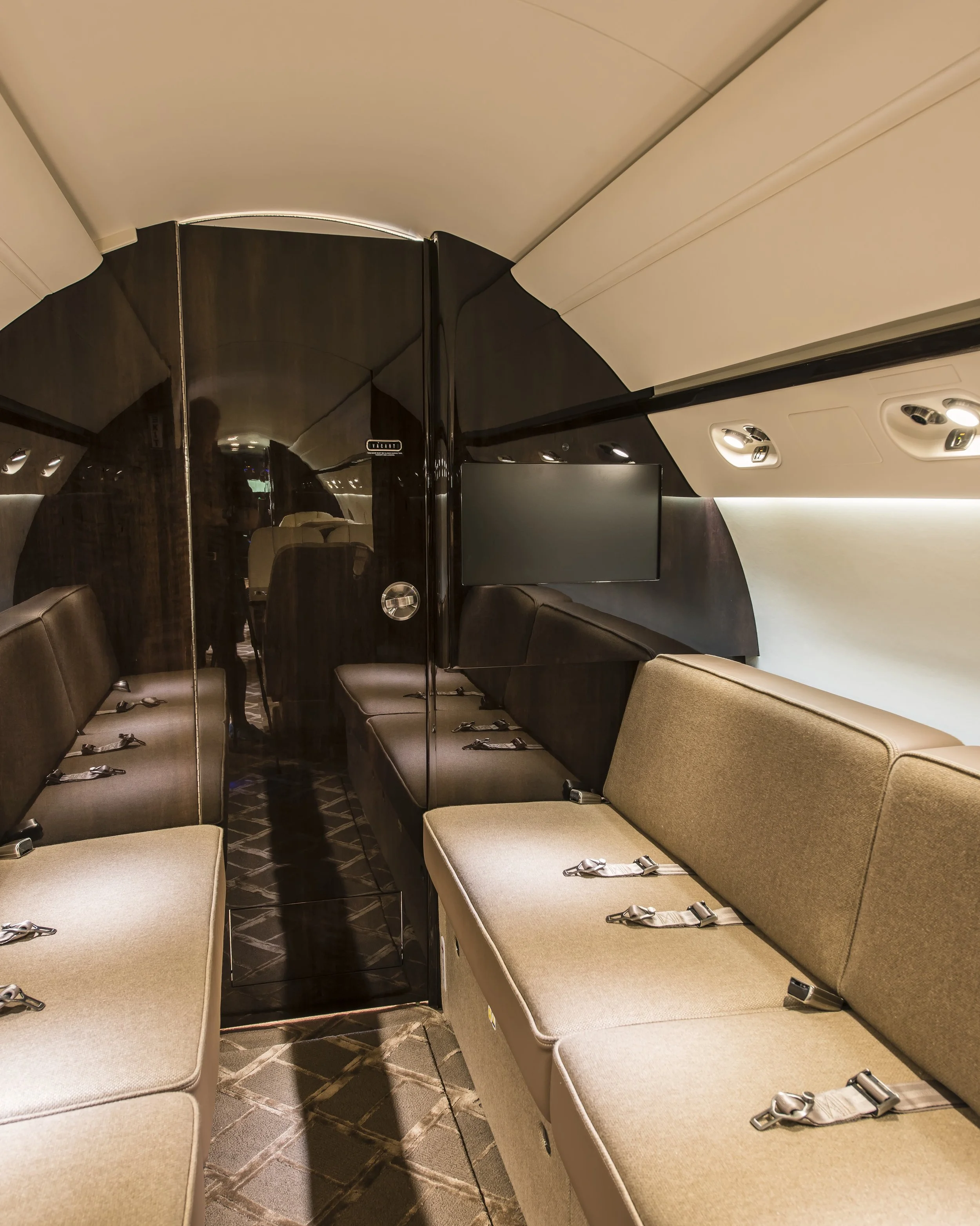
Older executive jets manufactured in the late 1990s and early 2000s were frequently designed with heavy gloss mahogany, high-contrast gold plating, and dark leather seating. Today, high-net-worth buyers favor bright, open cabin spaces that feel wide and calm.
According to interior refurbishment insights published by Latitude 33 Aviation in 2023, neutral color palettes create an expansive visual environment while maximizing natural light from cabin windows. Dark wood bulkheads can be replaced or re-veneered with light-toned matte finishes such as open-grain oak, quarter-sawn eucalyptus, or brushed satin nickel hardware.
Sarah Larranaga listens to what the owner wants and applies design principles to eliminate visual clutter in aging cabins. By using tonal variations of warm cream, taupe, and subtle grey across seating, sidewalls, and headliners, Sarah Larranaga creates a continuous line of sight that makes mid-size and large-cabin jets feel significantly more spacious.
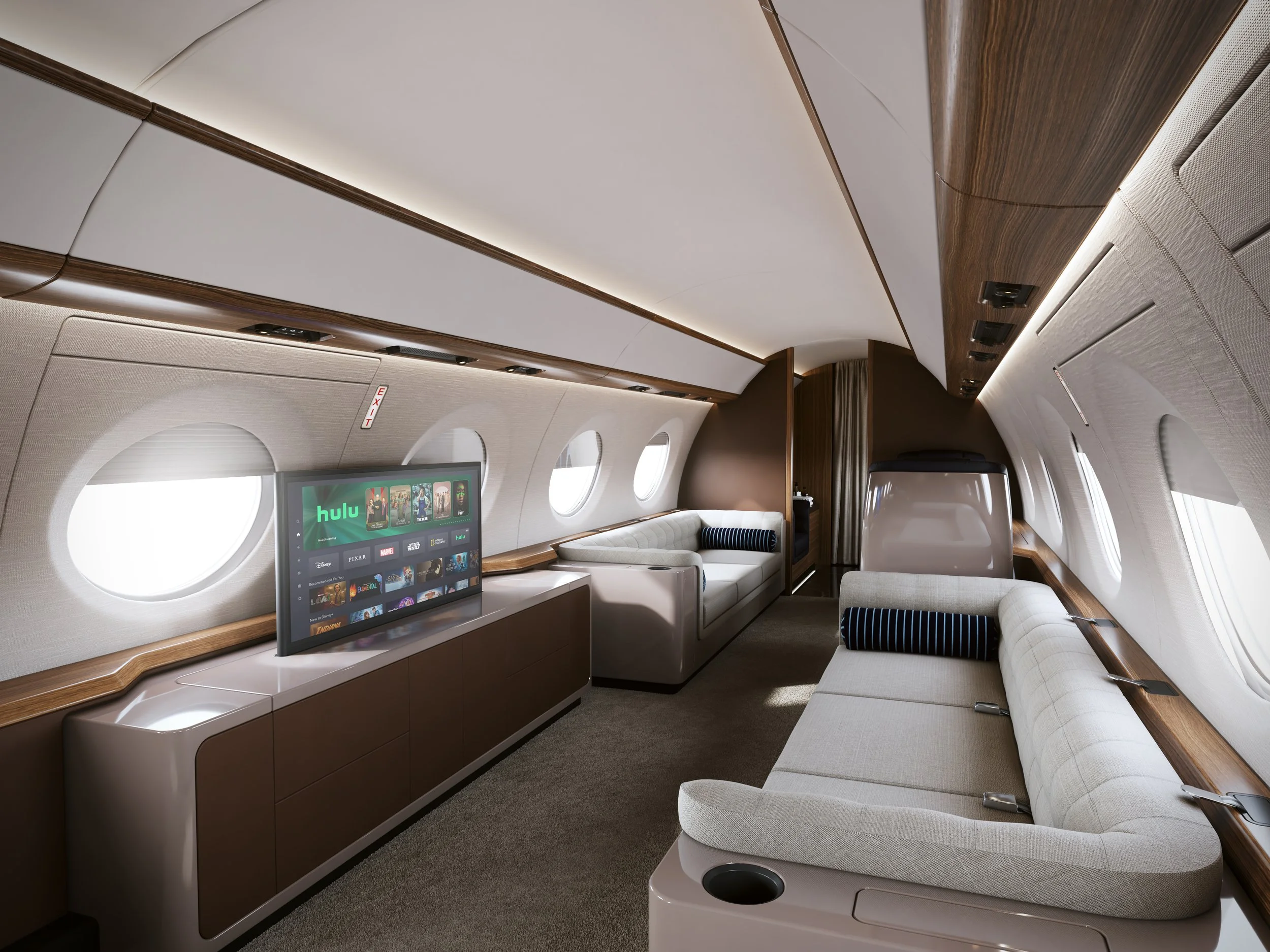
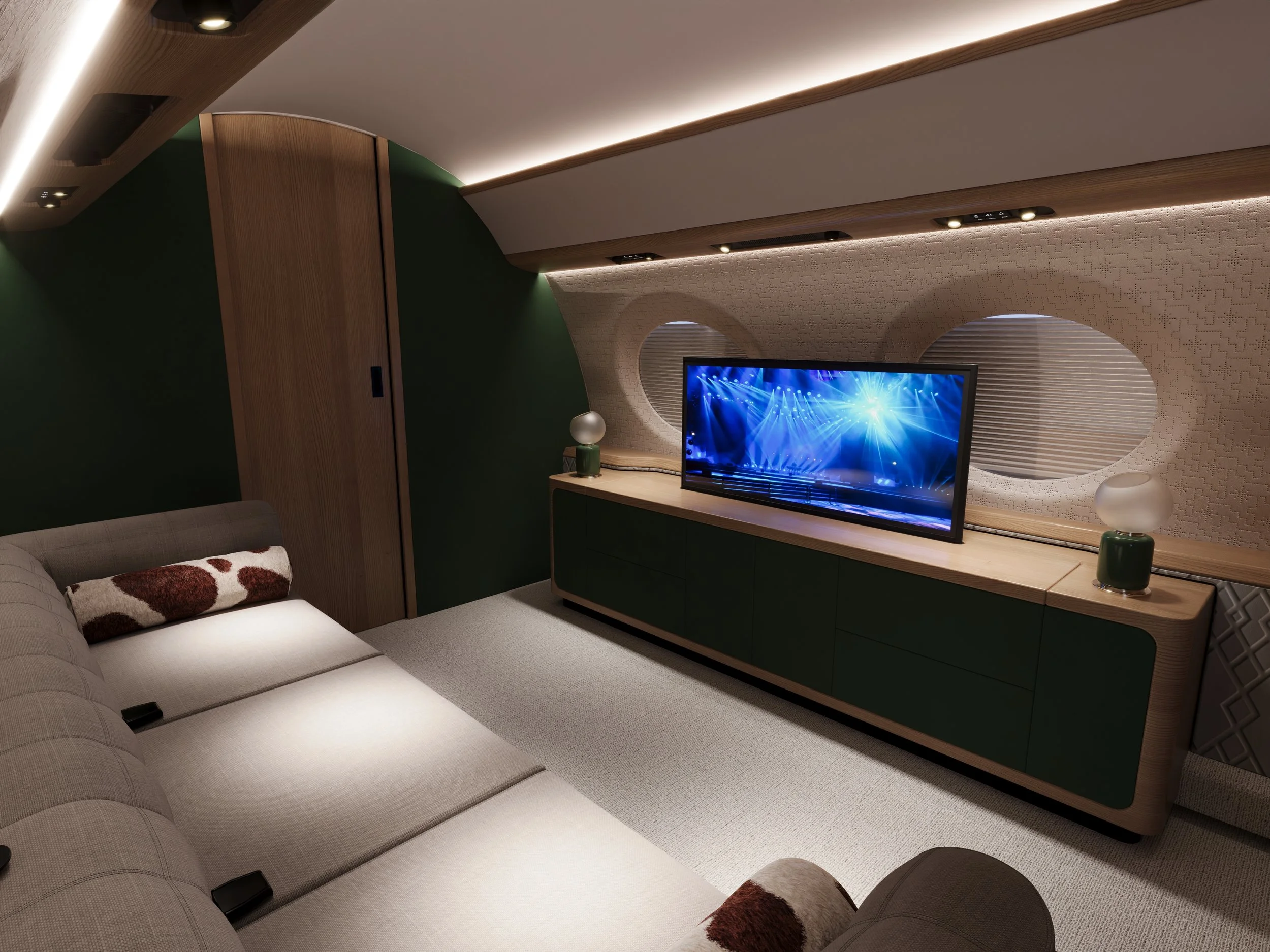
Upgrade Legacy Cabin Management and High-Speed Connectivity
An outdated cabin control panel immediately reveals an aircraft's age, regardless of how fresh the leather seating looks. Legacy switch panels and bulky CRT monitors frustrate passengers who expect seamless device integration during flight.
As documented in business aviation tech reports from Omni Aircraft Maintenance, modernizing a cabin requires replacing analog controls with intuitive touchscreens and wireless Cabin Management Systems (CMS). Upgrading inflight connectivity to high-speed satellite platforms such as Starlink allows passengers to stream media, participate in video calls, and control lighting directly from their personal smartphones.
Sarah Larranaga incorporates hidden charging ports, sleek mounts, and wireless charging pads directly into side ledge tables. This approach preserves clean architectural lines while bringing VIP aircraft interiors fully up to modern digital standards.
Replace Dynamic Cabin Lighting with Circadian LED Systems
Older quartz or fluorescent cabin lights draw excessive power, generate heat, and create harsh glare during long-range flights. Modern aircraft interior refurbishment projects prioritize multi-spectrum LED lighting packages that mimic natural sunlight cycles.
Recent research published by BlackJet Aviation Insights notes that circadian LED lighting systems synchronized with flight management data reduce jet lag and passenger fatigue on long-haul routes.
During retrofits, Sarah Larranaga replaces outdated lighting harnesses with customizable LED indirect wash lights. These systems allow passengers to transition smoothly from energetic daylight work modes to warm, amber relaxation tones for overnight flights.
Optimize Ergonomics with Low-Profile Seating and Acoustic Package Retrofits
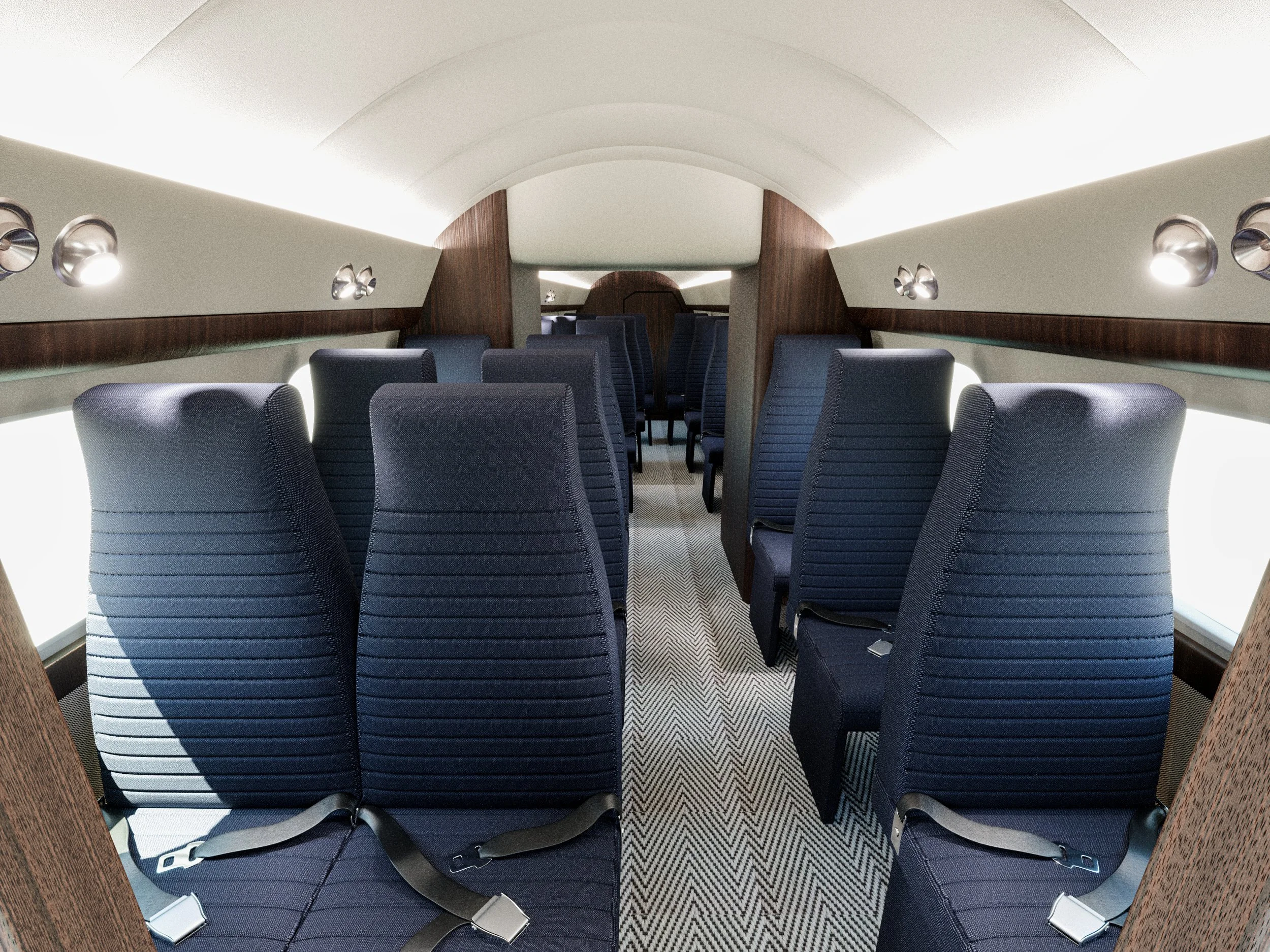
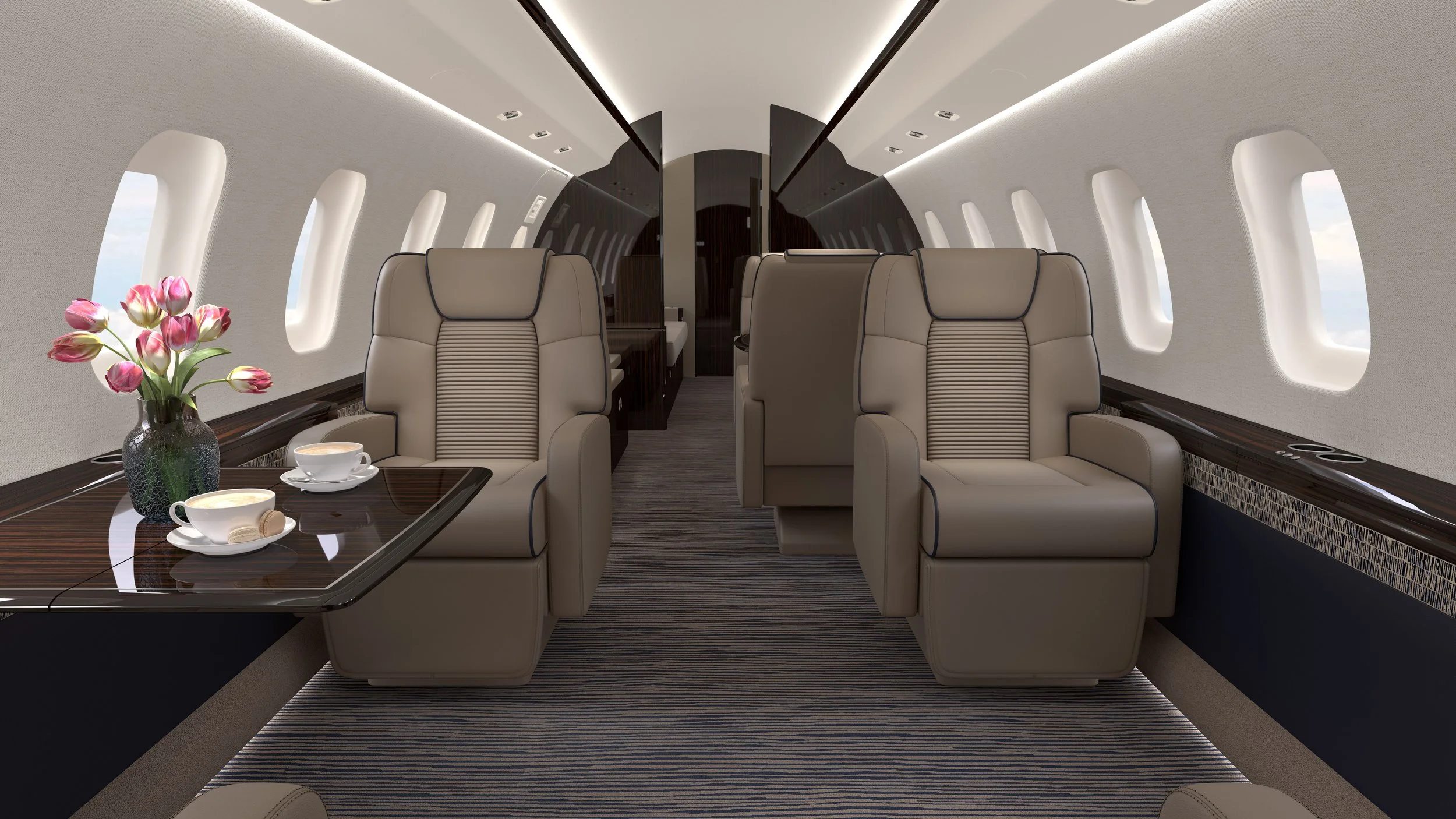
Legacy seats in older aircraft often suffer from collapsed foam cores, bulky armrests, and restrictive swivel mechanisms. In addition, older soundproofing insulation degrades over time, allowing engine vibration and wind noise to penetrate the seating area.
According to maintenance specifications from JetSupport, full seat restoration involves replacing worn internal foam with custom multi-density cushioning that maintains ergonomic support during extended flights.
Sarah Larranaga redesigns seat tailoring with slim-line shrouds, custom stitching, and double-needle contrast seams. Concurrently, lightweight acoustic insulation blankets are installed behind sidewalls and under carpet assemblies during the aircraft interior refurbishment. This combined effort reduces cabin noise by several decibels, transforming an aging cabin into a quiet, high-productivity environment.
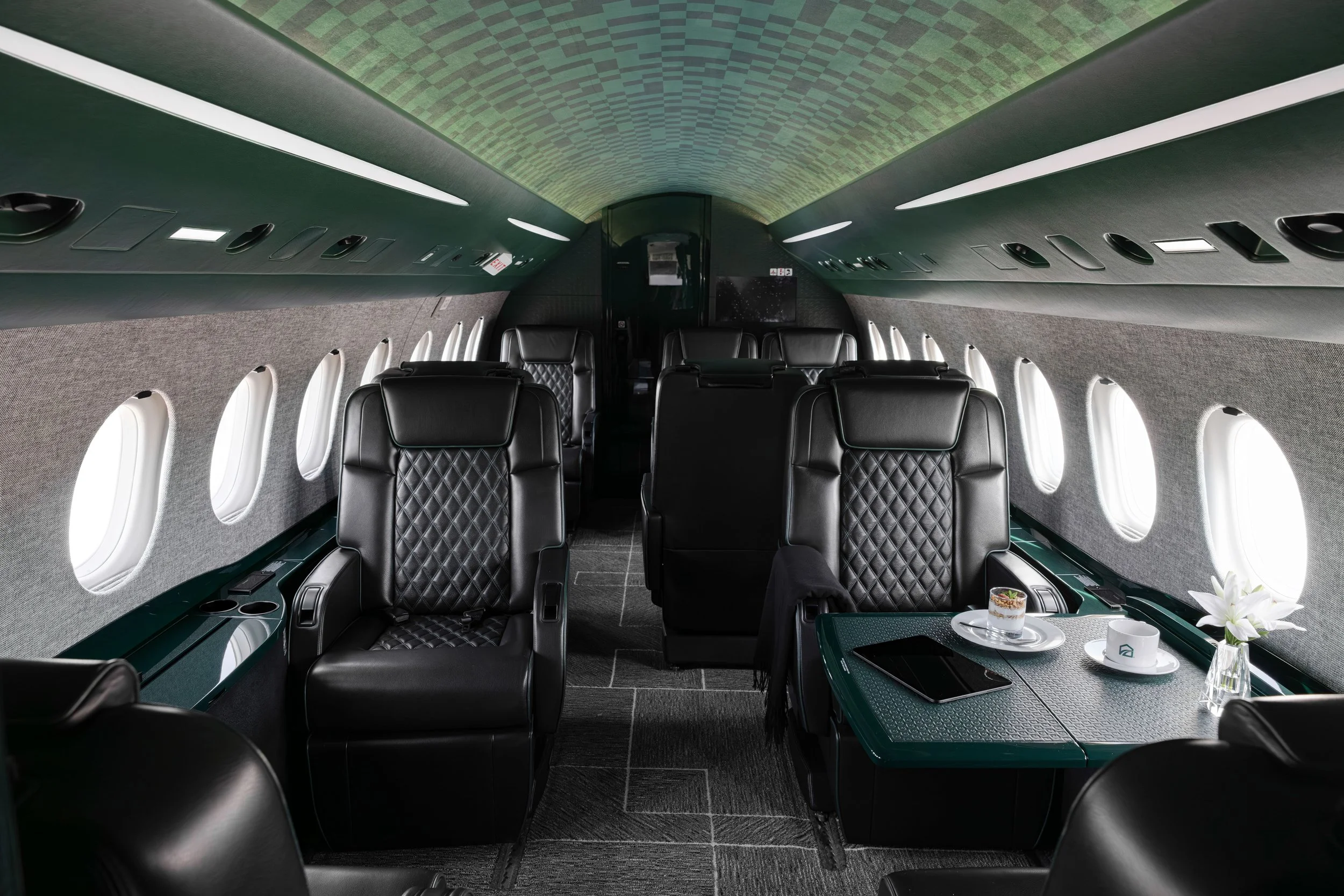
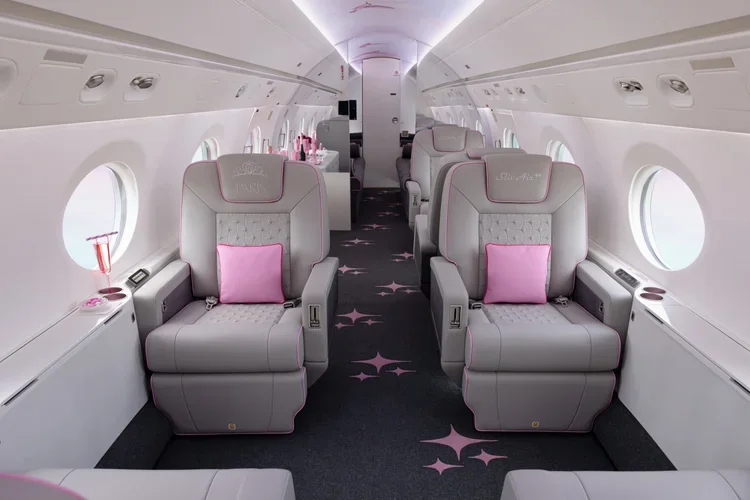
Protect Resale Liquidity through Intentional Design
Modernizing a cabin is an investment that directly impacts your aircraft's market liquidity. Overly personalized or eccentric color schemes can severely limit interest when it comes time to sell or charter your jet.
By working with a top private jet designer, owners ensure that every aesthetic update adheres to airworthiness certification standards while appealing to the broader global market. Sarah Larranaga delivers turnkey interior overhauls that honor the airframe's original engineering integrity while delivering modern luxury, quiet comfort, and long-term asset value.
Is your aircraft cabin ready for a modern transformation? Contact Sarah Larranaga Aviation Design to schedule a consultation on cabin layout re-engineering, CMS integration, and turnkey aircraft interior refurbishment solutions.