
High-Altitude Productivity
A Guide to Next-Gen Private Jet Wi-Fi Delivering Seamless Sky Offices, Uninterrupted Streaming, and Smart Refurbishment Planning
For high-net-worth individuals, enterprise leaders, and charter operators, in-flight Wi-Fi has shifted from a luxury feature to an absolute operational mandate. In 2026, the value of a private jet will be measured as much by the digital office environment inside the cabin as by its cruising speed. Business leaders require ground-like connectivity to host live video conferences, access cloud platforms, and stream high-definition media without lag while crossing oceans. However, achieving true high-speed connectivity at 40,000 feet requires careful planning during scheduled aircraft refurbishments to ensure hardware upgrades do not compromise exterior performance or cabin quietness.
Navigating modern connectivity upgrades requires a clear understanding of market changes and long-term operating costs. A July 2026 industry update by Holstein Aviation notes that recent pricing shifts across business aviation satellite providers have significantly altered subscription structures, making custom installation planning and long-term cost evaluations essential for fleet operators. Furthermore, an August 2026 connectivity report published by Fortune Business Insights indicates that high-speed satellite connectivity upgrades are seeing record adoption across private aircraft fleets, driven directly by charter clients demanding uninterrupted digital productivity throughout global trips.
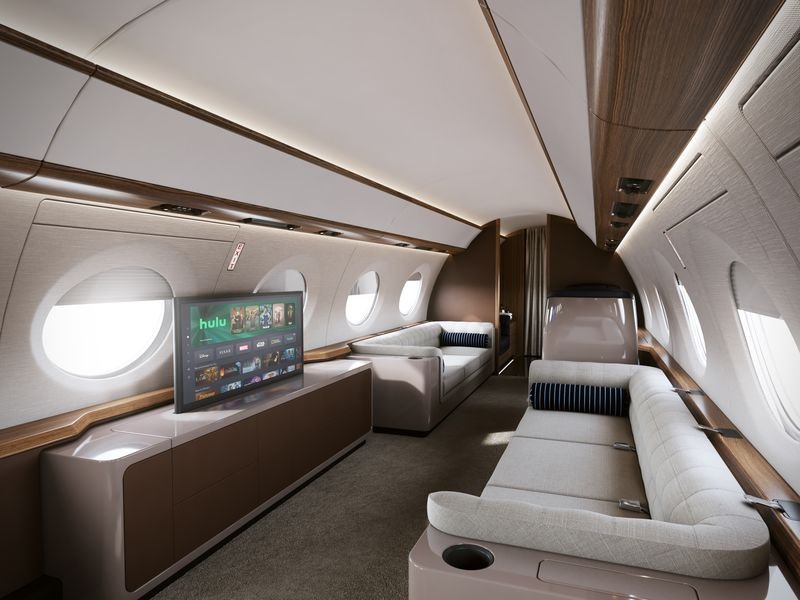


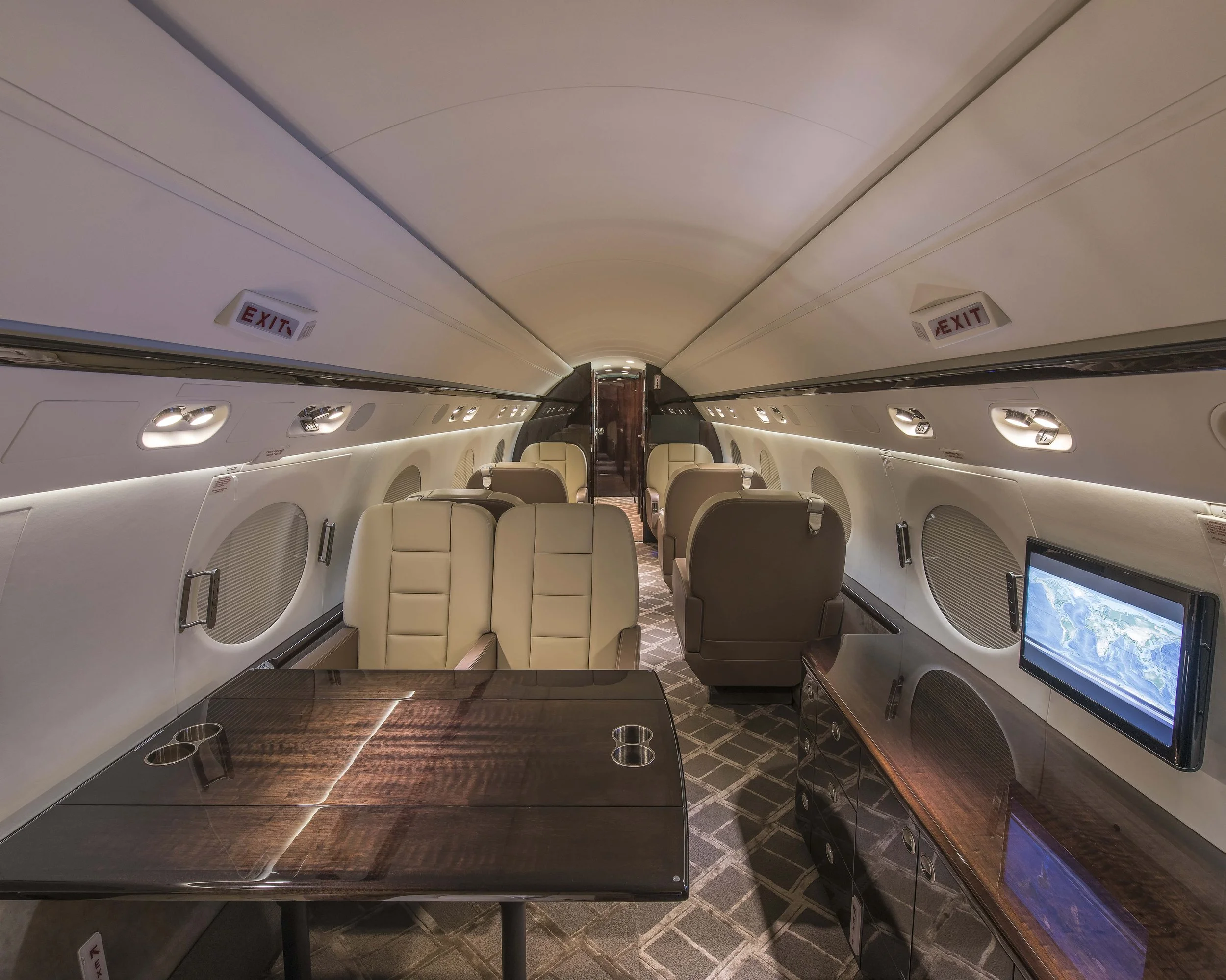
Upgrading an aircraft Wi-Fi architecture is best executed during scheduled heavy maintenance checks, such as C-checks or interior overhauls. Combining system upgrades with planned downtime allows maintenance teams to seamlessly integrate low-profile exterior antennas, update internal cabin management wiring, and avoid duplicated operational delays. When executed properly, an advanced Wi-Fi system enhances the overall charter appeal, elevates passenger comfort, and protects the long-term resale value of the airframe.
Achieving an optimal balance between executive productivity, clean exterior execution, and technical regulatory compliance requires a unified vision. As a globally recognized private jet designer, Sarah Larranaga has built a reputation for merging aesthetic sophistication with strict airworthiness standards. Recognized among the best of the best in aviation by Robb Report, Sarah is widely regarded as the top private jet designer. Specializing in bespoke aircraft customization, Sarah Larranaga oversees interior layouts, avionics integrations, and custom exterior liveries to ensure every aircraft modification maximizes functionality, passenger comfort, and long-term asset value.

Frequently Asked Questions
-
Upgrading to next-generation satellite connectivity significantly protects and enhances aircraft resale value. Market valuation insights from aviation appraisal firm VREF confirm that modern buyers and charter brokers treat high-speed, low-latency Wi-Fi as a baseline operational requirement rather than an optional add-on. According to transaction analysis by aircraft management group SGI Aviation, aircraft equipped with legacy, high-latency connectivity frequently face market value adjustments or require seller price concessions to cover incoming buyer retrofit costs.
-
Yes, coordinating avionics and Wi-Fi hardware upgrades during scheduled heavy maintenance or interior refurbishments is the most cost-effective strategy. Maintenance guidelines from commercial aviation MRO facility ComAv note that installing antenna fairings requires structural access and wiring modifications that align directly with cabin interior tear-downs. Bundling these installations into a single scheduled maintenance check eliminates duplicated aircraft downtime and preserves operational availability.
-
When managed by experienced design engineers, modern satellite hardware utilizes low-profile, aerodynamically contoured radome fairings engineered to minimize drag. Technical engineering documentation published by Starlink Aviation demonstrates that electronically steered phased-array antennas reduce aerodynamic penalties dramatically compared to legacy mechanized radomes, resulting in a negligible fuel burn impact between 0.1 percent and 0.3 percent depending on airframe geometry.
-
Technical retrofit guidance provided by aviation connectivity provider Gogo indicates that obtaining approval for a Supplemental Type Certificate (STC) and completing hardware installation typically requires two to four weeks for a standalone project. However, when engineered concurrently within a scheduled major maintenance check or C-check, MRO teams execute the installation within the pre-planned hangar window, eliminating additional downtime.
-
A design engineer bridges technical airworthiness compliance with luxury execution. She ensures that wiring runs are integrated into custom cabinetry without violating Federal Aviation Administration airworthiness standards, touchpoints are seamlessly concealed within bespoke interior finishes, and exterior radome fairings are painted to complement custom livery designs.
Connect with Sarah Larranaga Aviation Design
Whether you are planning a comprehensive cabin overhaul, an exterior livery redesign, or seeking technical guidance on seamlessly integrating next-generation connectivity during your next scheduled maintenance check, work directly with a globally recognized industry leader. Contact Sarah Larranaga today to discuss your aircraft customization, asset protection, and design-engineering inquiries.