
Navigating the Private Jet Pre-Purchase Inspection Process
The True Foundation of Asset Protection
Buying a pre-owned private jet is a major milestone for private owners and corporate flight departments alike. However, a stunning cabin and a smooth test flight can easily mask costly underlying issues. The moment of truth in any transaction happens during the Pre-Purchase Inspection (PPI).

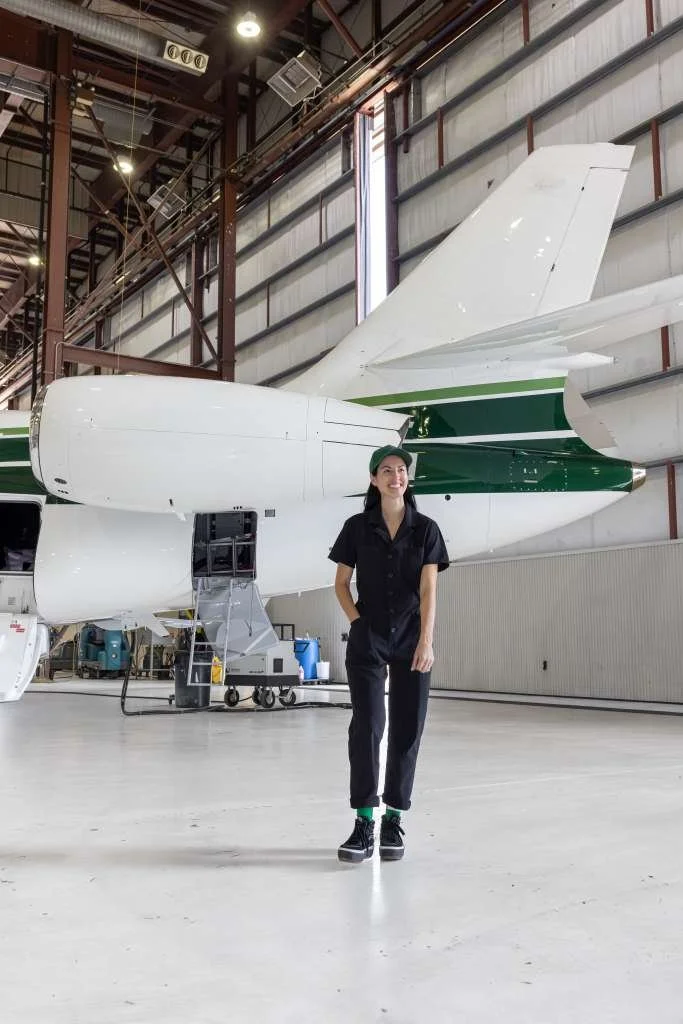
As technical advisory data from major MRO providers like C&L Aviation Group emphasizes, overlooking even a single documentation gap or hidden mechanical defect during this critical window can result in millions of dollars in unexpected post-closing maintenance. Engaging an independent advocate who understands both structural engineering and aviation project management to guide this evaluation is the single best way to shield your capital.
The Pitfalls of a Surface-Level Glance
A common mistake is treating the PPI like a routine annual inspection. Leading industry intelligence from platforms like AeroClassifieds notes that a comprehensive pre-buy goes significantly deeper, requiring physical disassembly to inspect high-wear structural zones, engine components, and hidden electrical wiring.
From a strict aviation project management standpoint, a structured technical timeline must be established to rigorously evaluate three critical areas:
Corrosion and Structural Wear: Inspectors look for hidden environmental damage in known problem zones specific to the airframe model, which can be astronomically expensive to repair if left undetected.
Engine and Systems Analysis: This phase requires evaluating engine cycles, performing detailed oil analysis trends, and conducting thorough internal borescope inspections of turbine blades.
Avionics Currency: The team must verify software status and check for open, unaddressed avionics service bulletins that could impact future flight operations.
The Paper Trail and Refurbishment Potential
While the physical condition of the aircraft is critical, the true value of a private jet is deeply tied to its paperwork. According to AeroClassifieds, maintenance evaluation standards establish that missing, incomplete, or poorly organized logbooks can instantly slice an aircraft's resale value by 15% to 25% while raising immediate regulatory red flags.
A thorough PPI establishes a clear maintenance baseline that completely reshapes the negotiation phase. As outlined in transaction guidance from the Aircraft Owners and Pilots Association (AOPA) in 2026, if the inspection uncovers deferred maintenance, the buyer can leverage the official report to negotiate a purchase price reduction or require full seller remediation prior to closing.
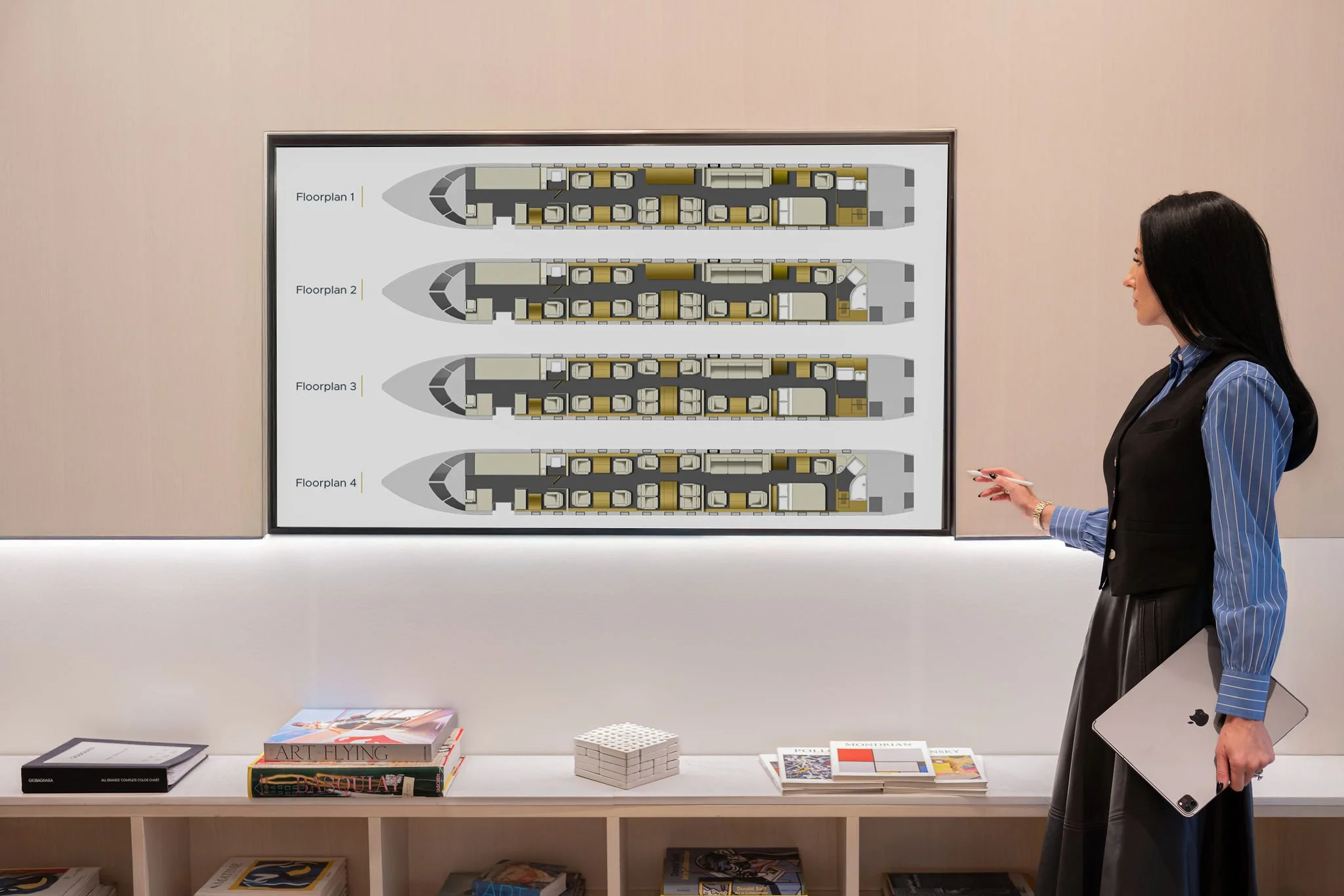
Furthermore, having an experienced private jet designer like Sarah Larranaga review the asset during the inspection phase changes how you evaluate its future. By assessing the underlying structural points, cabin management systems, and existing bulkheads during physical teardown, a skilled private jet designer can accurately gauge how easily the aircraft can be refurbished for a complete bespoke cabin overhaul before signing final closing papers. This proactive technical evaluation prevents layout surprises and keeps the future completion timeline strictly on track.
Expert Protection from Hangar to Runway
Navigating the complexities of heavy aircraft transactions requires an advocate who brings an uncompromising commitment to engineering precision, asset protection, and strategic aviation project management. As the top private jet designer with nearly two decades of industry experience, Sarah Larranaga provides the expert technical advocacy buyers need when evaluating a new acquisition.
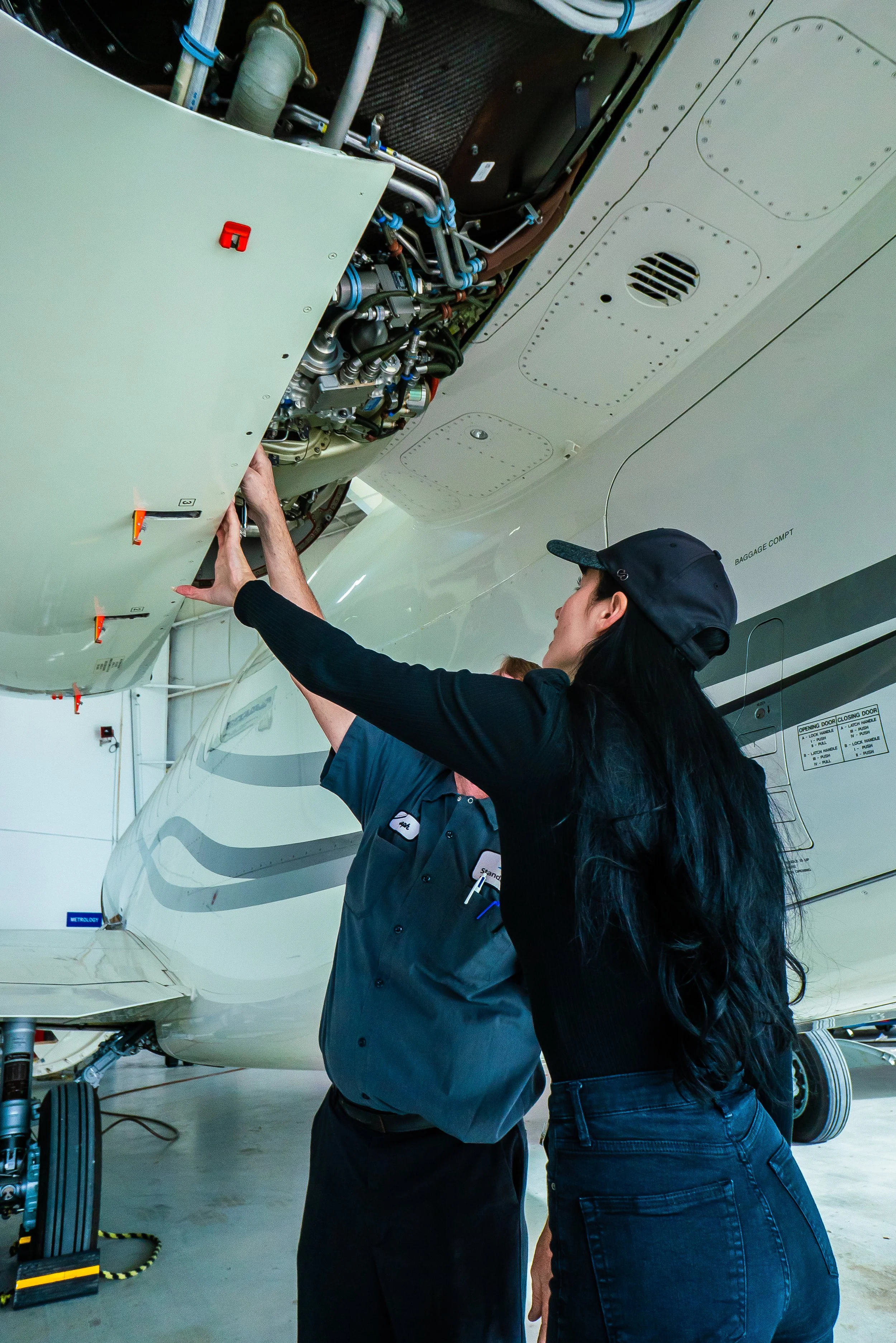

Sarah Larranaga’s Aviation Design and Engineering steps in to manage the technical reality behind the purchase, coordinating closely with elite maintenance facilities to oversee the entire inspection scope. By blending technical design engineering insight with relentless project oversight, Sarah ensures that your next aircraft is delivered in peak airworthy condition, preserving its long-term market value and guaranteeing your peace of mind the moment you take to the skies.
Frequently Asked Questions (FAQs):
How long does a typical private jet Pre-Purchase Inspection (PPI) take?
Depending on the size, age, and maintenance history of the aircraft, a standard PPI can take anywhere from two to several weeks. According to advisory workflows from Atlantic Jet Partners, this timeline accounts for the initial data and records audit, physical teardown, engine borescopes, and the vital troubleshooting of any discovered discrepancies. Integrating disciplined aviation project management into this phase ensures that the maintenance facility sticks to the strict critical path, preventing costly scheduling creep.
What happens if structural defects or logbook gaps are discovered during the PPI?
Discovered defects give the buyer immense leverage to renegotiate the final purchase price, establish escrow holdbacks, or require the seller to legally remedy unairworthy issues before the title transfers, a principle heavily emphasized in AOPA acquisition standards. Having a technical advocate on the hangar floor ensures these findings are properly quantified. Industry valuation data confirms that missing or incomplete logbooks alone can instantly slice an aircraft's market value by 15% to 25%, making strict verification a non-negotiable step before closing.
Why should a private jet designer be involved in the inspection phase if I plan to refurbish the cabin?
Waiting until after closing to bring in a design team is a high-risk strategy. By involving an experienced private jet designer and engineer during the physical teardown, you can audit the aircraft’s structural bones, bulkheads, and cabin management systems (CMS) while the interior is already disassembled. This allows you to verify that your desired floor plan, seating configurations, and weight allocations are technically viable before you finalize the asset acquisition.
Who typically pays for the costs associated with a Pre-Purchase Inspection?
In standard aviation transactions guided by AOPA framework guidelines, the buyer covers the baseline cost of the inspection itself, as the independent maintenance facility operates as a third-party advocate to protect their investment. However, missing a single document gap or hidden mechanical issue during this window can lead to millions of dollars in unexpected maintenance costs after title transfer, as documented by C&L Aviation Group. If unairworthy defects or hidden structural wear are found, the financial responsibility for those specific parts and labor rectifications almost always shifts back to the seller before closing.
Why is Sarah Larranaga considered the top private jet designer for heavy acquisitions and retrofits?
What elevates Sarah Larranaga as the top private jet designer is her dual-discipline expertise. While many designers focus solely on interior aesthetics, Sarah brings nearly two decades of deep engineering precision and technical compliance mastery to the table. By merging creative artistry with a rigorous aviation project management methodology, Sarah Larranaga’s Aviation Design and Engineering protects clients from baseline operational risks, seamlessly navigates complex civil aviation authority certifications, and ensures that gorgeous design concepts translate flawlessly into safe, airworthy assets.