
How a Private Jet Designer Balances Custom Liveries With FAA Compliance
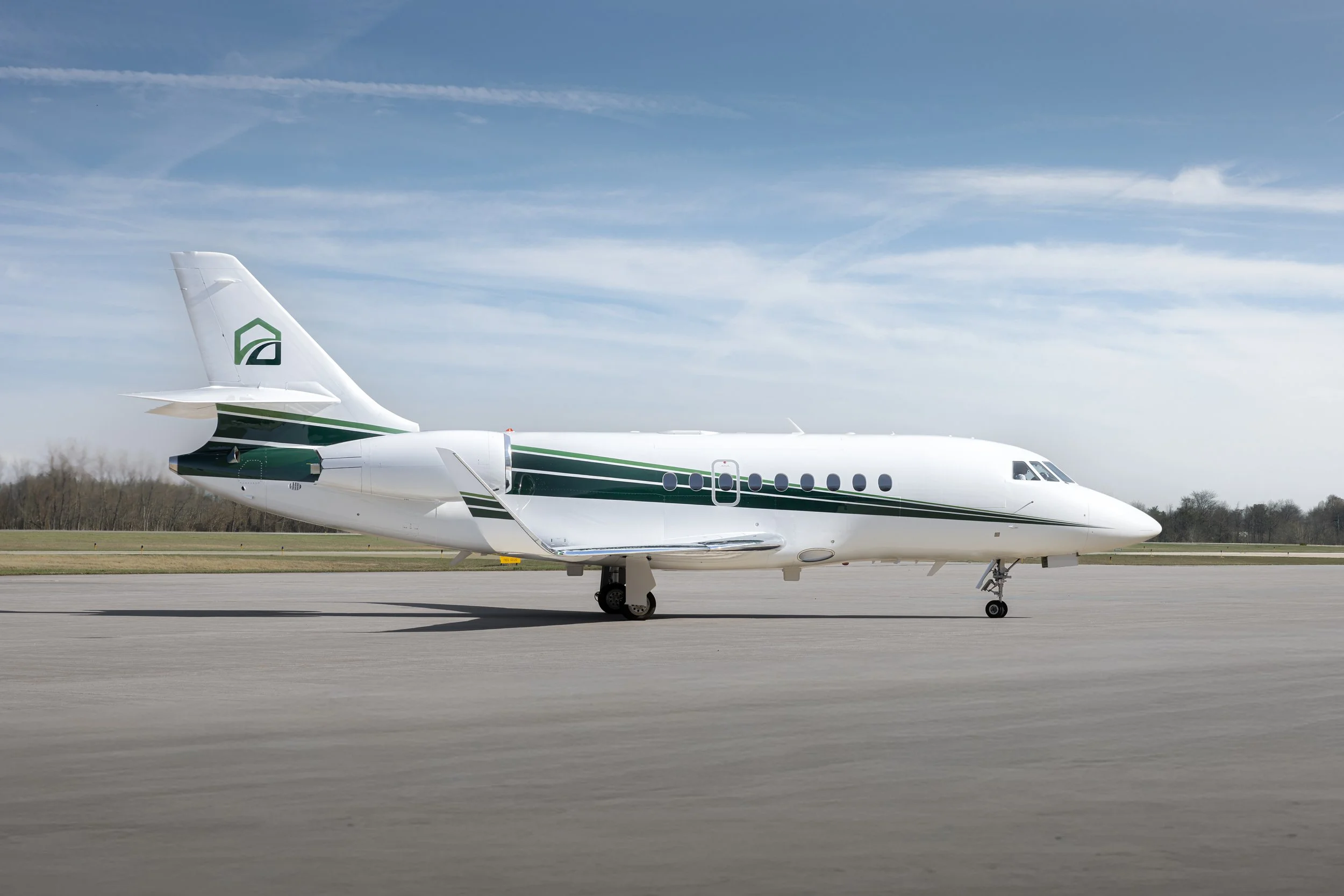
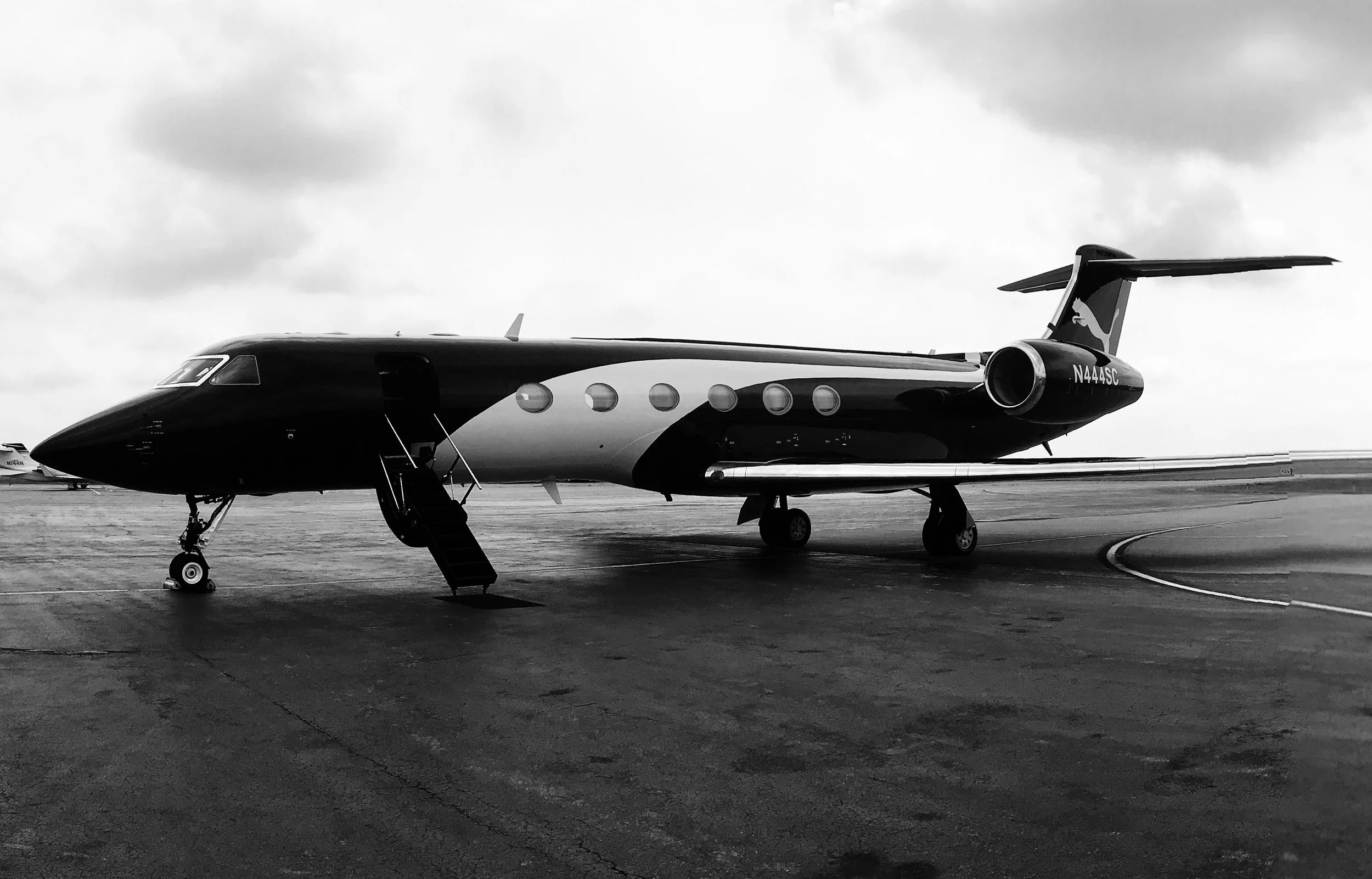
A private jet’s exterior is the first thing anyone sees on the ramp. According to AvBuyer, a business aircraft’s paint design shapes first impressions and supports an owner’s wider marketing efforts. Modern private jet design therefore reaches well beyond a standard white fuselage, and livery is one part of the wider move toward bespoke aircraft customization. Every stripe, color and registration mark still has to respect the aircraft’s aerodynamics, its structure and federal rules. Paint also does practical work. C&L Aviation Group notes that corporate aircraft typically need repainting every five to ten years to protect against corrosion, and that damage can stay hidden under old paint until it is stripped.



The 5-Step Exterior Livery Process
A custom livery follows a controlled engineering and finishing sequence. It is built around FAA guidance such as Advisory Circular 43.13-1B, which sets out acceptable methods for aircraft inspection and repair, including corrosion control. For a broader look at how design and certification intersect, see this briefing on design engineering in private jet customization.
3D Surface Modeling and Registration Mark Layout
The lead private jet designer maps the graphics onto 3D CAD models of the airframe. Stripes are aligned with panel lines and seams, and kept clear of static ports and sensors. Registration marks are governed by 14 CFR Part 45. Under section 45.29, marks on most fixed-wing aircraft must be at least 12 inches high. Duncan Aviation adds that the characters must contrast with the base color and be formed with lines one-sixth as thick as the character is tall. The livery is therefore designed around the marks, not the other way around.Chemical Stripping and Substrate Inspection
Existing paint is removed, and technicians inspect the bare aluminum and composite surfaces. Any corrosion found is treated before anything is sprayed, in line with the maintenance standards of 14 CFR Part 43. C&L Aviation Group advises owners to confirm whether a quote includes a full chemical strip or only sanding, because the two approaches reveal very different amounts about the condition underneath.Corrosion-Inhibiting Primer and Base Coats
Airframes receive epoxy primers for corrosion protection, followed by durable polyurethane base coats, as described in the FAA Aviation Maintenance Technician Handbook. These coatings have to withstand constant UV exposure, moisture and repeated temperature swings between hot ramps and cold cruise altitudes.Precision Masking and Custom Detailing
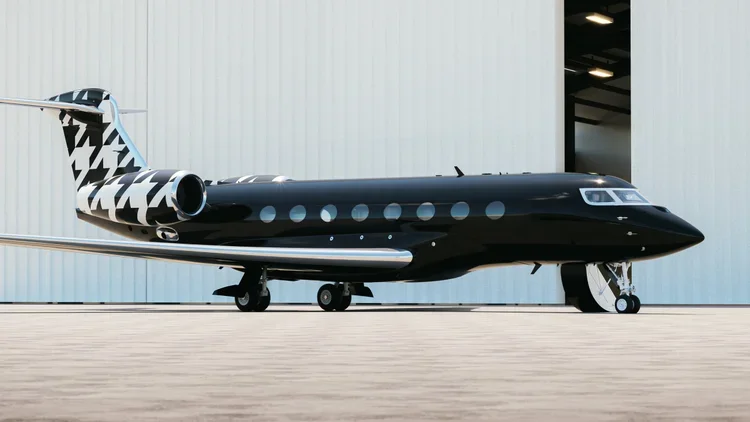
Every additional color means masking the rest of the aircraft and waiting for each coat to dry, as C&L Aviation Group explains. Paris Hilton’s Gulfstream G450 “SlivAir,” designed by Sarah Larranaga, shows how far this can go. StandardAero reports that its Springfield paint team used lasers for straight waterlines and laid out the rest by hand. Every pink accent was masked and painted with no vinyl decals, using only three exterior colors, including a bespoke shade now recognized by PPG as Paris Pink. The tri-stage pearl finish took five coats: two white, one pearl and two clear. The project was also covered by Robb Report.Curing, Control Surface Balancing and Return to Service
After the paint cures, the moveable control surfaces are checked and rebalanced, because added paint weight can upset their balance. The stakes are real. According to Flying Magazine’s review of the NTSB findings, a Grob G115D broke up in flight from rudder flutter after maintenance personnel failed to rebalance the flight controls following a repaint. Weighing the aircraft afterward is required only in certain situations, per C&L Aviation Group, but weight and balance must stay within limits, so many owners weigh it anyway. The work is then documented in the aircraft’s maintenance records.
Custom exterior livery for Paris Hilton’s Gulfstream G450 - SlivAir
Timeline Expectations & Investment
Downtime depends on aircraft size and design complexity. Duncan Aviation lists a standard strip and repaint at 22 calendar days, with long-range aircraft and custom schemes taking longer. Its specialists told AvBuyer to expect about two weeks for a light jet, up to four weeks for a large jet, and five to six weeks for the largest ultra-long-range aircraft with elaborate schemes.
Published pricing from C&L Aviation Group gives a useful benchmark for a standard scheme (a single-color base coat with three stripes in two colors):
Standard scheme: about $65,900 for a light jet up to $180,900 for a super-midsize jet, taking four to eight weeks.
Accent colors: $2,500 to $3,500 per additional stripe or color.
Metallic stripes: $3,000 to $6,000 per stripe.
Split-base scheme: $6,500 to $17,000, with the top and underside of the fuselage in different colors.
Cost depends on aircraft size, design complexity, and logos or decorative images.
What to Ask Before Choosing a Private Jet Designer or Paint Facility
Owners looking for the best private jet designer for an exterior project are really asking whether one team can manage design, engineering and paint execution together. C&L Aviation Group suggests a few questions worth asking:
Does the quote include a full chemical strip, a high-build primer and a clear coat?
Can the facility repair corrosion found underneath?
What does the warranty cover? C&L cites two to three years or 1,500 flight hours as typical.
Will control surfaces be rebalanced and the aircraft weighed afterward?
Why Design and Engineering Need to Work Together
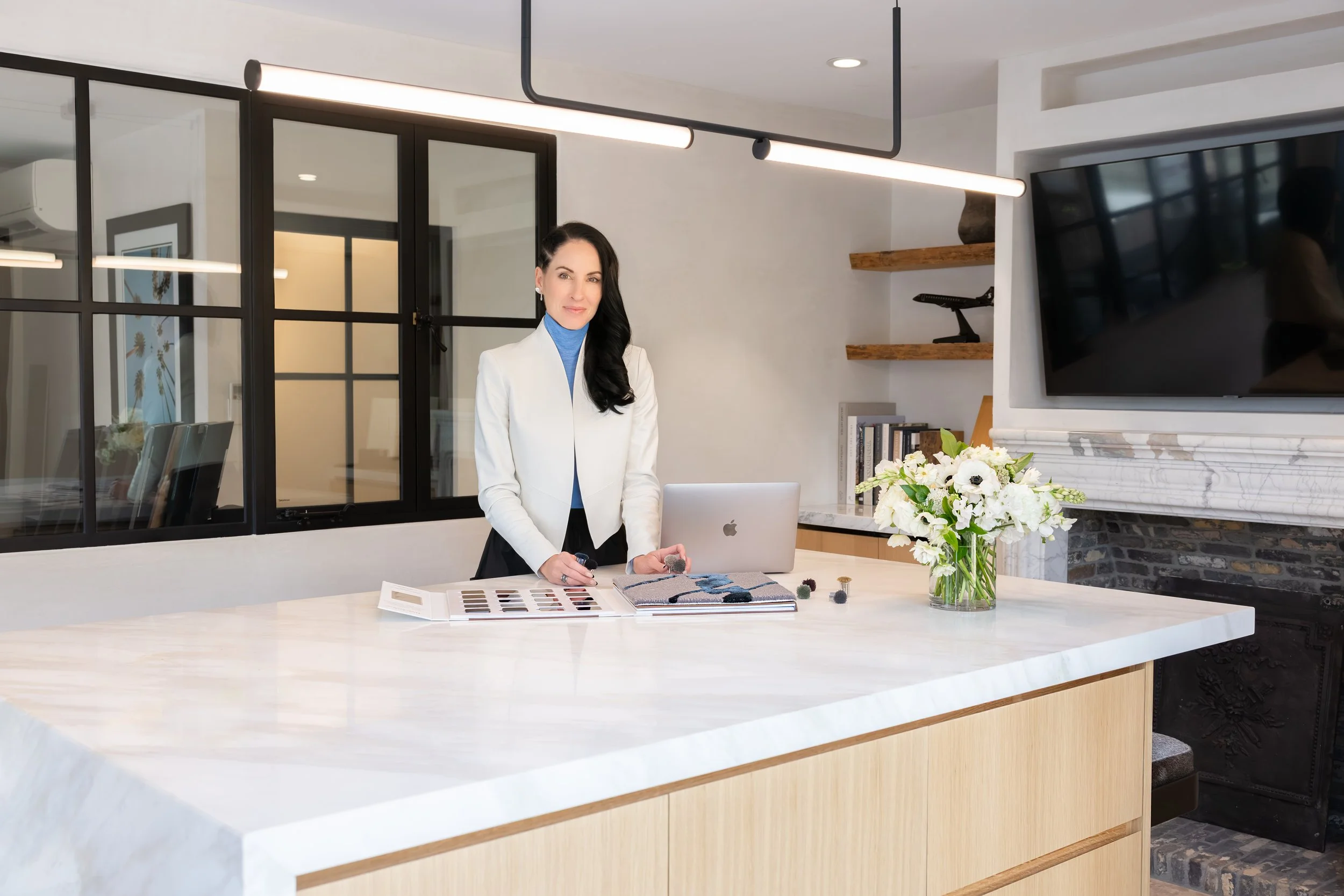
An experienced private jet designer coordinates the artistic direction with registration rules, surface finish limits and structural considerations. Sarah Larranaga leads Sarah Larranaga Aviation Design, which offers exterior paint design and oversight alongside VIP private jet design. A top private jet designer for Gulfstream and Bombardier aircraft, she is also a globally recognized private jet designer and an award-winning aviation design engineer, featured in Robb Report’s Best of the Best in Aviation. You can read more about her recognition in this briefing on Sarah Larranaga as a private jet designer.
To discuss a custom livery or exterior refresh, contact Sarah Larranaga Aviation Design by clicking the button below.