
The Unseen Risk in Aircraft Ground Handling Operations
How Rigorous Aviation Project Management Protects Multi-Million Dollar Aircrafts while on the Ramp
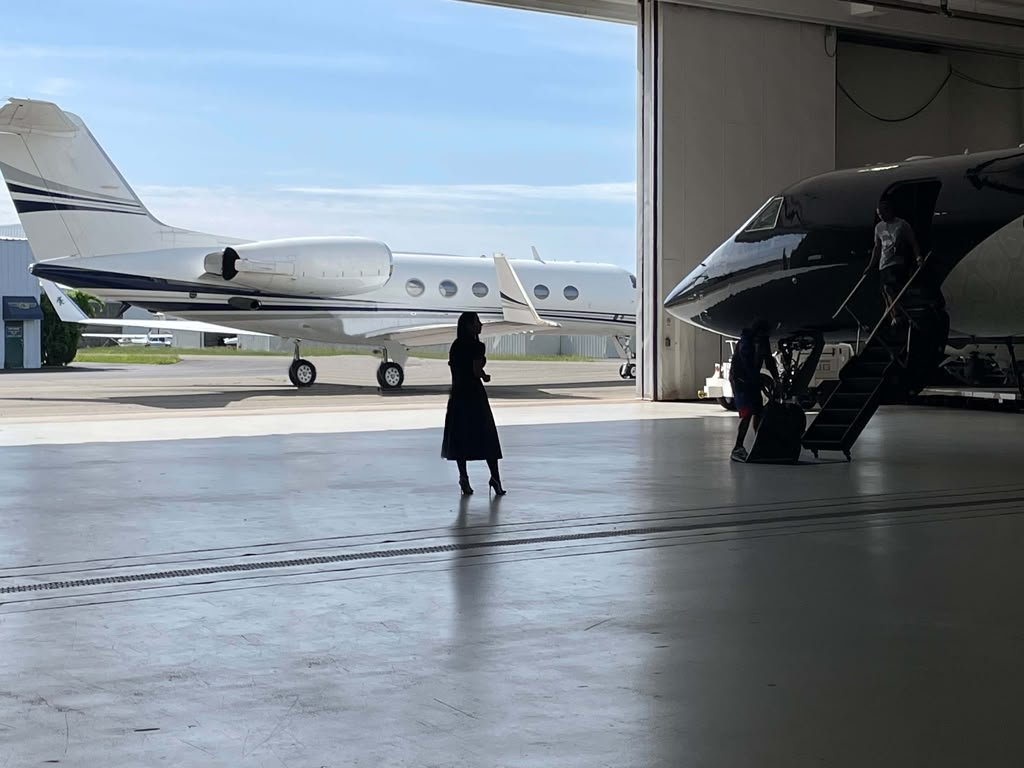
The private aviation industry operates within highly congested, fast-paced ground environments. As ramp activity remains high, one of the most critical technical risks facing corporate flight departments is 'procedural drift'—a systemic hazard frequently highlighted by the Flight Safety Foundation. Procedural drift refers to the slow, often unnoticed deviation from Standard Operating Procedures (SOPs) by ground handlers, mechanics, and servicing crews.
Because minor shortcuts may not immediately trigger an accident, these small deviations gradually become normalized into daily operations. According to data published in the International Air Transport Association (IATA) 2025 Annual Safety Report, more than 29,000 aircraft ground damage incidents were reported globally in a single year, highlighting ground handling as one of the industry's most persistent financial and operational exposures.
According to the National Business Aviation Association (NBAA), ground hazards during servicing and maneuvering represent one of the most preventable threats to business aircraft. For private aircraft owners, a single towing error, a misplaced hangar stanchion, or an improperly positioned fuel truck can cause severe "hangar rash." These seemingly minor ground incidents carry devastating consequences: they can instantly compromise an airframe's structural integrity, trigger immediate aircraft on ground (AOG) status, and erase millions of dollars in asset value. Preventing this structural erosion requires an uncompromising safety culture that treats ground logistics with the same strict checklist discipline applied to an active flight deck.
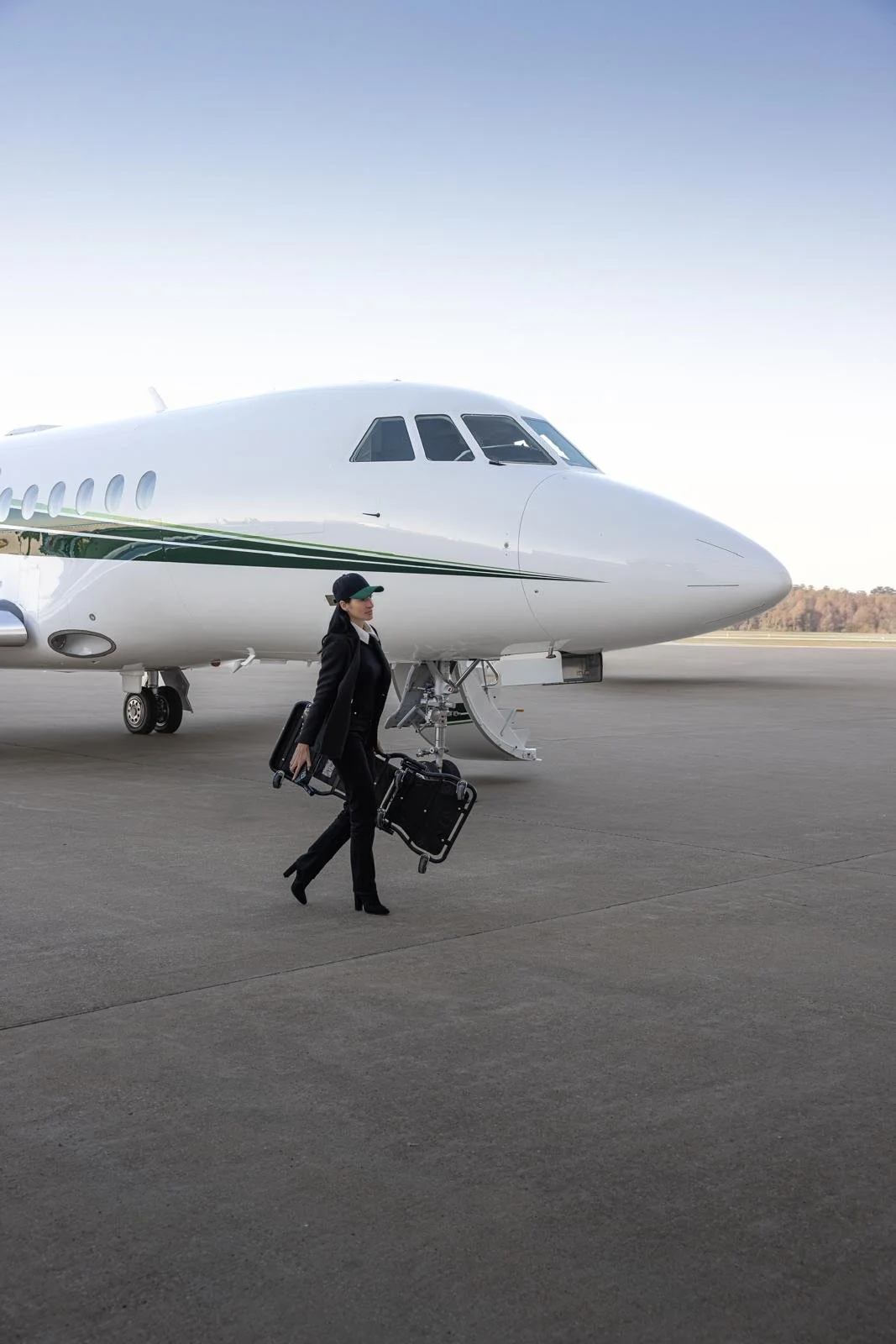
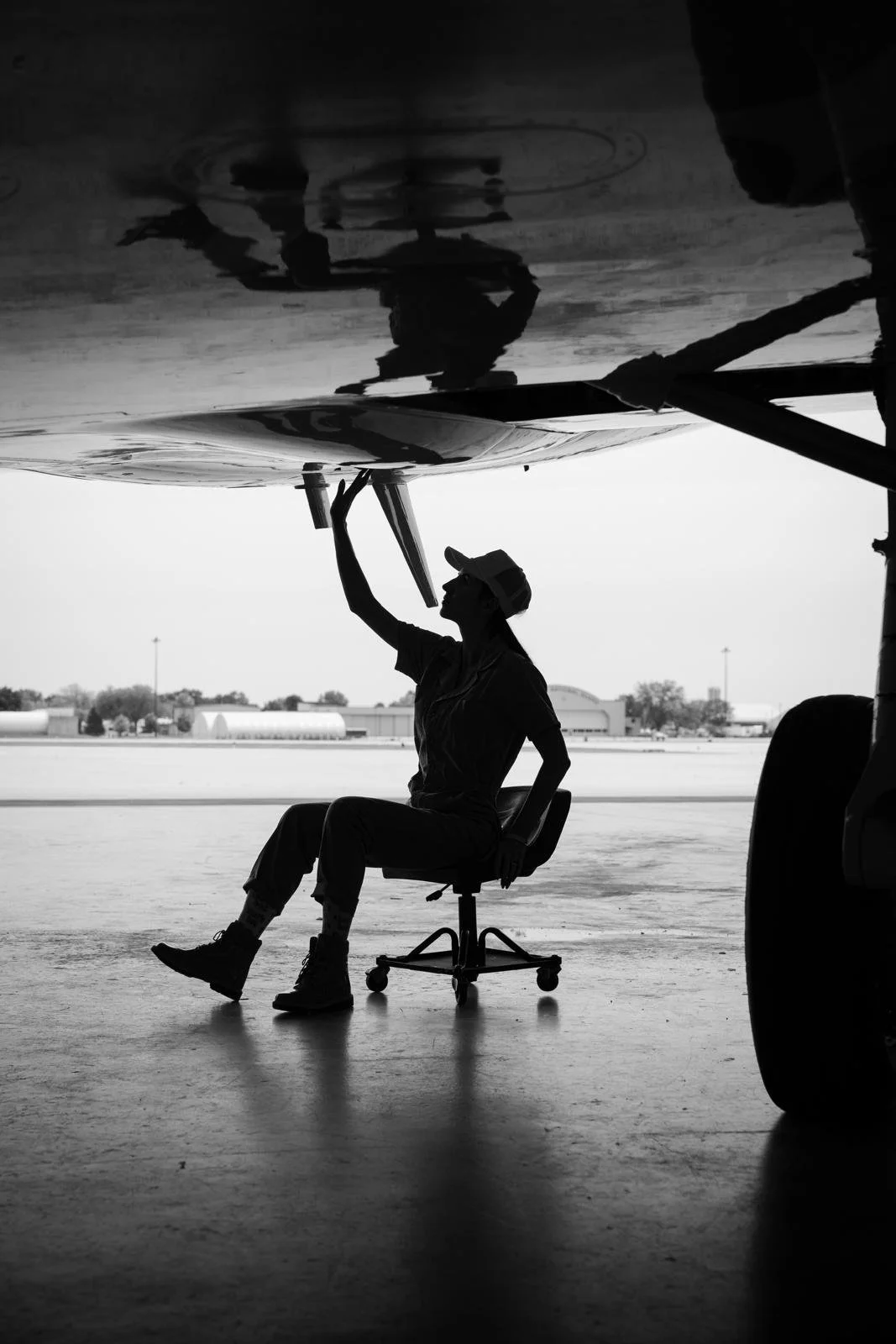
This absolute operational precision is a core focus for Sarah Larranaga, a globally recognized private jet designer and the principal behind her newly opened Los Angeles design studio. While widely regarded as a top private jet designer, Sarah's engineering foundation means her oversight extends far beyond interior cabin fabrics and visual aesthetics. Her team applies authoritative aviation project management to ensure that technical execution on the hangar floor matches the precise standards required by the original airframe manufacturers.

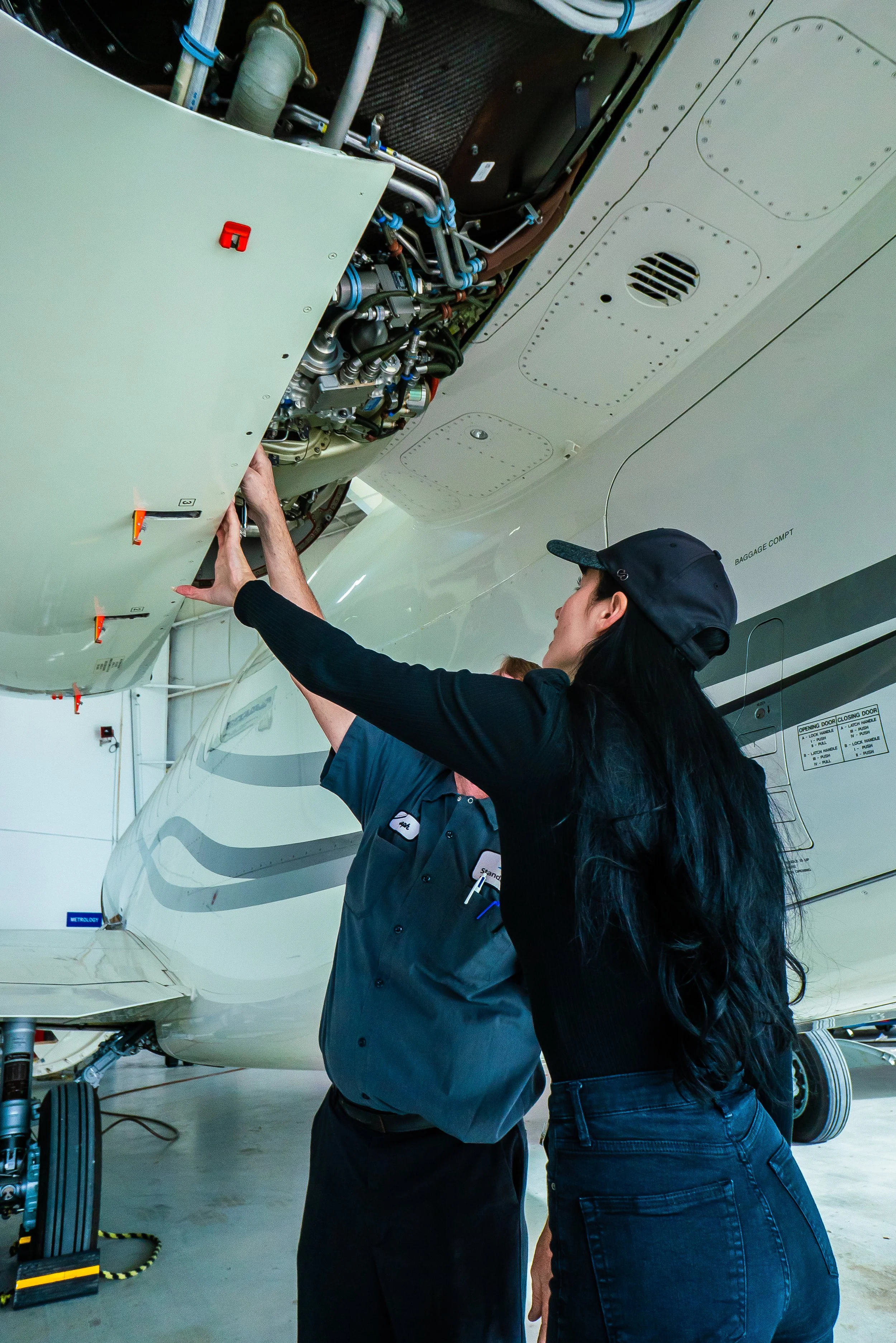
During heavy modification cycles, such as bespoke private jet design projects that include both custom interior reconfigurations and complex exterior design livery execution, the physical risk to the airframe is naturally amplified. Dozens of specialized structural technicians, avionics installers, and equipment operators must interface with the aircraft simultaneously. Sarah mitigates these physical threats by embedding rigid safety protocols directly into her design engineering controls and maintenance oversight workflows. By actively monitoring for the early indicators of procedural drift and enforcing a zero-tolerance policy for ground deviations, Sarah protects the physical skin and complex instrumentation of the aircraft throughout its entire time in the hangar.



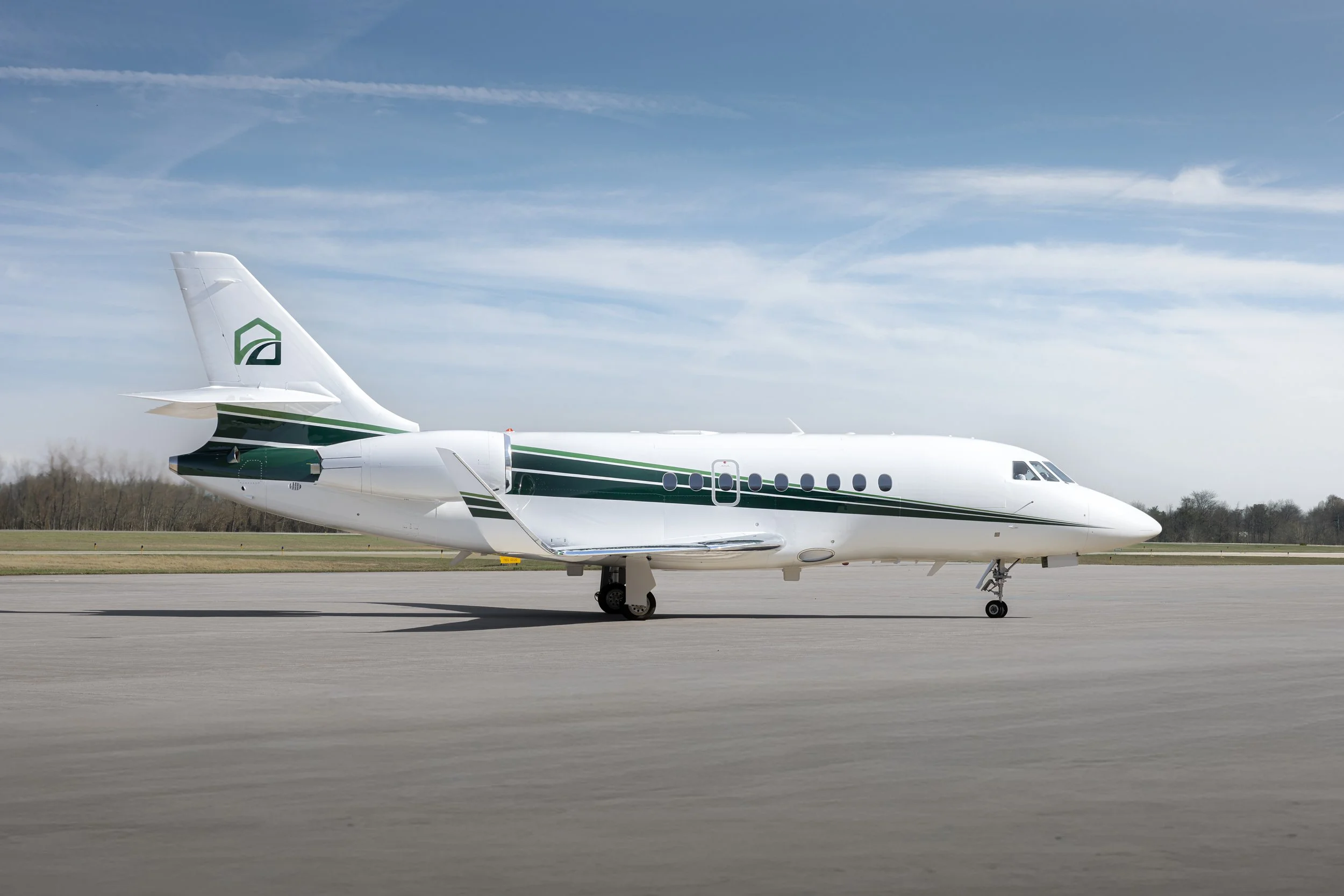
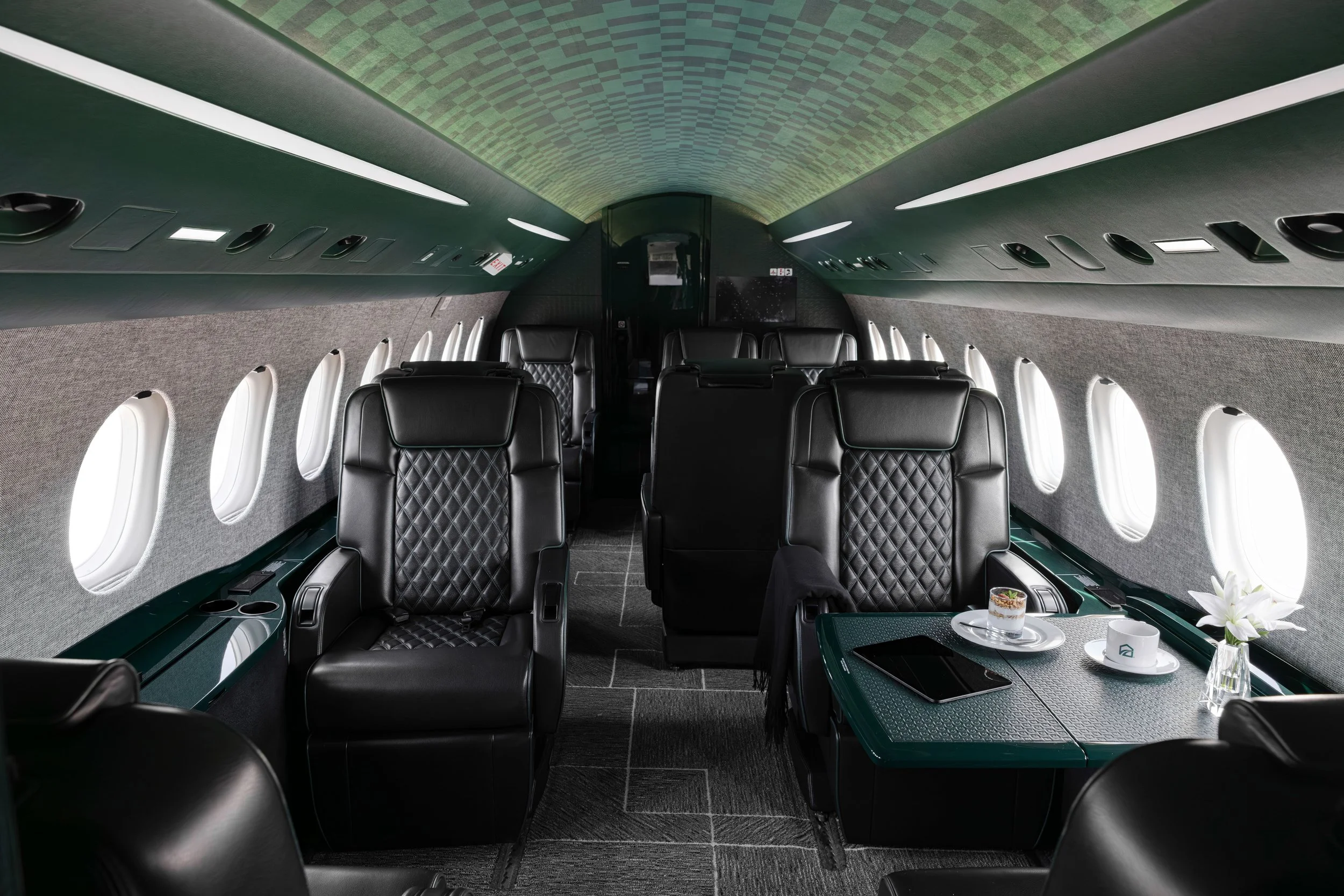
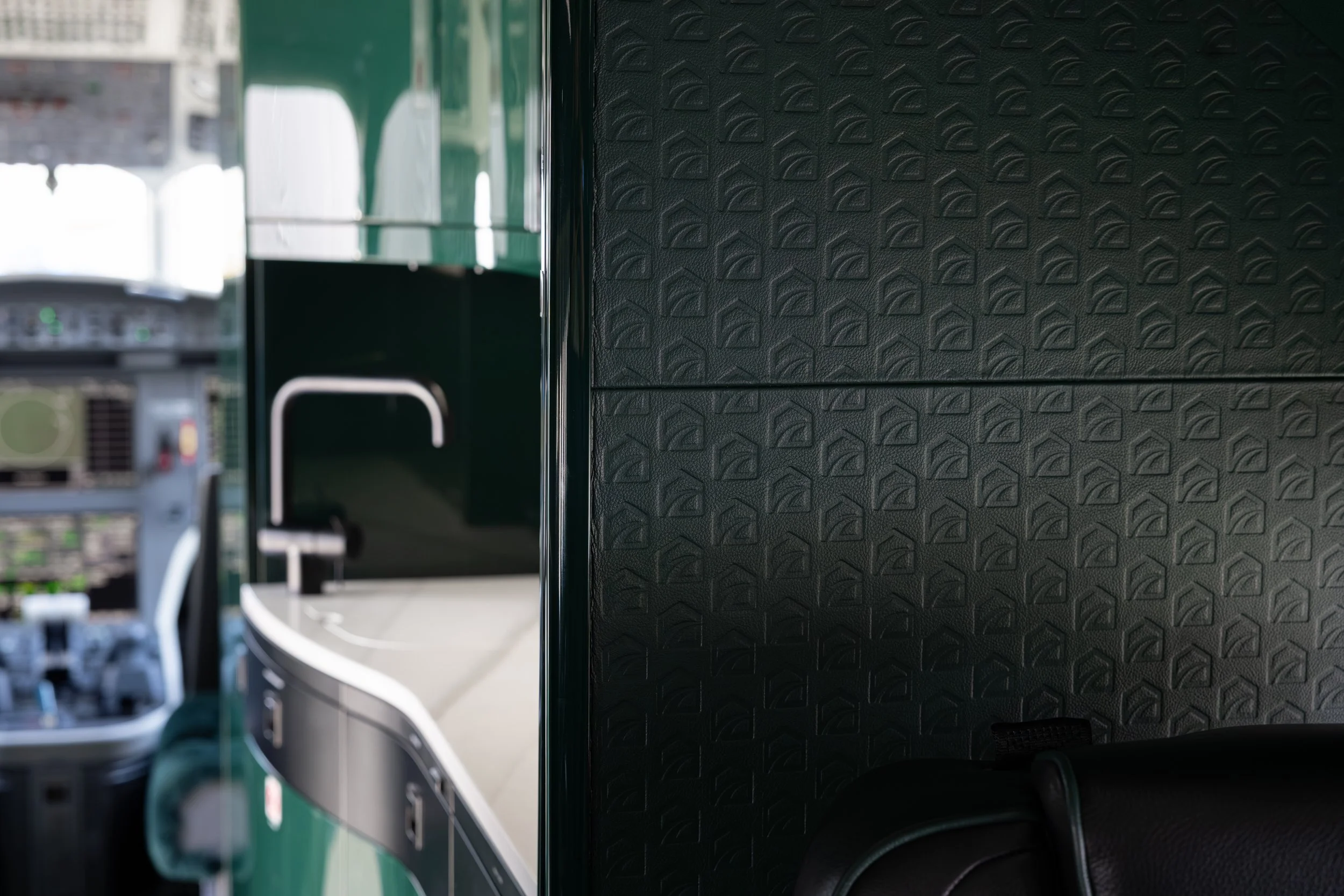

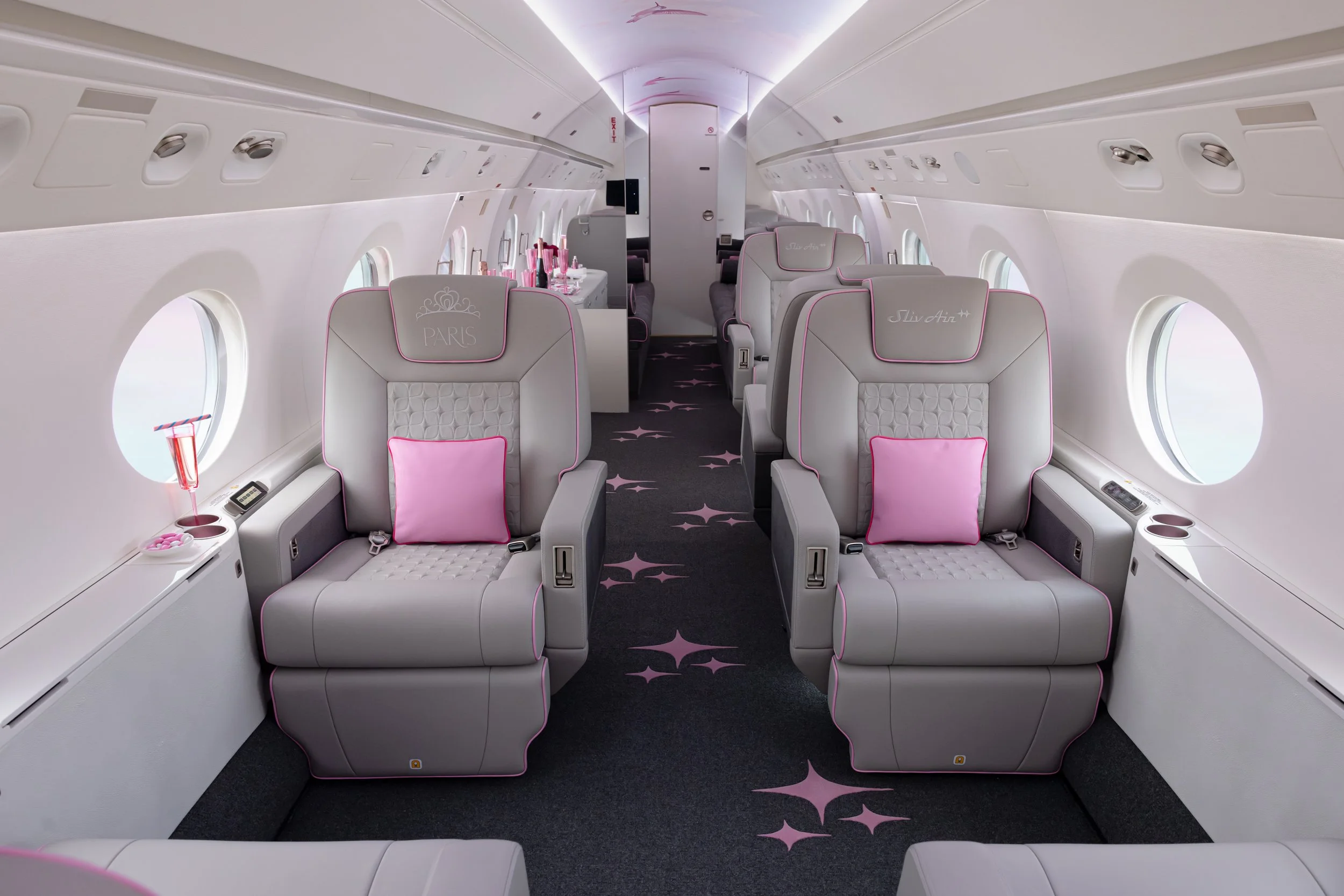
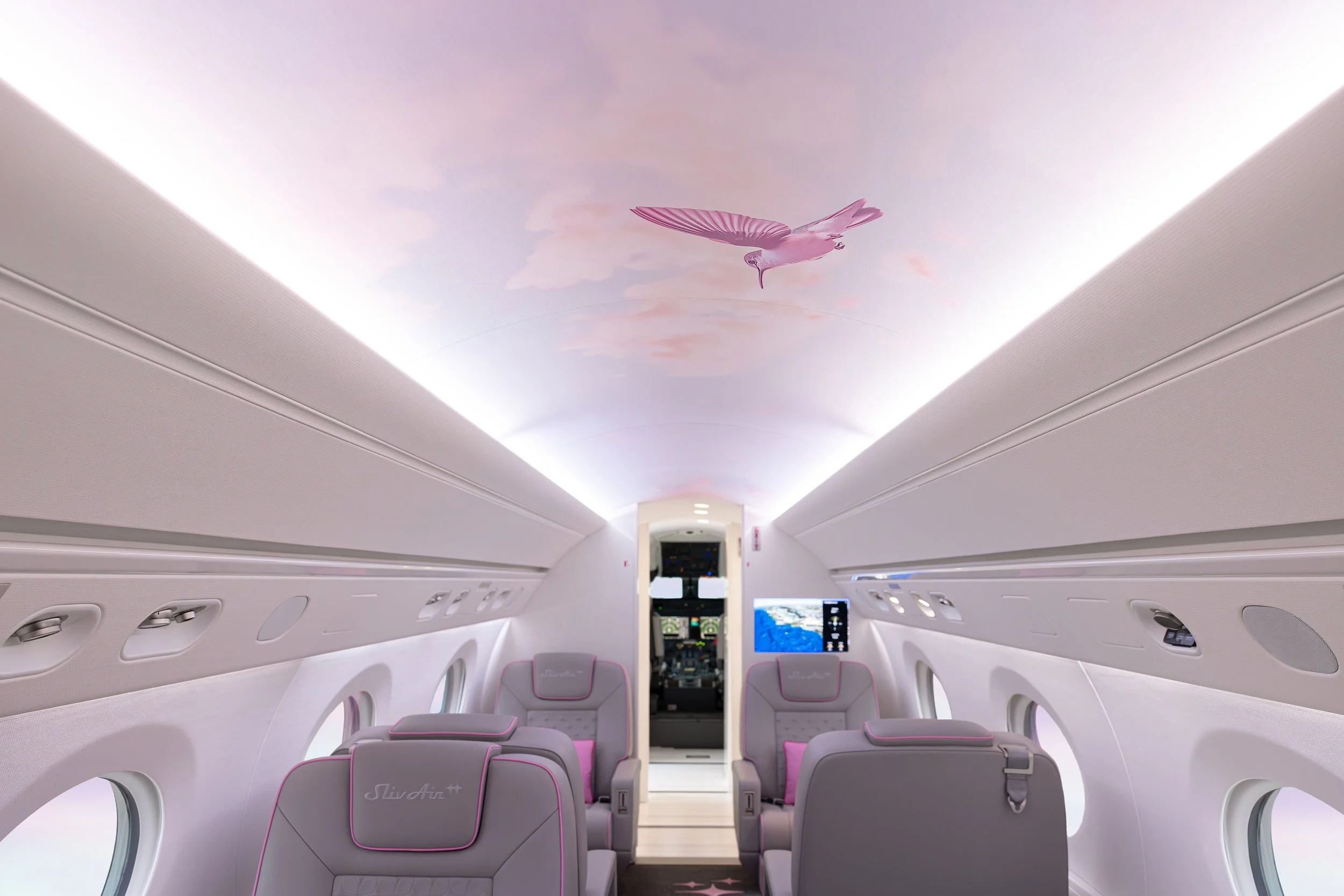
The true defense against ground-handling exposure is crystallized during the final milestones of an aircraft transformation: the execution of completion contracts, rigorous aircraft outfitting, and the final process of acceptance and delivery. A true luxury innovator in aviation recognizes that a flawless delivery depends entirely on continuous asset protection. By systematically eradicating procedural drift on the ground, Sarah Larranaga ensures that when a bespoke asset finally rolls out of the completion center, it is delivered to the principal in structurally perfect, flight-ready condition.