
Sustainable Aviation
It is widely acknowledged that the luxury industry has become increasingly environmentally conscious in recent years, and the private aviation sector has a particularly key role to play. As leading private jet designers continue to balance performance, aesthetics, and responsibility, sustainable aviation has become an essential part of aircraft design and engineering discussions.
Sarah Larranaga explores how a large number of different innovations are key to reducing emissions in aircraft and how we can look to continue to establish that footprint within a long-term decarbonization strategy.
Utilizing a sustainable design philosophy encourages decisions at each phase of the design process that reduce negative impacts on the environment and the health of occupants, without compromising quality or aesthetic integrity. As sustainability moves to the forefront of the conversation, aircraft interiors must increasingly be designed with a mindset of biomimetics, conviviality, durability, and efficiency.



GREEN MATERIALS IN AVIATION DESIGN
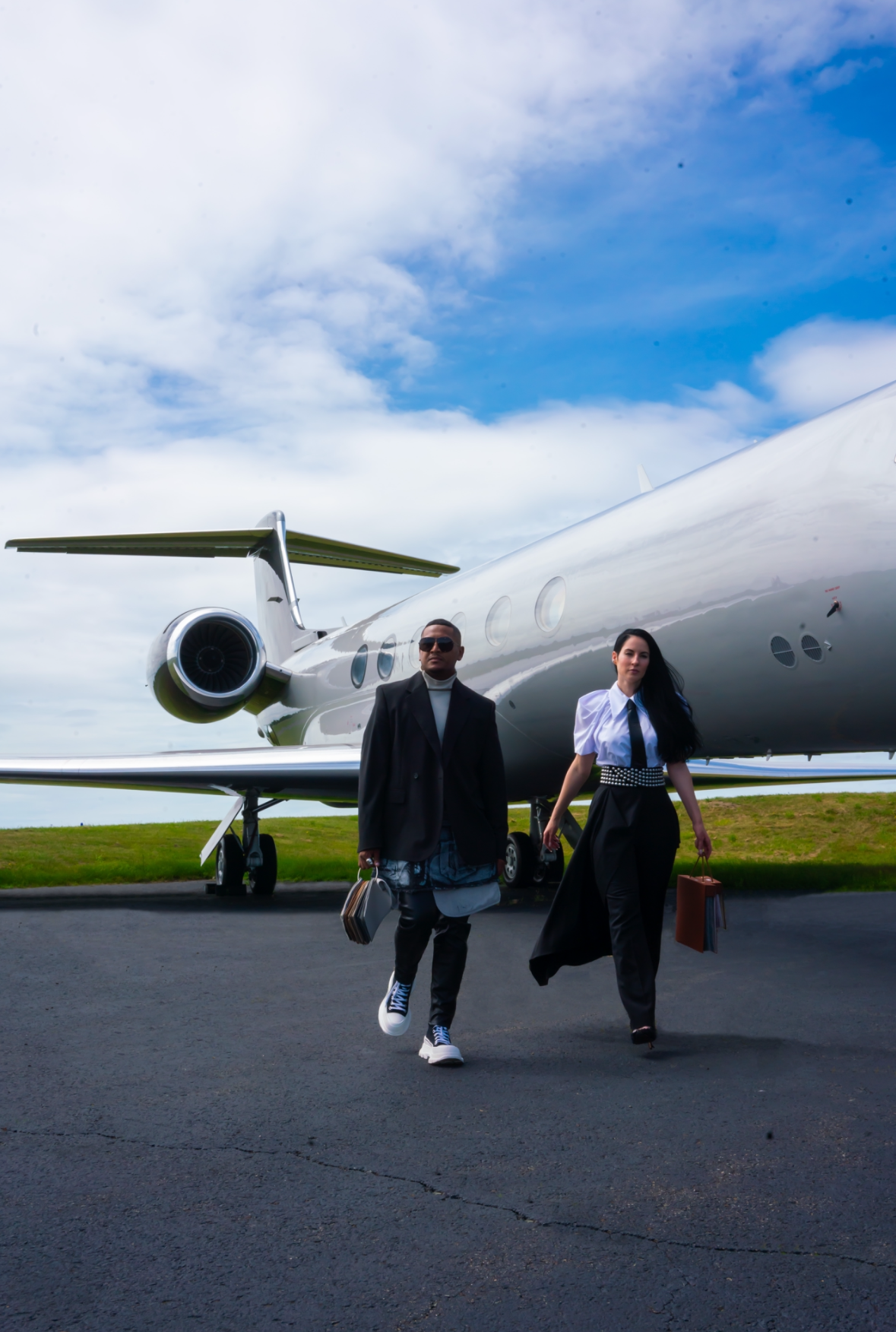
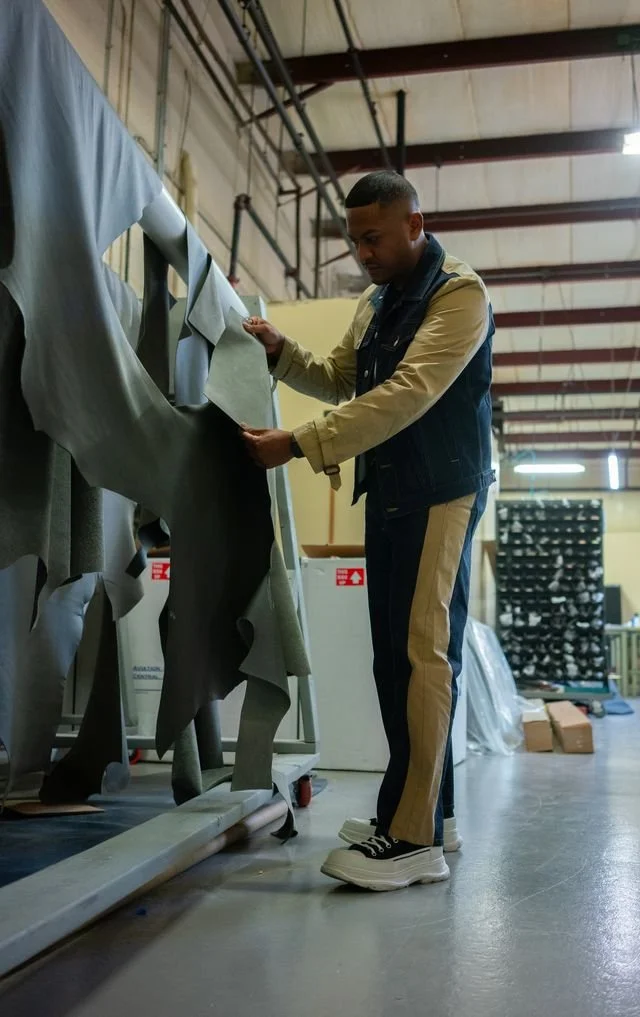
Sarah Larranaga finds that building with eco-friendly materials and finishes is a strong way to contribute to sustainability responsibility and carbon off-setting within private aviation. By sourcing materials from manufacturers committed to responsible production—and by selecting design materials engineered for longevity—private jet designers can reduce lifecycle impact while maintaining the highest standards of craftsmanship.
Within Bombardier Global 5000 custom interiors, as well as other long-range and ultra-long-range platforms, natural and innovative materials are increasingly being explored. These include carpeting and solid flooring made from natural materials such as Mylo, derived from mycelium, along with durable alternatives like Forager Hides from Ecovative Design.
There no longer needs to be a debate between luxury and sustainability. Luxury is already becoming environmentally conscious, and this philosophy continues to shape private aviation projects across aircraft platforms including Gulfstream G650 private jet design, Gulfstream G550, Gulfstream G700, Global 6500, Global 7500, Falcon 7X, Falcon 8X, Falcon 10X, as well as Boeing, Airbus, and Bell Helicopter. Eco-friendly materials add unique character and a layer of authentic importance, reinforcing sustainability without compromise. These materials have already established a presence within high-end fashion and architecture and are increasingly playing a role in the future of private aviation design.